
9 Signs of a Clean Nail Salon You Can Spot Fast
A clean nail salon is defined by observable sterilization practices, single-use disposable tools, and properly maintained workstations that together prevent bacterial, fungal, and viral infections. Knowing the signs of a clean nail salon before you book protects you from real health risks. The 2026 National Standard Blueprint for Safety, Sanitation, and Infection Control in Nail Technology sets the professional bar, and the checklist below translates those standards into what you can see, smell, and ask about the moment you walk through the door.
1. Visible signs of clean nail salon sterilization equipment
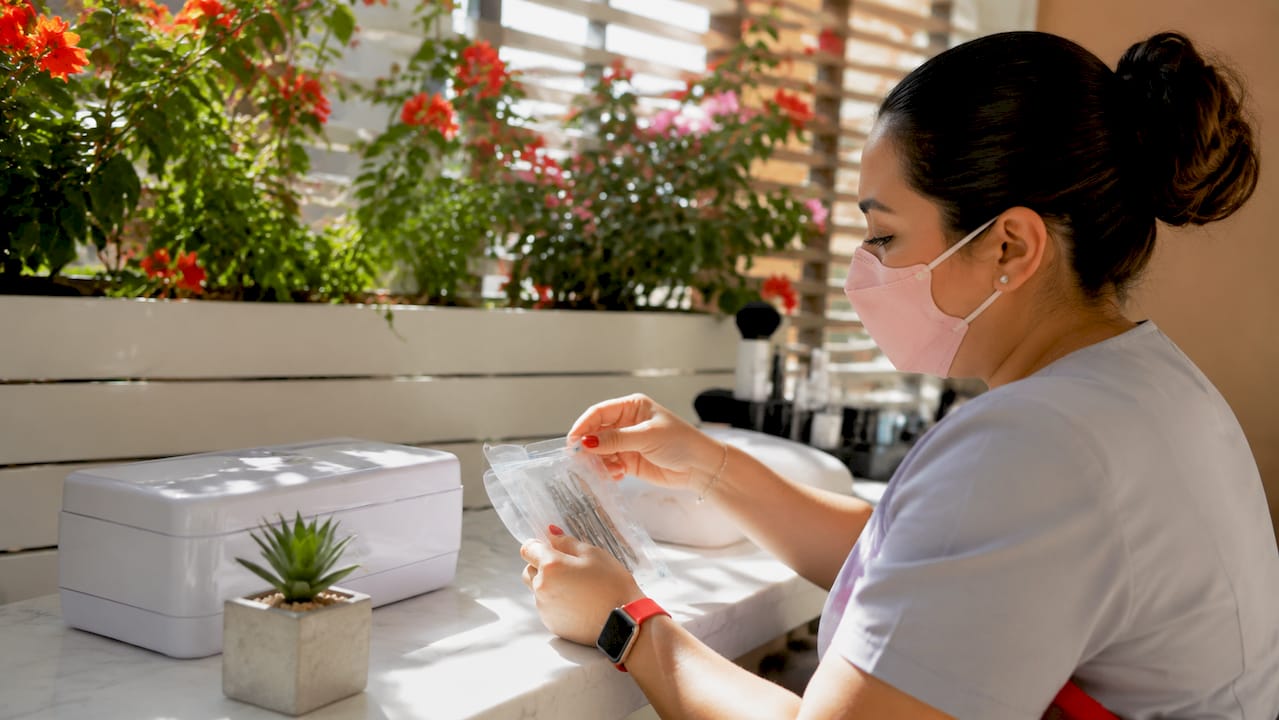
Autoclaves are the gold standard for sterilizing metal instruments and the only clinically approved method that eliminates bacteria, spores, and viruses completely. A reputable salon will have one on display or will show it to you on request. This matters because many salons substitute UV light boxes, which look professional but do not kill bacteria or spores at depth and are insufficient on their own.
Beyond the autoclave itself, look for tools sealed in individual pouches with color-changing indicator strips. Those strips turn a specific shade only after the autoclave cycle reaches the correct temperature and pressure. If tools arrive at your station loose in a drawer or in an open container, that is a red flag regardless of how clean the salon looks otherwise.
Tools stored in labeled “clean” and “dirty” containers
Sealed sterilization pouches with visible indicator strips
Autoclave unit visible or available to inspect on request
No UV box presented as the sole sterilization method
Pro Tip: Ask the technician to open your sealed tool pouch in front of you. Any hesitation or inability to do so is a clear signal to reconsider your appointment.
2. Single-use disposable items opened fresh for each client
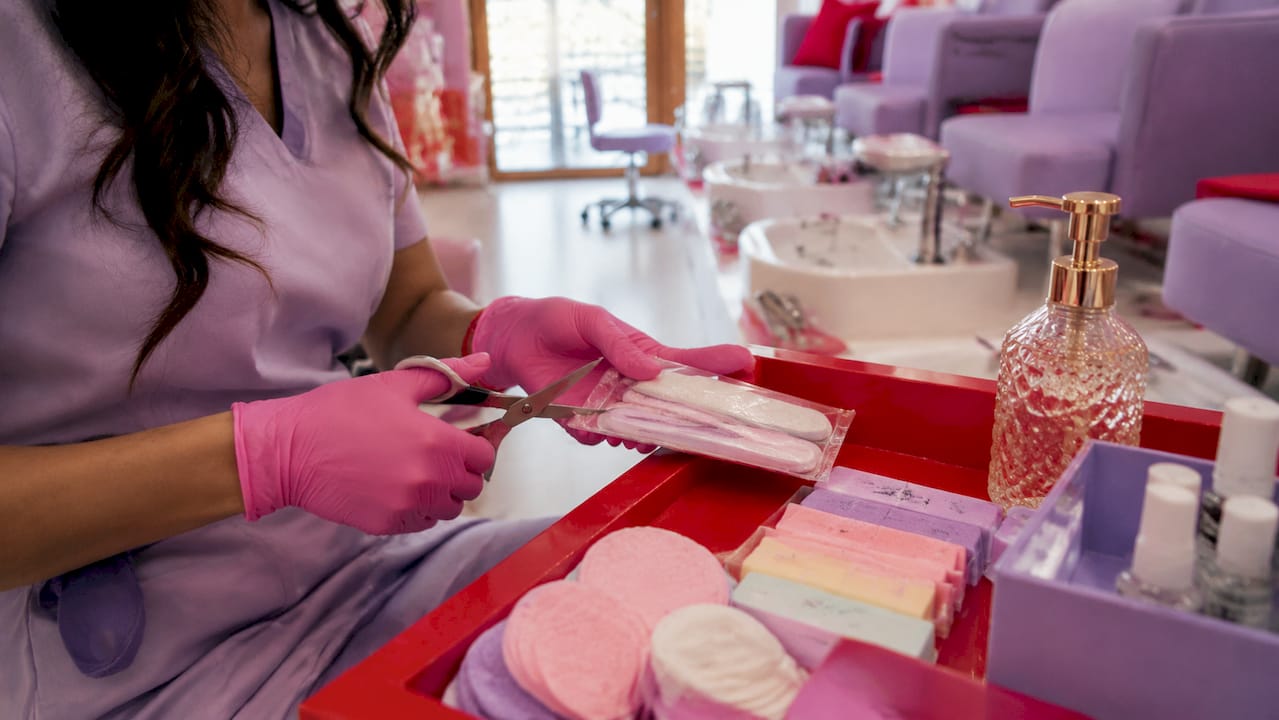
Porous items like nail files and buffers cannot be fully disinfected between clients. Single-use disposable files and buffers must be discarded after every appointment to prevent cross-contamination. Reusing them transfers skin cells, oils, and potentially infectious material directly from one client to the next.
The signs that disposables are genuinely new are straightforward. A fresh file has no visible wear, no discoloration, and ideally arrives in individual packaging. If you see a technician pull a file from a shared bin or reuse one that shows obvious wear, that salon is cutting corners on your safety. Bacterial infections can appear within one to three days after a service, and fungal infections develop over weeks, meaning you may not connect the cause to the salon visit without knowing what to watch for.
Nail files and buffers in individual sealed packaging
Technician discards used files and buffers after your service
No shared bins of loose, previously used abrasive tools
Orange sticks, toe separators, and pumice stones are also single-use
3. Pedicure basin hygiene you can observe directly
Pipeless pedicure basins reduce biofilm buildup and bacterial growth compared to conventional jetted basins, making them the safer choice. Jetted basins have internal pipes that trap water and organic material between clients, creating a breeding ground for bacteria like Mycobacterium fortuitum, which causes skin infections. A salon using pipeless basins or disposable plastic liners is making a deliberate investment in your safety.
Watch what happens between clients. A properly cleaned basin is drained completely, scrubbed with an EPA-registered disinfectant, and refilled before the next client sits down. Pedicure logs must be signed and up-to-date for each station to prove routine disinfection is followed. You can ask to see the log. A salon confident in its practices will show you without hesitation.
Pro Tip: Arrive a few minutes early and watch how the technician handles the station before your appointment. The reset process tells you more than any review online.
What to check | What a clean salon does |
Basin type | Pipeless or fitted with disposable liner |
Cleaning between clients | Drained, scrubbed, disinfected, refilled |
Disinfectant used | EPA-registered product, visibly applied |
Cleaning log | Signed, current, available on request |
4. Effective ventilation and air quality
Strong chemical smells far from workstations indicate poor ventilation, which increases inhalation hazards for both clients and technicians. Acrylic monomers, acetone, and nail dust are all respiratory irritants at sustained exposure levels. A well-ventilated salon controls these at the source rather than masking them with air fresheners.
Source-capture ventilation pulls fumes and dust down and away at the manicure table itself, before they reach breathing height. You can perform a simple smoke or dust test by watching how quickly airborne particles near the table are drawn toward the air intake. If particles drift freely around the room, the ventilation system is not doing its job. A faint chemical smell near the workstation is normal. A strong smell that hits you at the front door is not.
5. Technician hand hygiene and pre-service protocols
A trustworthy nail technician washes hands or applies sanitizer before touching your hands or feet, every single time. This is not optional courtesy. It is a professional pre-service standard that separates trained professionals from undertrained staff. Gloves are worn when working around open skin, broken cuticles, or any visible irritation.
Signs of reputable nail salon technicians also include a brief inspection of your nails and skin before starting. A professional checks for signs of infection, cuts, or inflammation and will decline service if they spot anything that could worsen with treatment. Skipping this inspection is a sign of poor professional integrity, not efficiency.
Hands washed or sanitized before every service
Gloves worn when working near broken skin
Pre-service nail and skin inspection performed
Technician does not proceed if infection signs are visible
6. Clean workstations and visible licensing
The workstation itself communicates a salon’s standards before a single tool is picked up. Surfaces should be wiped down with an EPA-registered disinfectant between every client, with fresh linens or paper table covers in place. Proper changeover includes disposing of used files and buffers, replacing linens, and resetting the station completely. A cluttered table with product residue from the previous client is a direct indicator of rushed or skipped sanitation.
Licensing is equally telling. Visible licenses for both the salon and individual technicians confirm compliance with state regulations and professional training requirements. In Florida, the Department of Business and Professional Regulation requires all nail technicians to hold a current cosmetology or specialty license. Licenses should be current and displayed prominently. If you cannot find them on the wall, ask. A reputable salon will point you to them immediately. You can also cross-reference Florida DBPR records online to verify license status before you book.
7. Transparency when you ask direct questions
Clients benefit from salons that openly share their sterilization processes. Evasive or defensive answers to basic hygiene questions are major warning signs. A confident, well-run salon treats your questions as proof of an informed client, not an inconvenience.
These are the questions worth asking before or during your appointment. Does the salon use an autoclave for metal tools? How are pedicure basins cleaned between clients? Are nail files and buffers single-use? What disinfectant is used on surfaces? A knowledgeable technician answers these without hesitation and may even explain product options to protect your nail health during removal and aftercare. Vague answers, subject changes, or visible irritation at the questions tell you everything you need to know.
8. Client reviews that mention hygiene specifically
Generic five-star reviews that say “great service” tell you very little about cleanliness. Reviews that specifically mention sterilized tools, clean stations, or staff hygiene practices are far more useful when you are trying to compare nail salons in your area. Look for patterns across multiple reviews rather than relying on a single comment.
Red flags in reviews include mentions of infections after visits, tools that appeared reused, or staff who seemed rushed during the setup process. Google Reviews, Yelp, and Facebook all allow clients to describe specific experiences. Searching the salon name alongside terms like “infection,” “dirty,” or “reused tools” takes less than two minutes and can save you a real health problem.
9. The overall smell and visual impression at the door
Your first impression walking into a salon is a legitimate data point. A clean nail spa smells faintly of product near the work areas and nothing stronger elsewhere. Floors are swept, product bottles are organized, and trash bins are not overflowing. These details reflect the same discipline that shows up in sterilization and tool handling.
A nail salon visit checklist covers both the visible and the askable. Trust your instincts when something feels off. If the front of the salon looks neglected, the back is unlikely to be held to a higher standard.
Key takeaways
A clean nail salon is identified by autoclave sterilization, single-use disposables, pipeless basins, source-capture ventilation, and licensed, transparent staff who perform pre-service inspections without exception.
Point | Details |
Autoclave sterilization | UV boxes alone are insufficient; only autoclaves fully eliminate bacteria and spores. |
Single-use disposables | Files and buffers must be discarded after every client to prevent cross-contamination. |
Pedicure basin hygiene | Pipeless or lined basins drained and disinfected between clients reduce infection risk. |
Technician transparency | Evasive answers to hygiene questions are a direct red flag; confident salons answer openly. |
Visible licensing | Current state licenses displayed for both the salon and each technician confirm professional compliance. |
What working in beauty has taught me about salon hygiene
The most common cleanliness lapse I see is not dramatic. It is not a visibly dirty basin or obviously reused tools. It is the rushed reset. A technician who skips wiping the table, reuses a buffer because it “looks fine,” or skips the hand wash between clients because the next appointment is already waiting. These small shortcuts are where infections actually come from, and they are nearly invisible unless you know what to look for.
My honest advice: prioritize hygiene over price every time. A $15 pedicure at a salon that reuses porous tools is not a deal. It is a gamble. The cost of treating a nail fungal infection, which can take months of antifungal medication to resolve, far exceeds any savings at the chair.
Ask your questions before you sit down. A salon that earns your trust will welcome them. One that gets defensive has already answered your question. And if you are in the Bradenton area and want to see what a genuinely clean, well-run salon looks like in practice, Bradentonnails is worth a visit. The standards are visible from the moment you walk in.
— MinhHieu
Experience clean nail care at Bradentonnails in Bradenton
Bradentonnails at TJ Nails Salon and Spa in Bradenton, FL meets the 2026 cleanliness standards outlined in this article. The salon uses autoclave sterilization for metal instruments, single-use disposable files and buffers for every client, and EPA-registered disinfectants on all surfaces between appointments. Technicians are licensed, transparent about their processes, and trained to perform pre-service inspections before every service.
If you are ready to book a safe manicure or pedicure with a team that takes hygiene as seriously as nail artistry, Bradentonnails offers flexible hours including Sundays and online booking for your convenience. Your safety is not an afterthought here. It is the starting point.
FAQ
What are the top signs of a clean nail salon?
The clearest signs include autoclave-sterilized tools in sealed pouches, single-use nail files and buffers, pipeless or lined pedicure basins, source-capture ventilation, and current licenses displayed for both the salon and technicians.
Are UV light boxes enough to sterilize nail tools?
No. UV light boxes do not kill bacteria or spores at depth and are insufficient for sterilization on their own. Autoclaves using steam pressure are the only clinically approved method for complete tool sterilization.
How soon after a nail service can an infection appear?
Bacterial infections can appear within one to three days after a service. Fungal infections develop over several weeks, and viral warts are transmitted through unsterilized tools with no immediate symptoms.
What questions should I ask to identify a trustworthy nail technician?
Ask whether the salon uses an autoclave, how pedicure basins are cleaned between clients, and whether files and buffers are single-use. A knowledgeable technician answers these questions directly and without hesitation.
Can I check a nail salon’s license before booking?
Yes. In Florida, you can verify salon and technician licenses through the Department of Business and Professional Regulation’s online database before your appointment. Licenses should also be displayed prominently inside the salon for public viewing.
Recommended
Comments