
Fix Lifting Acrylic Nails Within Days: Salon Triage and When to See a Doctor
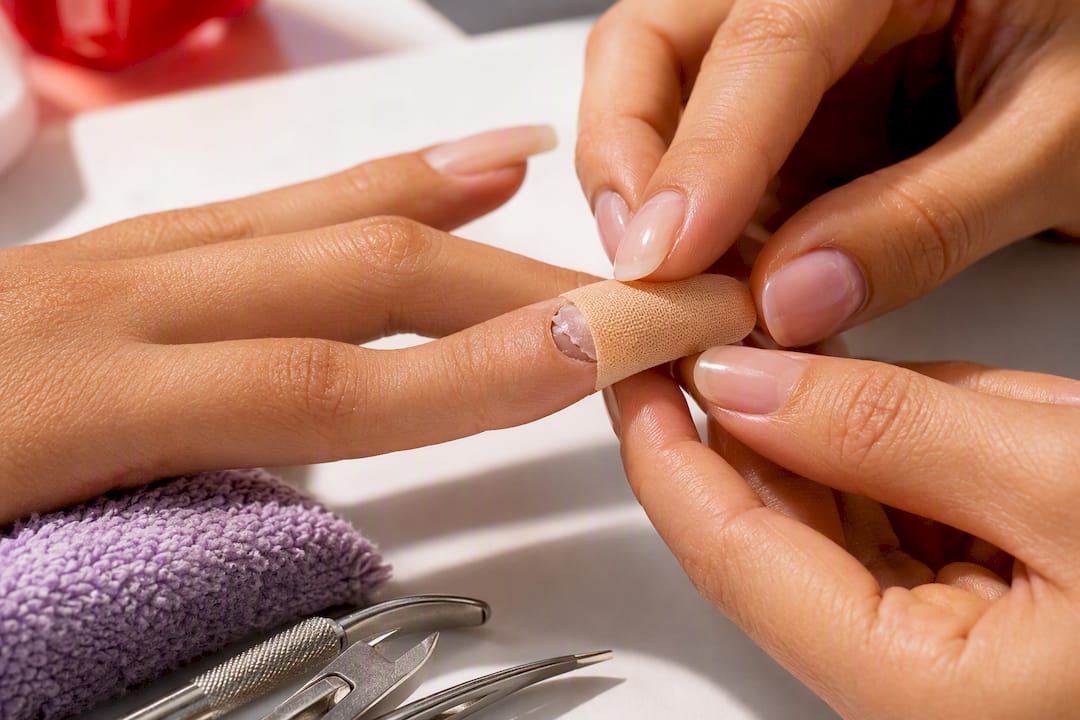
If your acrylic is lifting, don’t pry, pick, or glue it back down. Keep the area clean and dry, snap a photo of the lift, and book a professional repair within a few days. Skip that step, and head to a doctor instead if you see redness, swelling, pus, or a foul smell.
TL;DR:
Poor nail preparation, contamination, or product touching the skin are common, preventable causes that lead to early lifts within a few days.
Lifts occurring weeks later are typically due to impact, long extensions, or chemical exposure, not application errors.
Avoid household glues or attempting to fix lifts at home, as they trap moisture and risk infection or allergic reactions.
Promptly photograph, clean, file, and temporarily stabilize the lift, then book a professional repair within a few days for best results.
Signs of infection such as redness, pus, or pain require immediate medical consultation before any salon repair.
Table of Contents
Why Do Acrylic Nails Lift in the First Place?
Lifting almost always starts with one of a handful of preventable mistakes, not bad luck. The acrylic bond can actually exceed the natural nail’s own adhesion strength, which is exactly why the enhancement pulls away from the plate instead of staying put under stress, according to Cleveland Clinic’s overview of onycholysis.
Here’s what typically causes it:
Contaminated or oily nail prep. Any trace of lotion, oil, or moisture left on the plate before application stops the product from bonding properly.
Product touching skin or cuticle. Acrylic applied too close to the cuticle creates a weak seal at the exact spot where flexing happens most.
Over-filing the natural plate. Aggressive buffing thins the nail and can trigger traumatic onycholysis, where the plate separates from the bed underneath.
Wrong liquid-to-powder ratio. A mix that’s too wet or too dry cures unevenly and loses strength at the edges first.
Long, rigid extensions. Extra length means extra leverage every time you open a car door or type on a keyboard, and that repeated torque works the lift loose from the free edge inward.
Water and chemical exposure. Dishwashing, hot showers, and cleaning products soften the bond over time, especially without gloves.
Where the lift starts tells you a lot. A lift that shows up near the cuticle within a day or two usually points to prep or contamination. A lift that starts at the free edge weeks into wear is almost always a maintenance or impact issue, not an application error, based on OSHA’s breakdown of nail salon chemical hazards.
What to Do (and Not Do) When Acrylic Nails Pop Off
A partially lifted acrylic is a stability problem, not an emergency, as long as you handle it calmly. Follow these steps before you do anything else.
Photograph the nail immediately. Take a close shot before you touch it. This helps a technician figure out whether it’s an application issue or wear and tear.
Clean and dry the area. Wash gently with mild soap, pat dry, and avoid soaking the hand in water for the next few hours.
Smooth any snagging edge. Use a fine-grit file to gently round off a rough or sharp lifted edge so it stops catching on fabric or hair.
Stabilize temporarily if needed. A small piece of medical tape or a fabric bandage wrapped snugly around the lifted section can hold it in place until your appointment.
Book a repair within a few days. Don’t wear a partially lifted acrylic for weeks. The longer it flaps, the more trauma it does to the nail bed underneath.
What you should never do: reach for household glue or a cyanoacrylate superglue. It traps moisture underneath the lifted section, which sets up ideal conditions for bacterial or fungal growth, and it can trigger a genuine allergic reaction in some people, according to research on contact dermatitis linked to nail adhesives. Picking or clipping the lifted piece off yourself risks tearing live tissue away with it.
Pro Tip: If the lifted section is loose but not painful, cover it with a soft adhesive bandage overnight instead of tape. It breathes better and won’t leave sticky residue when your technician removes it.
Stop any home fix immediately if you notice exposed nail bed, bleeding, or sharp pain. That’s no longer a cosmetic issue.
Salon Repair or Doctor’s Visit: How to Decide
A small, isolated lift with no pain and no discoloration is a salon job. A lift paired with any of the following needs a medical opinion first:
Redness or warmth spreading around the nail fold
Pus, discharge, or a noticeably foul odor
Throbbing pain rather than mild tenderness
A history of diabetes or a weakened immune system, which raises infection risk
These signs typically point to paronychia or a fungal infection rather than a simple mechanical lift, according to Mayo Clinic’s guidance on nail fungus. A responsible technician will inspect the natural plate for thinning, discoloration, or moisture trapped underneath before doing anything, and a good salon will refuse to seal a new enhancement over nail tissue that already looks compromised.
Fully replaced natural nails take roughly six months to grow out from the base, per Cleveland Clinic’s onycholysis overview linked above. Salon repair fixes the enhancement. It doesn’t reverse existing plate damage. That’s a distinction worth understanding before you decide how urgent your fix really is.
How to Prevent Acrylic Nails From Lifting Again
Most repeat lifting comes down to timing and habits, not bad luck with a particular set. Getting ahead of the schedule matters more than almost anything else.
Book fills regularly before the gap becomes wide. Waiting too long puts more stress on the weakest part of the bond.
Keep length reasonable. Shorter acrylics flex less and put less leverage on the natural nail during everyday tasks.
Wear gloves for wet or chemical work. Dishwashing liquid and cleaning products break down adhesive over time.
Moisturize your cuticles daily, but keep oil away from the nail plate itself right before a fill.
Stop using your nails as tools. Opening cans, scraping labels, and picking at zippers are the fastest way to pop a corner loose.
Rotating to soak-off gel, dip powder, or a shorter acrylic set for a cycle or two gives the natural nail a chance to recover if you notice recurring lifts in the same spot. The American Academy of Dermatology’s manicure safety guidance backs gloves, timely fills, and avoiding enhancement over damaged tissue as the core prevention steps that actually hold up.
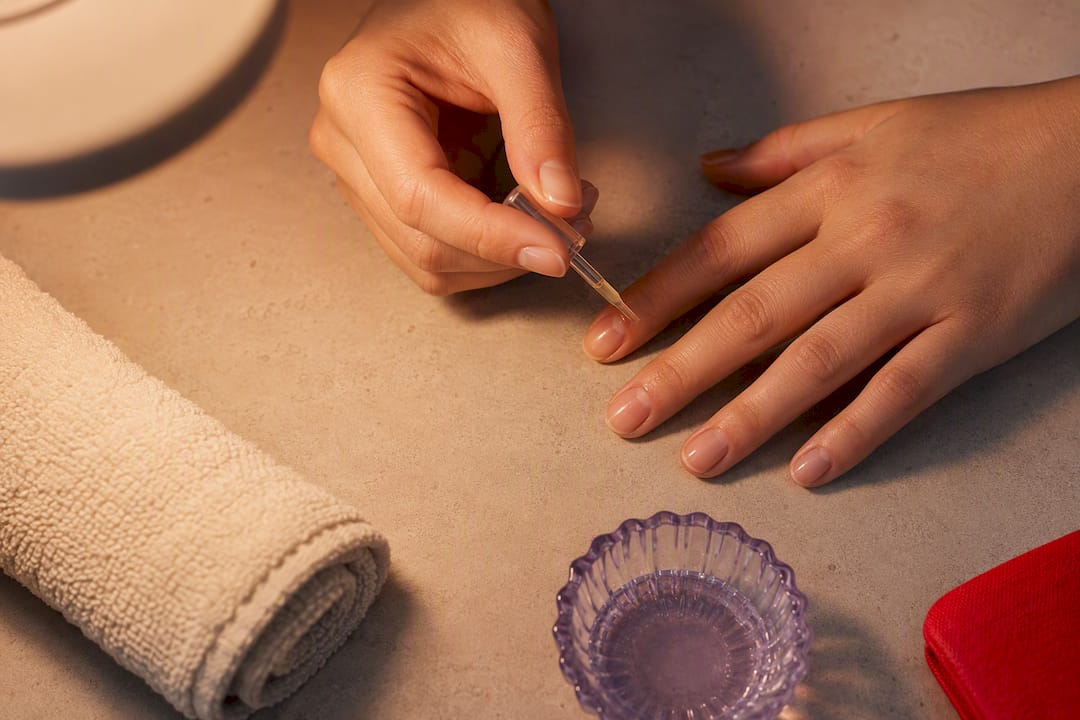
Pro Tip: A cuticle oil with jojoba or vitamin E, applied nightly, keeps the skin around your nails flexible enough to resist small tears that turn into bigger lifts later. Palinova’s nail oil guide covers a few worth keeping on hand.
What to Tell Your Technician About a Lifted Nail
A repair goes faster and safer when you walk in with specifics instead of just showing a lifted nail and shrugging. Before your appointment:
Note exactly when the lift started and which edge (cuticle side or free edge) came up first.
Mention any recent impact, heavy water exposure, or new products you’ve used on your hands.
Bring the photo you took before touching the nail; it shows the technician the original shape and severity.
Expect a proper technician to check the natural plate for thinning or moisture before deciding how much product to remove.
A responsible salon will never seal a fresh coat of acrylic over tissue that still looks compromised. Read our safe acrylic removal techniques guide before your visit if you want to understand what a full removal actually involves.
A Salon’s Take on Fixing Lifting the Right Way
Every technician has seen a client try to glue a lifted corner back down between appointments. It never ends well. The nail underneath still needs air and inspection, and covering a problem doesn’t solve it. The better habit is simple: treat a lift as information, not an inconvenience, and let a professional look at what’s actually happening before deciding how to fix it. Open communication with your technician, honestly describing when and how it started, gets you a better repair than any home fix ever will.
— MinhHieu
Book a Repair Instead of Risking Further Damage
Nail salons fix lifting the way it should be fixed: by inspecting the natural nail first, not by slapping a new coat over a problem. If you’re dealing with a lifted acrylic in the Bradenton area, an Acrylic Fill addresses a small lift and extends the life of your current set, while a full Acrylic Full Set makes more sense once the damage is widespread or the enhancement needs a complete redo.

Bring the photo you took when the lift first appeared and be ready to describe when it started. That single detail helps our technicians decide whether a fill will hold or whether the set needs to come off entirely. If picking at home has already left the nail rough or thin, our guide on removing acrylic or gel nails without breakage explains what a safe removal actually looks like before your visit. Book your repair appointment online and get the lift assessed properly instead of guessing at home.
Where This Guidance Comes From
Medical and safety claims in this article draw from established clinical and occupational sources.
American Academy of Dermatology — Manicure Safety
This article is general information, not a substitute for advice from a qualified doctor. Consult a qualified healthcare professional about your own circumstances before acting on anything here.
Sources
FAQ
What should I do if my acrylic nails are lifting?
Don’t pry, pick, or glue the lifted section. Clean and dry the area, photograph it, and book a professional fill or repair within a few days unless you notice redness, pus, or pain, in which case see a doctor first.
Is it normal for acrylic nails to lift after two weeks?
Some minor lifting around two to three weeks is common as your natural nail grows out and the gap widens. Significant lifting that early usually points to prep issues, contamination, or product touching the skin during application, and it’s worth flagging to your technician.
What do I do if my acrylic nail lifted and damaged my real nail?
Stop wearing that set and get it professionally removed rather than continuing to wear or repair it. If the nail bed looks thin, discolored, or painful underneath, that’s a sign of traumatic onycholysis and worth a medical check before your next enhancement.
Why do my acrylic nails look like they’re lifting when they might just have air bubbles?
Small white gaps or debris near the edge can look like lifting but sometimes signal trapped moisture or early fungal growth instead. Any discoloration, odor, or tenderness should push you toward getting it checked rather than assuming it’s cosmetic.
How often should I get fills to avoid lifting?
Every 2 to 3 weeks is the standard maintenance window most salons recommend, including Bradentonnails’ acrylic services. Waiting longer increases stress on the weakest part of the bond and raises your odds of a lift before your next appointment.
Recommended
Comments