
Bradenton Callus Removal: Medical Pedicures Every 1–4 Weeks
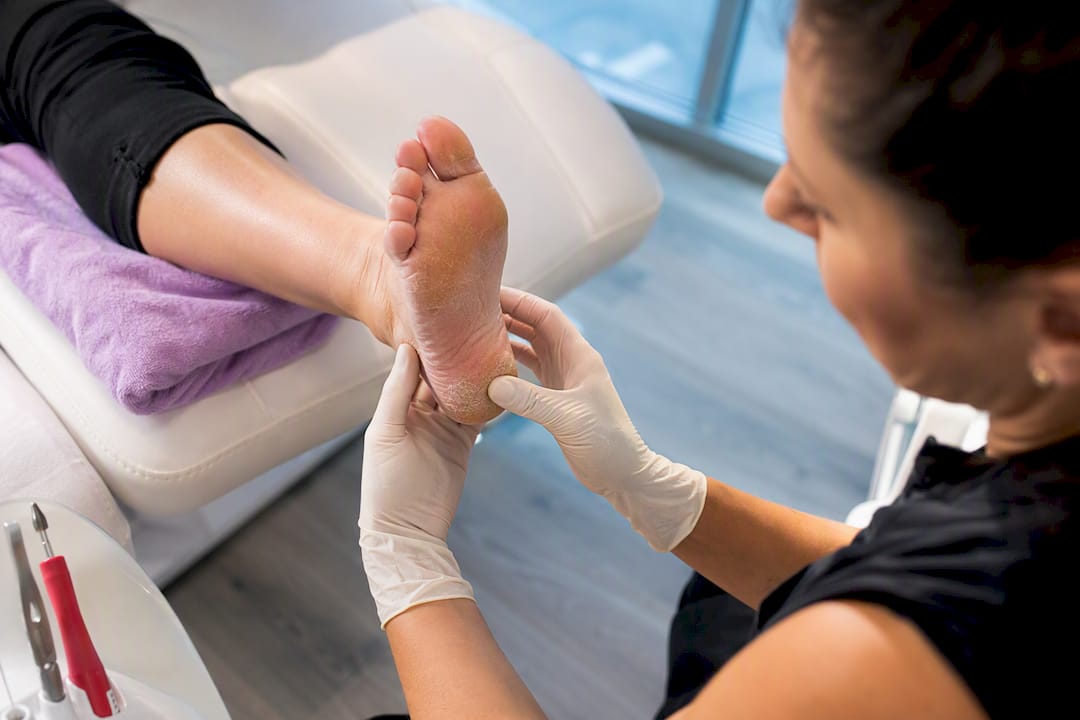
Yes, a pedicure can remove a callus, but which kind of pedicure matters more than most people realize. Routine, cosmetic calluses respond well to a standard salon pedicure with proper sanitation. Persistent, painful, or thick calluses, and anyone with diabetes, neuropathy, or poor circulation, need a medical pedicure or a podiatrist instead. If you fall into that higher-risk group, book with a clinical provider; if not, a clean, reputable salon appointment will do the job.
TL;DR:
Medical pedicures provide thorough health assessments and use sterile instruments, making them safer for high-risk individuals with diabetes or circulation issues.
Routine salon pedicures are suitable for healthy adults with mild, cosmetic calluses but lack the medical screening and sterilization protocols of clinical treatments.
Callus removal in a medical setting involves careful soaking, controlled paring, and finishing with professional tools like podiatry-grade sanders, reducing injury risks.
High-risk patients should undergo scheduled debridement every one to four weeks, with prompt attention to signs of infection or worsening symptoms indicating urgent podiatric care.
Preventing callus recurrence relies on proper footwear, pressure redistribution, daily moisturization, and avoiding at-home paring if health conditions increase injury risk.
Table of Contents
Medical Pedicure vs. Salon Pedicure: What Changes the Outcome
A medical pedicure, sometimes called a medi-pedi, is a health-focused treatment performed by a licensed professional in a controlled clinical setting like those described by the medical aesthetic and spa experts at THE “MEDICAL” SOCIETY | Bloom Society. It leans on autoclaved or single-use instruments and typically starts with a foot assessment, not just a soak and polish. The provider checks circulation, skin integrity, and nerve sensation before touching a single callus.
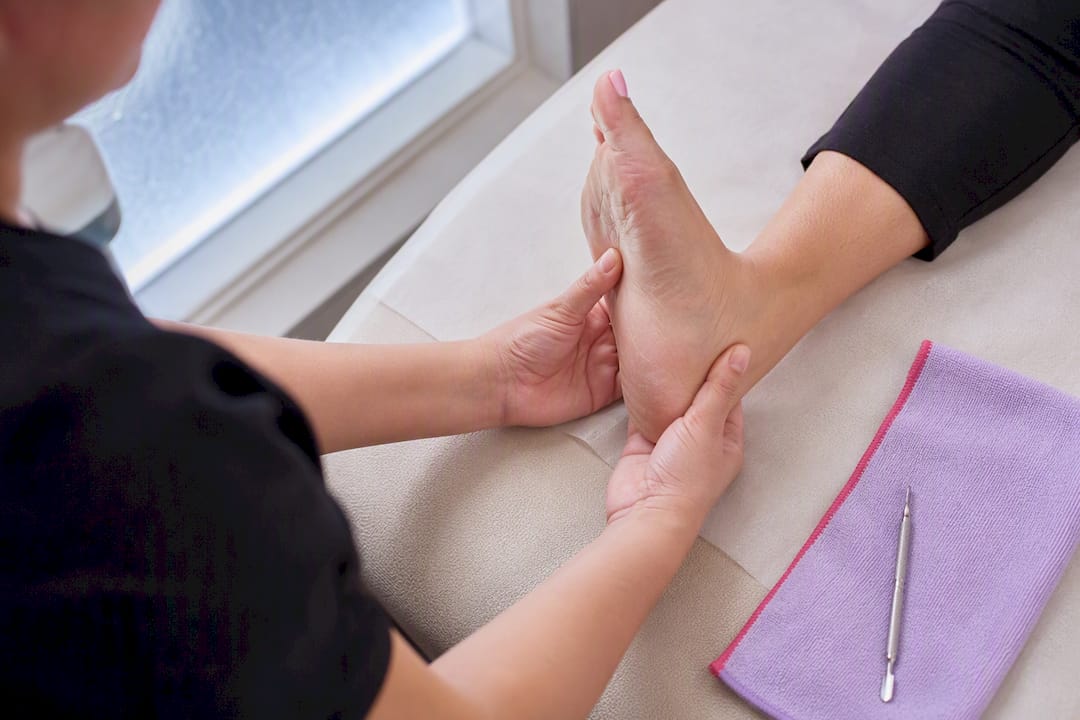
A salon pedicure has a different job. It’s built around appearance and relaxation, and for most healthy adults, that’s plenty. The scope is narrower, though: pumice stones, foot files, and shared foot baths are standard, and while good salons sanitize thoroughly between clients, the depth of screening you get in a medical setting simply isn’t part of the service.
The real dividing line is sterilization and training. Clinics generally follow stricter infection control protocols than a typical nail salon, and the providers are trained to recognize skin issues a cosmetologist isn’t licensed to diagnose. That gap shows up in pricing too:
Clinic visits cost more because they involve podiatric-grade equipment, licensed medical staff, and sometimes billable procedure codes.
Salon pedicures cost less because the service is cosmetic and the equipment overhead is lower.
Insurance sometimes applies to clinical debridement when it’s medically necessary, which almost never happens with a salon visit.
Choosing between them isn’t about which one is “better.” It’s about matching the service to your actual risk profile.
How Pros Remove or Reduce Calluses Step by Step
Professional callus reduction, done correctly, follows a controlled sequence rather than a single aggressive pass. Here’s roughly what happens during a proper appointment:
Assessment. The technician or clinician looks at the callus, checks surrounding skin, and asks about pain, diabetes, or circulation issues.
Soak and soften. A warm soak loosens the thickened skin so it can be reduced without excessive pressure.
Measured reduction. In a clinical setting, this often means sharp paring in small, controlled increments, which is safer than heavy grinding when a trained provider does it because they can stop at healthy tissue.
Smoothing. Electric burrs or podiatry-grade sanding tools finish the surface; salons more often rely on pumice or foot rasps, which work but demand more passes and carry a higher risk of over-filing.
Aftercare. A sterile dressing goes on if the skin was thinned significantly, followed by moisturizing instructions.
One tool you want to watch for is the Credo blade, a razor-style instrument once common in salons. It’s restricted or banned in several states, largely because it can cause deep cuts that go unnoticed in people with reduced nerve sensation. Clinics favor controlled paring or mechanical sanding instead, precisely because those methods don’t carry the same risk of a sudden slip.
Pro Tip: Ask upfront what instrument will be used on your calluses. A provider who can name their tool and explain why they use it is almost always the safer choice.
Safety, Risks, and Who Should Avoid Salon Callus Removal
The biggest risks in callus removal are micro-tears, infection, and, in the worst cases, ulceration. Those risks aren’t evenly distributed. For someone with healthy circulation and normal nerve sensation, a small nick heals on its own. For someone with diabetes or peripheral neuropathy, the same nick can go unnoticed, get infected, and progress quickly.
That’s why trained providers run a few checks before they touch a blade:
Sensory testing to see if nerve sensation is diminished
Pulse checks in the foot to flag circulation problems
A look at skin color, temperature, and any existing wounds
For high-risk patients, scheduled sharp debridement every one to four weeks is a common clinical approach, timed to how fast the callus rebuilds and how much pressure the area takes. That interval isn’t arbitrary. It reduces the chance that thickened tissue hides a developing wound underneath.
If you notice redness spreading past a callus, drainage, unusual warmth, or numbness in the area, that’s not a pedicure problem anymore. That’s a podiatry visit, and it shouldn’t wait for your next scheduled appointment.
Aftercare and Preventing Recurrence
Calluses come back because the pressure that caused them didn’t go anywhere. Removing the thick skin without fixing the mechanics behind it, poor shoe fit, an uneven gait, a bone that sits a little too prominently, just means you’ll be back in the chair in a few months.
A few habits actually move the needle:
Fix the fit first. Shoes that are too narrow or too loose create friction and pressure that thick skin is trying to protect against.
Consider insoles or metatarsal pads. These redistribute pressure away from problem spots without any cutting at all.
Moisturize daily. Urea or salicylic acid creams soften buildup between visits, though anyone with diabetes or neuropathy should check with a podiatrist before using keratolytic creams.
Skip the home paring kit if you’re high-risk. A razor at your kitchen table is a very different risk than a trained hand in a clinical setting.
Track what’s changing. If a callus thickens faster between visits, that’s worth mentioning at your next appointment, not ignoring until it hurts.
Pro Tip: If you’re on your feet all day for work, footwear built for active feet matters more than any pedicure schedule. Fix the shoe, and the callus problem often shrinks on its own.
Our Approach to Safe Callus Care
Callus care should be treated as a health question first, not just a cosmetic one. Every pedicure should start with a look at the skin and a conversation about anything that might change how the appointment is approached, including circulation or diabetes concerns. Our workflow stays conservative: gentle reduction, sanitized tools, and clear aftercare guidance before you leave the chair.
We’re upfront about our limits, too. Routine calluses, dry heels, and general foot maintenance are exactly what we handle well. Anything that looks like a wound, an infection, or a case that needs sharp clinical debridement gets a referral to a podiatrist, because that’s the safer call for you.
— MinhHieu
Book a Safe Pedicure for Callus Care at TJ Nails
A nail salon in Bradenton offers a straightforward option for routine callus care: a clean, professional setting where the technician asks about your health before reaching for a file. That’s a meaningful difference from a rushed walk-in appointment where nobody checks your circulation or history first.

If you have diabetes, neuropathy, or any circulation concerns, tell us when you book. We’ll talk through whether a standard pedicure is the right fit or whether a podiatry referral makes more sense first. For everyone else, our pedicure services cover callus reduction, smoothing, and the aftercare tips to keep results lasting longer between visits. Bring a list of any medications or conditions worth mentioning, wear shoes you can slip off easily, and if SNS dip powder is on your list too, our SNS dipping services pair well with the same visit. Book online and mention any foot concerns in the notes so we can prep the right tools before you arrive.
This article is general information, not a substitute for advice from a qualified doctor. Consult a qualified healthcare professional about your own circumstances before acting on anything here.
Sources
FAQ
Can a Pedicure Get Rid of a Callus?
Yes, for routine cosmetic calluses, a standard pedicure with proper sanitation can reduce or remove them. Thicker, painful, or recurring calluses respond better to a medical pedicure or podiatric debridement.
How Much Is a Callus Removal Pedicure?
Pricing varies by provider and region; salon pedicures with callus care tend to cost less than clinical medical pedicures, which involve licensed staff and podiatric-grade equipment. Contact your provider directly for current rates.
What Pedicure Is Best for Calluses?
A medical pedicure is the safer choice for anyone with diabetes, neuropathy, or poor circulation, since it includes health screening and sterile instruments. A clean salon pedicure works well for otherwise healthy feet with mild, routine calluses.
What Dissolves Hard Calluses?
Urea and salicylic acid based creams soften and gradually reduce hard calluses between professional visits. Anyone with diabetes or neuropathy should check with a podiatrist before using these products at home.
Recommended
Comments