
Heal Cracked Heels: Pedicure and 3 Step Home Protocol in Bradenton
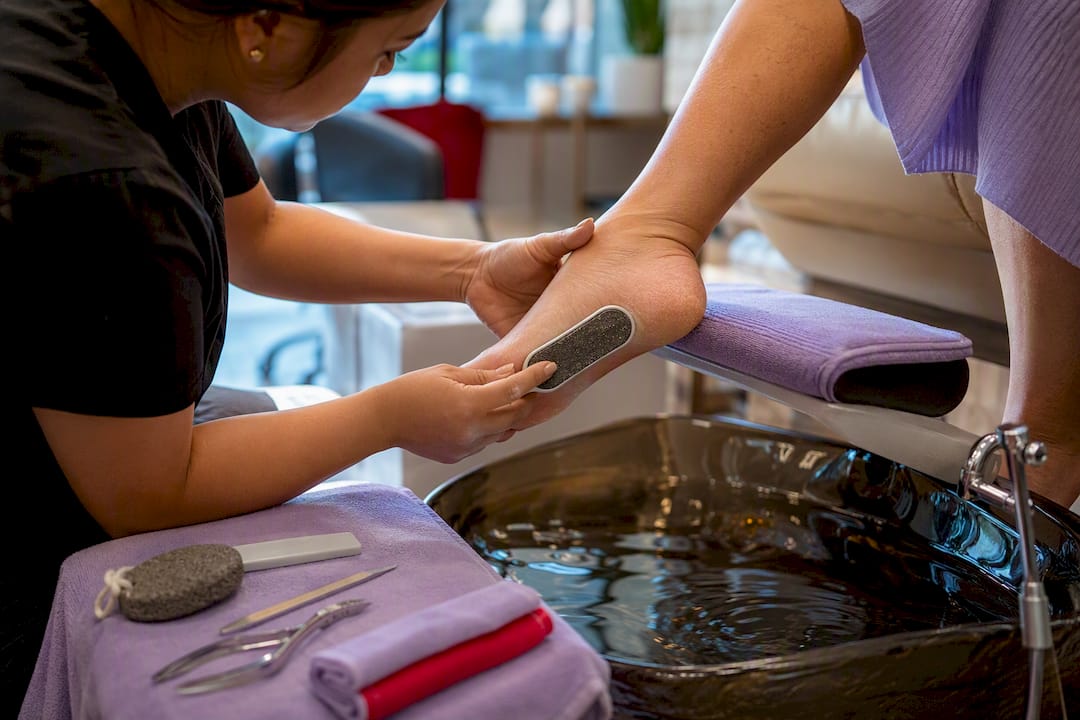
Yes, a targeted professional pedicure can significantly improve cracked heels when it pairs safe callus reduction with a keratolytic and occlusion home plan. Salons that soften skin, debride gently, and send you home with the right cream close most Grade 1–2 fissures within a few weeks. The exception is anyone with bleeding fissures, visible infection, or a condition like diabetes or neuropathy, who should see a clinician before booking anything.
TL;DR:
Professional debridement accurately removes thick or bleeding callus tissue, especially for deep fissures or if underlying health issues like diabetes are present.
The safest pedicure approach involves cautious callus reduction, keratolytic application, and sealing in moisture through occlusion, with at least 15 to 30 minutes of service time.
Home aftercare should focus on soaking, gentle filing, and overnight occlusion with urea or salicylic acid products to maintain results and prevent recurrence.
Salons should screen for wounds, infection, or health conditions before performing callus work, and refer clients with concerning signs to healthcare professionals.
Visible healing typically occurs within three weeks when the protocol is followed consistently, but ongoing maintenance and proper footwear are essential for long-term health.
Table of Contents
What Does a Cracked-Heels Pedicure Actually Do?
The skin around a cracked heel is thick, dehydrated callus that has lost its flexibility. A pedicure works on that tissue in layers, not all at once.
A warm soak comes first, softening the outer callus so the next steps don’t tear or gouge dry skin. Mechanical reduction follows, using a pumice stone or foot file for mild buildup, or professional debridement with a callus blade for thicker plaques. That second option matters because a podiatrist-supervised debridement removes dead tissue precisely, without the guesswork of a home file.
After debridement, technicians apply a chemical keratolytic, usually urea, an alpha hydroxy acid, or salicylic acid, to break down remaining dead cells and pull moisture into the skin. Paraffin dips or petroleum-based occlusion seal that moisture in.
The risks show up when any of these steps get rushed:
Over-exfoliation strips the skin barrier and can make callus grow back thicker, so caution is advised.
Reused or poorly sterilized files and blades raise infection risk, especially on already broken skin.
Skipping the moisturizing step after debridement leaves skin more exposed than before the pedicure started.
Which Pedicure Type Actually Fixes Cracked Heels?
Not every pedicure on the menu treats fissures the same way. The right pick depends on how deep the cracks are and whether you have any underlying health issues.
Classic pedicure with gentle callus care works for mild dryness and rough patches without visible splits. It’s mostly cosmetic smoothing, useful for maintenance rather than repair.
Paraffin wax treatment delivers deep, temporary hydration. It feels great and softens skin fast, but the effect fades within days, so treat it as an add-on to a keratolytic routine, not a stand-alone fix.
Heel peel or chemical exfoliation uses stronger acid concentrations for real keratolysis. Expect some peeling and downtime afterward. It’s a solid choice for thick callus when there’s no underlying skin disease, but it’s overkill for mild dryness.
Medical pedicure or podiatry debridement is the fastest, safest route for thick, deep, or bleeding fissures, and it’s the right call for anyone with diabetes or circulation problems. A trained provider can debride precisely without creating new wounds, something professional debridement does more reliably than a salon file.
Pro Tip: Before booking, ask yourself three questions: How deep are the cracks, do you have a health condition that affects healing, and does the salon or technician sterilize instruments between clients? Your answers point you to the right service faster than any menu description.
What Happens During a Professional Cracked-Heels Pedicure?
A good technician starts before your feet ever touch water. Expect a short screening conversation: any open wounds, diabetes, circulation issues, or recent injuries should come up here, not after the file is already out.
The treatment itself follows a fairly consistent sequence:
A warm soak of a few minutes to soften callus and open the skin for safe exfoliation.
Visual assessment of fissure depth, redness, or signs the skin has already broken.
Gentle debridement, either pumice for light buildup or a more targeted tool for thicker callus.
A keratolytic cream or gel applied to remaining rough patches, followed by moisturizer.
Paraffin dip or occlusive wrap if the service includes it, sealing in hydration before rinse-off.
Finishing care, often a lighter moisturizer and sometimes polish if you want it.
A standard cracked-heel-focused pedicure runs longer than a basic polish change, often adding 15 to 30 minutes for the extra soak and debridement time. Add-ons like paraffin or a heel peel typically cost more than a classic service. Before you sit down, ask your technician how they sterilize tools between clients, how aggressively they plan to debride your specific callus, and what product they’d recommend for home follow-up. Technicians who answer these clearly are usually the ones who know what they’re doing.
The 3-Step Aftercare Protocol That Locks In Results
A pedicure buys you a clean slate. What you do in the following days decides whether the cracks stay closed or reopen within a week.
The protocol clinicians recommend has three steps, and it isn’t complicated:
Soften. Soak feet in warm water for 5 to 15 minutes. This rehydrates the outer skin layer and preps it for the next step.
Reduce. While skin is still soft, use a pumice stone or foot file gently. No sawing motion, no repeated passes over the same spot.
Treat and seal. Apply a cream containing urea, salicylic acid, or an alpha hydroxy acid, then cover with petroleum jelly and cotton socks overnight.
Timing matters more than people expect. The American Academy of Dermatology recommends applying moisturizer within 5 minutes of bathing, while skin is still slightly damp, since that’s when absorption is highest. The Academy also advises limiting showers or baths to 5 to 10 minutes, since longer soaks can actually dry skin out further by stripping natural oils.
On ingredient strength: start lower if your skin is sensitive or the cracks are inflamed. A 10% urea cream is gentler than a 40% version, and stronger keratolytics can sting on broken skin. Overnight occlusion with a thick moisturizer and cotton socks is one of the simplest, most effective steps in this whole routine, since it traps moisture against skin for hours instead of minutes.
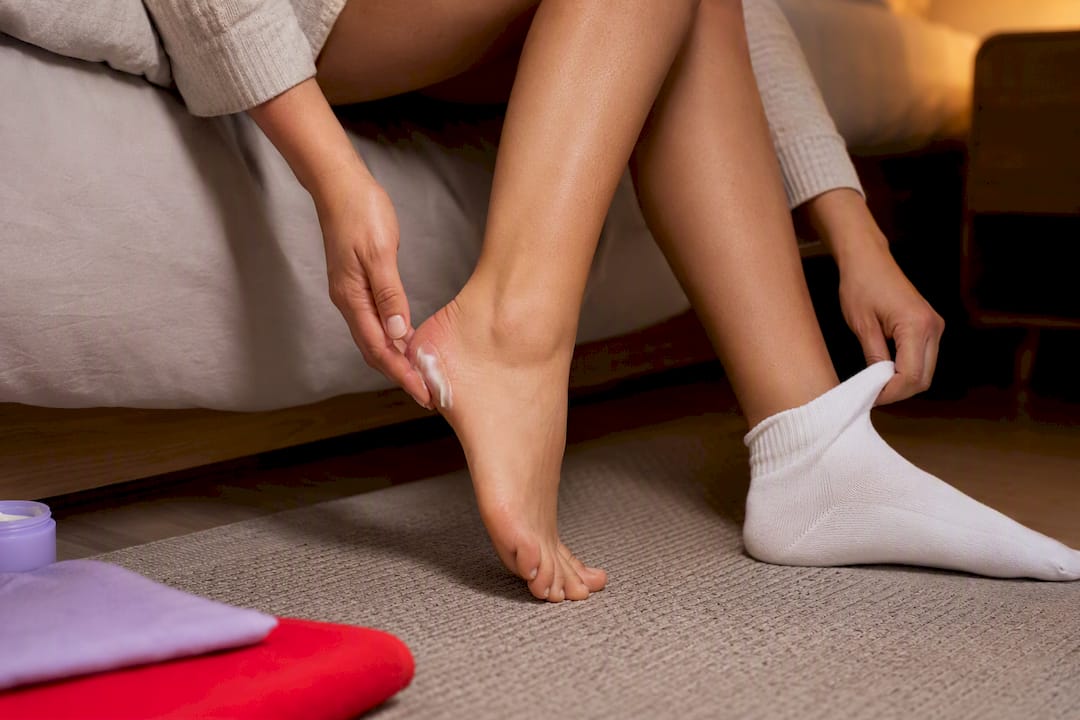
Most people following this protocol consistently see visible improvement within 7 to 21 days, based on the podiatry three-step framework of softening, debriding, and treating with urea followed by occlusion. Maintenance after that point means moisturizing daily, revisiting the pumice step two or three times a week, and booking a salon touch-up every four to six weeks if callus tends to build fast. Supportive, closed-back shoes also cut down on the friction that causes fissures in the first place.
When Should You Skip the Pedicure and See a Doctor?
Some situations call for a clinician, not a nail technician, no matter how gentle the salon is.
Watch for these red flags:
Bleeding fissures or any open wound
Discharge, spreading redness, or warmth around the crack
Severe pain, especially pain that worsens rather than improves
A diagnosis of diabetes, neuropathy, or peripheral vascular disease
Medical guidance is consistent here: professional evaluation is warranted whenever cracked heels show signs of infection, and anyone with diabetes or nerve or circulation issues should get any heel fissure checked by a professional promptly, since healing is slower and complications are more serious. A podiatrist or dermatologist can offer deeper debridement, prescription-strength urea, or wound care that a salon isn’t equipped to provide. In the meantime, a liquid bandage over a painful crack and a recommendation to see a provider is the responsible move for any salon encountering these signs.
How Bradentonnails Approaches Cracked-Heel Safety
Technicians should screen for wounds, diabetes, and circulation issues before any callus work begins, and refer out when something looks beyond a cosmetic fix. Services built around gentle callus care, paraffin hydration, and focused moisturizing align well with the dermatologist-backed protocol above.
A Technician’s Take on Realistic Healing
Aggressive shaving might look dramatic, but gentle, repeated care wins over time. Clients heal faster when they mention health conditions upfront and stick with maintenance, not just a one-time fix.
— MinhHieu
Book a Cracked-Heels Pedicure at Bradentonnails
Bradentonnails treats cracked heels the way the protocol above describes: soak, careful callus reduction, and hydration that actually seals in, not just a quick buff and polish. When you book, ask for the heel-focused service and mention any health conditions so your technician can adjust their approach before they touch a file.

At your appointment, expect a screening conversation, a proper soak, and debridement scaled to how deep your fissures actually are, not a one-size treatment. If your heels need more than cosmetic smoothing, the team can pair callus care with a paraffin add-on for extra hydration, similar to the approach used in a hot stone pedicure. For dip powder or SNS service alongside your pedicure, check the SNS dipping page for details. Ready to get your heels back in sandal shape? Book your pedicure online and let the team know your heel concerns when you schedule.
Sources
This article is general information, not a substitute for advice from a qualified doctor. Consult a qualified healthcare professional about your own circumstances before acting on anything here.
FAQ
Can I get a pedicure if my heels are cracked?
Yes, as long as there’s no bleeding, discharge, or infection. Mention any diabetes, neuropathy, or circulation issues to your technician before the service starts.
Can a pedicure help remove cracked heels?
A pedicure can significantly reduce callus and fissures through soaking, debridement, and keratolytic treatment, especially when followed by a home aftercare routine. It won’t permanently prevent recurrence without ongoing maintenance and moisturizing.
What kind of pedicure is best for dry, cracked feet?
For mild dryness, a classic pedicure with gentle callus care and paraffin hydration works well. For thick or deep fissures, a medical pedicure or podiatry debridement is the safer, faster option.
What is the fastest way to get rid of cracked heels?
The podiatry three-step protocol, soften with a soak, debride the callus, then apply urea 20 to 40% and occlude overnight, typically shows visible improvement within 7 to 21 days. Consistency with the nightly moisturizing and occlusion step matters more than any single salon visit.
Recommended
Comments