
48–72 Hours After Eyebrow Waxing: Clinician Approved Salon Care
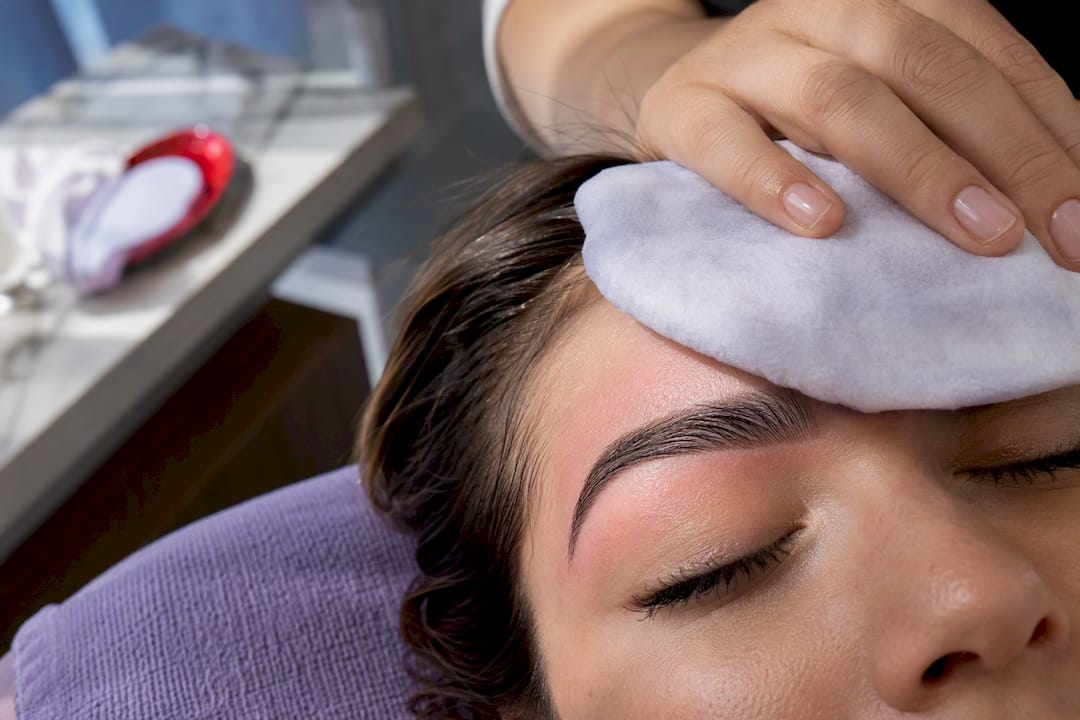
The most important eyebrow waxing aftercare rule is simple: keep the area clean, hands-off, and cool for the first 24 to 48 hours. Skip makeup, sweat, and sun exposure during that window. Soothe redness with a cool compress or a fragrance-free moisturizer, not a heavy oil. If you see pus, spreading redness, or blistering past 48 to 72 hours, call a dermatologist instead of waiting it out.
TL;DR:
Keeping the waxed area clean, cool, and hands-off for 48 hours is crucial to minimize irritation, infection risk, and dark spots.
Avoid makeup, heat, sweat, sun exposure, and exfoliation during the first 48 hours to protect open follicles and prevent ingrown hairs.
Use gentle, fragrance-free calming products like aloe vera or ceramide-based lotions, and limit heavy oils, retinoids, acids, or alcohol-based toners immediately after waxing.
Resume chemical exfoliants, actives, and makeup only after 48 to 72 hours once redness and irritation have fully subsided; physically scrubbing should wait a week.
Spot treat developing bumps with salicylic acid or tea tree oil, and seek professional advice immediately if redness spreads, pus forms, or severe pain occurs.
Table of Contents
The First 24 to 48 Hours: Step-by-Step Rules and Why They Matter
Soothing Products and Ingredients: What to Use and What to Avoid
When to Resume Exfoliation, Actives, and Makeup: A Safe Timetable
Warning Signs and When to See a Professional or Dermatologist
Quick Aftercare Checklist: Do’s and Don’ts You Can Screenshot
Why Trust This Guide: TJ Nails’ Practical Experience and Author Note
The First 24 to 48 Hours: Step-by-Step Rules and Why They Matter
Waxing pulls hair from the follicle, which leaves tiny openings in the skin that stay vulnerable for roughly the first 6 to 24 hours. That’s the peak sensitivity window. By hour 24 to 48, most people move into a recovery phase where redness fades and the risk of infection or pigment changes drops off substantially.
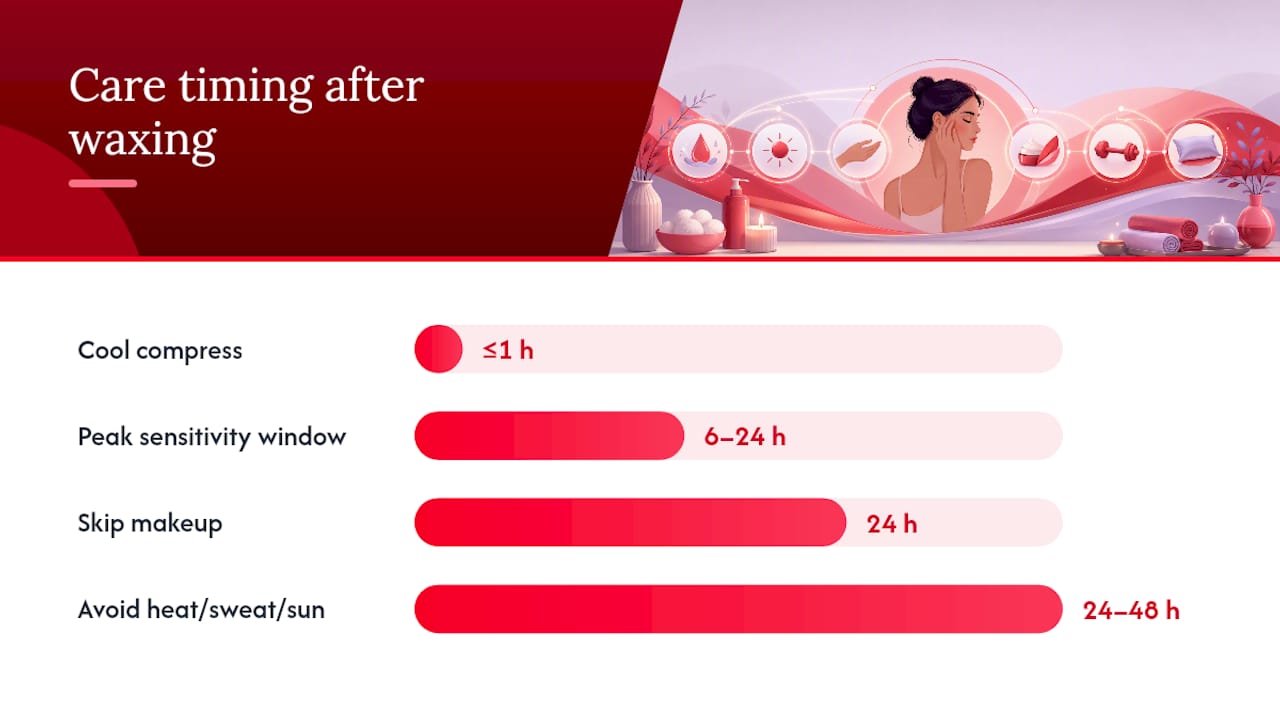
Dermatologists and estheticians consistently recommend avoiding heat, sweating, and sun exposure for at least 24 to 48 hours after waxing to cut down on irritation and the odds of dark spots forming where the skin was disturbed. That guidance shapes almost every rule below.
Here’s the practical breakdown for those first two days:
Apply a cool compress within the first hour if the area feels hot or tender. A clean, damp washcloth works fine.
Cleanse gently with lukewarm water only. Skip cleansers with fragrance or acids for now.
Keep your hands off your brows. Touching transfers bacteria and oil into open follicles, which is a fast track to breakouts.
Skip makeup for a full 24 hours. Foundation and brow pencils can clog freshly opened pores.
Avoid hot showers, steam rooms, and saunas for a period after waxing. Heat dilates blood vessels and makes redness and swelling worse.
Stay out of pools and skip intense workouts for some time after waxing. Chlorine and sweat both irritate raw skin and raise infection risk.
Don’t scrub or exfoliate the brow area. The skin is already dealing with one form of physical exfoliation from the wax itself.
Each rule ties back to the same goal: give the follicle time to close and calm down before you introduce anything that could inflame it further. Skip a step, and you’re more likely to end up with tiny bumps, ingrown hairs, or a patch of darker skin that takes weeks to fade.
Soothing Products and Ingredients: What to Use and What to Avoid
Your skin needs calming, not more stimulation, right after a wax. Chilled aloe vera gel is one of the simplest fixes. It cools the skin fast and doesn’t clog the follicle openings the way heavier products can.
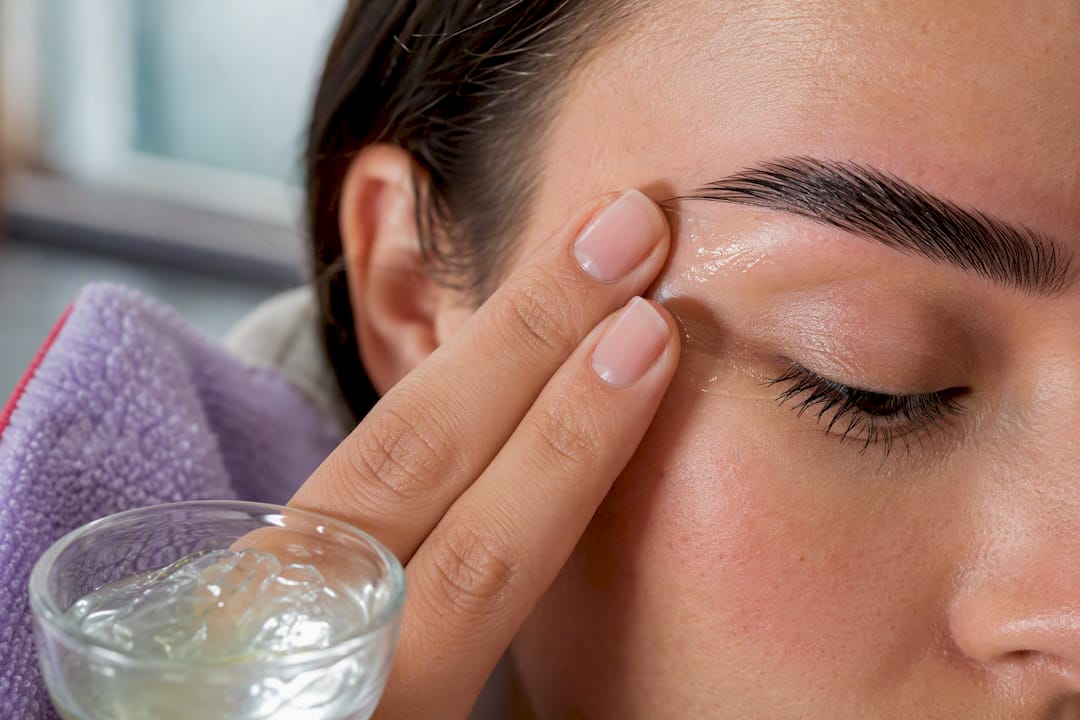
Fragrance-free lotions built around ceramides or hyaluronic acid help rebuild the skin barrier without adding irritation. If a small crack or dry patch shows up near the brow line, a thin layer of barrier ointment (think the kind used for chapped skin) can protect it while it heals.
Beauty and dermatology sources also point to short-term use of 1% hydrocortisone for redness that lingers past a few hours, along with topical antihistamine creams to quiet the histamine response that causes those small itchy bumps. Use hydrocortisone sparingly and only for a day or two. If redness doesn’t improve, that’s a signal to stop and reassess rather than keep applying it.
What to leave in the medicine cabinet for now:
Facial oils and heavy balms, which can sit on top of open follicles and trap bacteria
Retinoids of any strength
AHAs and BHAs, including your regular glycolic or salicylic acid toner
Alcohol-based toners or astringents
Anything with added fragrance or essential oils, which tend to sting freshly waxed skin
Pro Tip: Reach for gels and lightweight lotions over creams for the first two days. If your skin actually cracks, a heavier ointment is fine, but only at night so it doesn’t sit under makeup or sunscreen all day.
When to Resume Exfoliation, Actives, and Makeup: A Safe Timetable
Wait 48 to 72 hours before you touch exfoliation again. Waxing already strips away dead skin cells mechanically, and dermatology sources are clear that piling another exfoliating step on top too soon just compounds the irritation.
Physical scrubs need the longest break. Most guidance suggests holding off on any scrub with actual grit for about a week, since mechanical friction on freshly waxed skin is exactly what triggers ingrown hairs and micro tears. Chemical exfoliants are gentler by comparison, and a mild option like 2% salicylic acid can often go back into your routine at the 48 to 72 hour mark if the redness has fully calmed down.
Here’s how to bring everything back safely:
Patch-test first. Apply a small amount near, not directly on, the brow area and wait 24 hours.
Start with low frequency. Once every three days is plenty for a gentle chemical exfoliant at first.
Watch for redness or stinging. If either shows up, back off and wait a few more days.
Reintroduce retinoids last. They’re stronger than most exfoliating acids and deserve extra patience, often five to seven days beyond your chemical exfoliant timeline.
Wear sunscreen daily once actives are back in rotation. Freshly treated skin burns and pigments more easily.
Makeup can typically return once the 24 hour hands-off window passes, as long as the skin isn’t still visibly irritated.
Preventing Ingrown Hairs, Bumps, and Breakouts After Waxing
Consistent moisturizing does more than make your skin feel nice. Keeping the surface supple helps new hair emerge straight through the follicle instead of curling back under the skin, which is the root cause of most ingrown hairs.
Once redness has settled, usually by day three, a gentle chemical exfoliant helps clear the dead skin cells that can trap a growing hair. Salicylic acid is a common pick here because it penetrates oil and calms inflammation at the same time, working from inside the pore rather than just scraping the surface.
If a single bump shows up, a spot treatment with salicylic acid or a diluted tea tree product can help, but skip spot treatments on broken or actively inflamed skin. That’s when they sting instead of heal.
A few habits matter just as much as products:
Never pick at a bump. It almost always makes healing slower and raises the odds of a scar or dark mark.
Keep glasses, hats, and anything else that rubs against the brow area away from the skin for the first day or two.
Avoid tight headbands or anything creating friction near freshly waxed follicles.
Space appointments roughly three to four weeks apart so hair has time to grow to a length the wax can grip cleanly.
Estheticians frame daily moisturizing as one of the more reliable, low-effort ways to reduce ingrown hairs over time, simply because supple skin lets hair grow the way it’s supposed to.
Warning Signs and When to See a Professional or Dermatologist
Most redness and small bumps calm down within 24 to 48 hours. Anything that gets worse instead of better after that point is worth taking seriously.
Watch for these red flags:
Pus, yellow discharge, or redness that spreads outward past the 48 to 72 hour mark
Fever or chills that start after waxing
Severe pain that doesn’t ease with a cool compress
Blistering anywhere on the brow area
If any of these show up, stop applying products and gently cleanse the area with plain water. Don’t pop a blister; that opens the door to infection. For mild concerns, your original waxing provider can often tell you whether it’s a normal reaction. For fever, spreading redness, or blistering, skip the callback and get in with a dermatologist or urgent care instead.
Quick Aftercare Checklist: Do’s and Don’ts You Can Screenshot
Keep this nearby for the next time you book a brow appointment.
Do:
Apply a cool compress within the first hour if needed
Cleanse with lukewarm water only for the first day
Wait 24 hours before wearing makeup on the brow area
Wait 48 to 72 hours before resuming chemical exfoliation or actives
Moisturize daily with a fragrance-free, lightweight product
Don’t:
Touch or scratch the area
Sweat heavily, swim, or use a sauna for 24 to 48 hours
Expose the area to direct sun without protection
Apply oils, retinoids, or acids in the first 48 to 72 hours
Pick at any bumps that form
Timing | Action |
within the first hour | Cool compress if red or tender |
first 24 hours | No makeup, no touching, gentle cleansing only |
24 to 48 hours | Avoid heat, sun, sweat, and pools |
48 to 72 hours | Resume gentle chemical exfoliation if calm |
3 to 4 weeks | Book your next wax once hair has regrown enough to grip |
Why Trust This Guide: TJ Nails’ Practical Experience and Author Note
This guide pairs dermatologist and esthetician recommendations with the day-to-day reality of running a waxing service at TJ Nails Spa in Bradenton, where cleanliness and client comfort shape every appointment. Combining clinical guidance with what actually happens in the chair gives a fuller picture than either source alone. Author credentials and client experiences will be added as they become available.
What Most People Get Wrong About Waxing Recovery
The biggest misconception about eyebrow care after waxing isn’t about products. It’s about timing. People treat the first 48 hours as a formality, then wonder why they’re dealing with bumps or dark spots two weeks later. The research is consistent on this: the window right after waxing is when skin is most reactive, and almost every complication traces back to something applied or done too soon.
Conventional advice tends to overload readers with product lists, serums, oils, specific brands, when the actual leverage point is restraint. Do less for two days, and you avoid most of the problems people try to fix later with more products. That’s the part the industry undersells.
If you take one thing from this guide, prioritize the hands-off window before anything else. Products matter, but timing prevents the damage that products are later asked to repair.
— MinhHieu
Book Your Next Brow Wax With Confidence
A professional brow waxing appointment offers what a DIY routine can’t: a technician who checks your skin before the wax, not just after. Clean tools, careful assessment of brow growth, and consistent technique help reduce ingrown hairs and irritation from becoming recurring problems.

If you’re already following the aftercare steps above, the next smart move is getting the wax itself done right. TJ Nails Spa keeps its waxing services straightforward with flexible scheduling, including Sundays, so you’re not stuck rearranging your week around an appointment. Curious what a session actually costs before you book? Check the breakdown on eyebrow waxing pricing first. For deeper pigment concerns that linger after repeated waxing, a resource like this guide to fading dark spots is worth a look too. When you’re ready, book your next appointment directly through TJ Nails Spa and let a trained technician handle the rest.
Sources
Recommended
Comments