
Manicure vs Pedicure: Key Differences Explained
A manicure is defined as a professional grooming treatment for the hands and fingernails, while a pedicure focuses entirely on the feet and toenails. The difference between manicure and pedicure services goes beyond just location on the body. Each treatment uses different tools, follows a different process, and addresses different health concerns. Understanding what sets them apart helps you make smarter choices about your personal grooming routine, whether you’re booking your first salon visit or deciding which service to prioritize.
What is the difference between manicure and pedicure procedures?
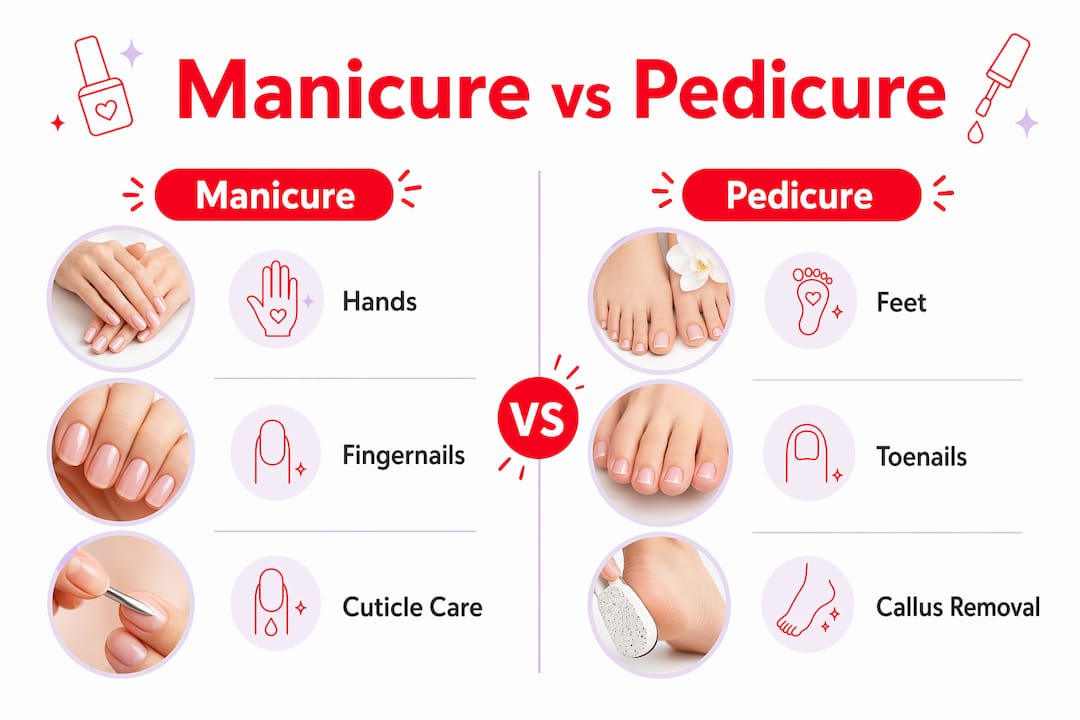
A manicure and pedicure share the same goal, which is healthy, clean, well-groomed nails, but they get there through very different steps. Manicures focus on clean, shaped, and polished fingernails along with the skin on your hands. Pedicures include foot soaking, callus reduction, exfoliation, and foot massages in addition to nail care. The tools differ too. Pedicures use foot files and scrubs, while manicures rely on buffers and hand massage techniques.
Manicure steps
A standard manicure follows this sequence: nail trimming, filing, cuticle care, buffing, hand moisturizing, and polish application. The entire process typically lasts 30–60 minutes. That shorter time reflects the focused, detail-driven nature of hand care. Gel and shellac manicures add curing time but follow the same core steps.
Pedicure steps
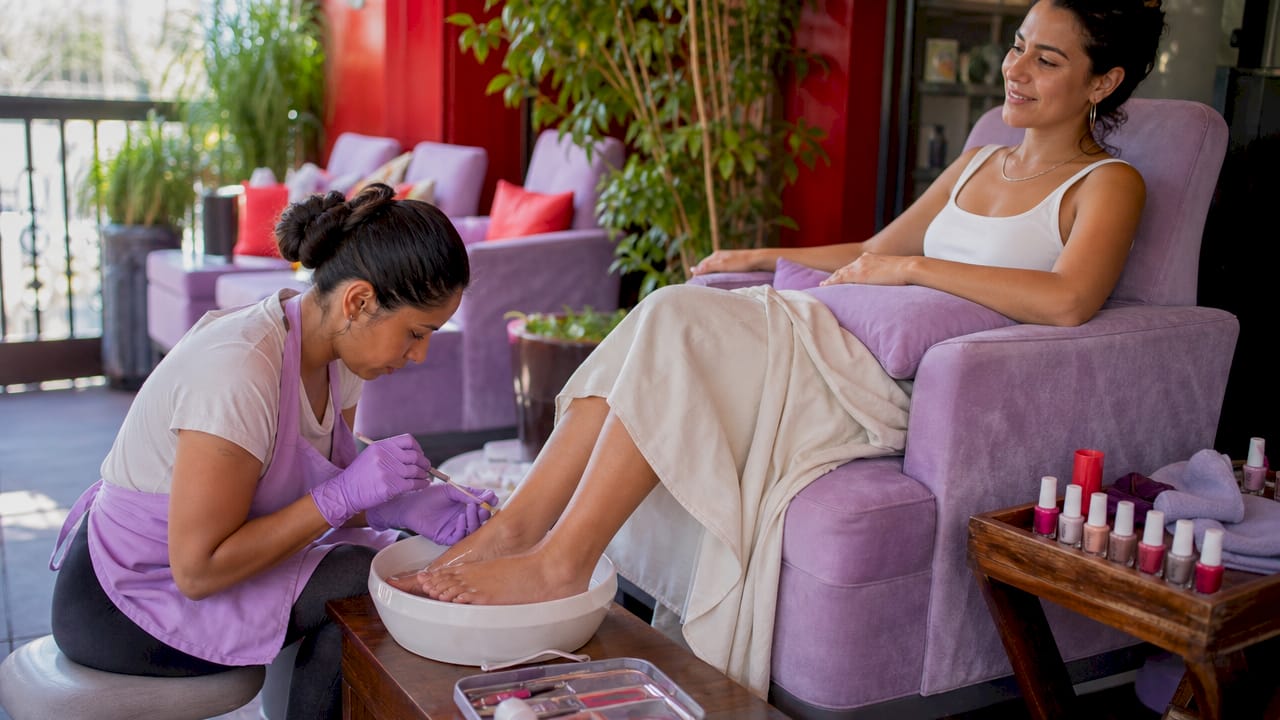
A pedicure begins with a warm foot soak to soften skin and nails. After soaking, the technician removes calluses, exfoliates the skin, shapes the nails, tends to cuticles, performs a foot massage, and finishes with polish. A pedicure lasts 45–90 minutes because foot skin requires more preparation and treatment than hand skin. That extra time is not padding. It reflects the real physical demands of foot care.
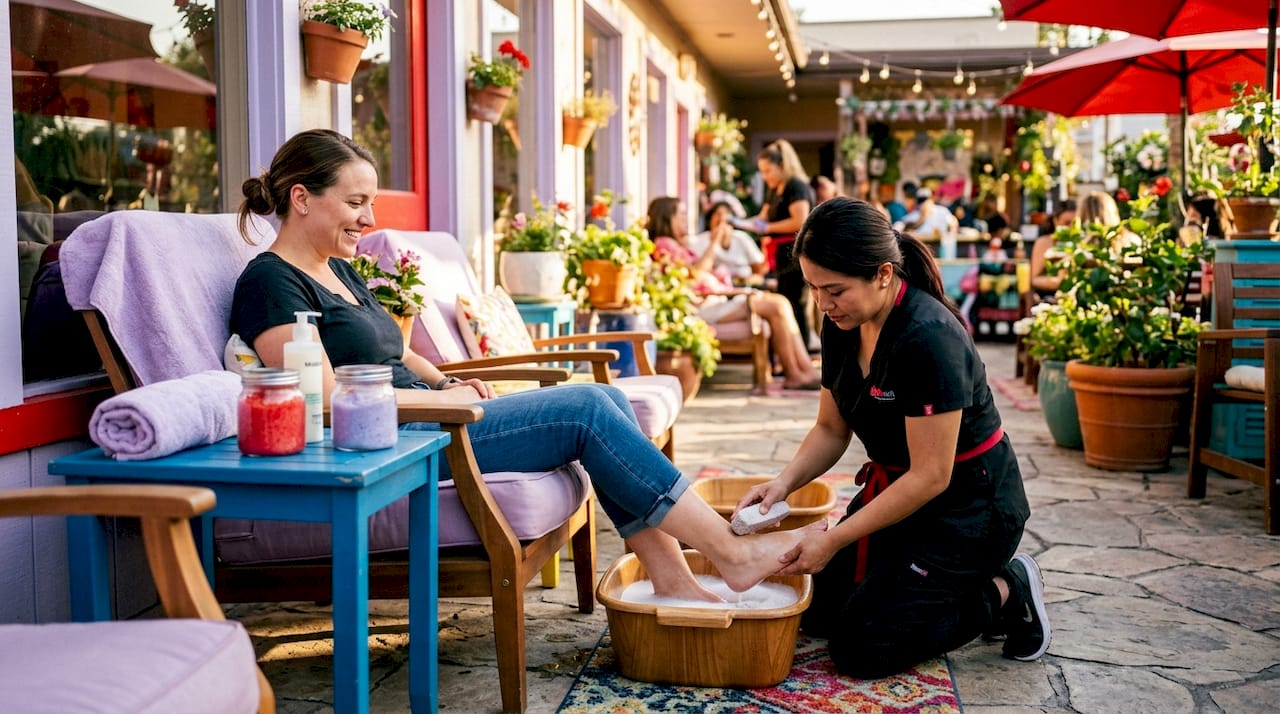
Pro Tip: Book a pedicure before a manicure in the same visit. The foot soak can run while your hands dry, cutting your total salon time significantly.
Feature | Manicure | Pedicure |
Body area | Hands and fingernails | Feet and toenails |
Key steps | Trim, file, buff, polish | Soak, exfoliate, callus removal, massage, polish |
Main tools | Buffer, cuticle pusher, hand lotion | Foot file, scrub, pumice stone |
Typical duration | 30–60 minutes | 45–90 minutes |
Finishing touch | Nail polish or gel | Nail polish, sometimes paraffin wax |
How do manicures and pedicures benefit nail and skin health differently?
Both treatments improve health and appearance, but they target completely different problems. Manicures and pedicures prevent dry skin, infections, and nail damage while enhancing how your hands and feet look. The specific benefits, though, are distinct for each service.
Manicure benefits:
Keeps fingernails clean and shaped, reducing the risk of breakage
Removes and softens cuticles, preventing hangnails and minor infections
Moisturizes hand skin, which is exposed to frequent washing and drying
Strengthens the visual appearance of nails through buffing and polish
Gives technicians a close look at your nail beds, where early signs of fungal issues or skin conditions can appear
Pedicure benefits:
Removes calluses and thick skin caused by pressure from walking and standing
Reduces dry skin and foot infections through regular exfoliation and cleaning
Improves circulation in the feet and lower legs through massage
Addresses ingrown toenails before they become painful or infected
Provides a chance for technicians to spot early signs of athlete’s foot or nail fungus
Regular professional treatments every 3–4 weeks allow technicians to catch minor problems before they worsen. That early detection is one of the most underrated reasons to keep consistent salon appointments. Nail and skin issues caught early are far easier and cheaper to treat.
Pro Tip: Tell your technician about any areas of discomfort or skin changes before the service starts. A trained eye can often identify early nail or skin issues that you might overlook.
How often should you get a manicure versus a pedicure?
Frequency matters as much as the treatment itself. Manicures are ideally done every 2–4 weeks because fingernails grow faster and are exposed to more daily wear. Pedicures work well on a 3–6 week schedule because toenails grow more slowly and feet need less frequent polish refreshing. Your lifestyle also plays a role. People who type all day, cook frequently, or do manual work may need manicures closer to the two-week mark.
Toenails grow slower than fingernails, so spacing pedicures further apart does not compromise nail health. That biological difference is the main reason the two services run on different schedules. Pushing manicures past four weeks, however, often leads to chipped polish, broken nails, and overgrown cuticles.
Service | Recommended frequency | Main reason |
Manicure | Every 2–4 weeks | Faster fingernail growth, high hand exposure |
Pedicure | Every 3–6 weeks | Slower toenail growth, less daily wear on polish |
Both (combined) | Stagger appointments | Keeps full nail care consistent without overlap |
Personal factors like nail strength, polish type, and physical activity level all shift these windows. Gel and shellac manicures typically last closer to three to four weeks before lifting, so they naturally extend the schedule. Standard polish on toenails can hold well past five weeks if feet stay dry and protected.
How to choose between a manicure and pedicure for your needs
Choosing between a manicure and pedicure depends heavily on your lifestyle and what your body actually needs right now. The two services are not competing options. They are complementary, and most people benefit from both on a rotating schedule.
That said, if you can only book one service, these factors point you in the right direction:
Choose a manicure if:
You work with your hands daily (typing, cooking, cleaning, crafting)
Your fingernails are breaking, peeling, or growing unevenly
You have a professional event, interview, or occasion coming up
Your cuticles are dry, torn, or painful
You want nail art or a style refresh for your hands
Choose a pedicure if:
You spend long hours standing, walking, or wearing closed shoes
Your heels are cracked or your foot skin feels rough and dry
You have calluses that cause discomfort
Sandal season is approaching and your feet need attention
You want a deeply relaxing treatment. Most clients find pedicures more physically relaxing due to soaking and foot massage, while manicures are more detail-driven and visually satisfying.
The smartest approach for most people is to alternate services. Book a manicure one visit, a pedicure the next, and combine them monthly when time and budget allow. A nail care routine between visits, including moisturizing and gentle filing, extends the results of both treatments.
Foot skin requires more exfoliation and callus removal than hand skin due to daily pressure and abrasion. That physical reality means pedicures carry a stronger health function, while manicures lean more toward aesthetics and fine detail. Both matter. The right balance depends on your body and your schedule.
Key takeaways
A manicure treats hands and fingernails while a pedicure treats feet and toenails, and both services address distinct health and grooming needs that the other cannot replace.
Point | Details |
Different body areas | Manicures focus on hands; pedicures focus on feet and require more preparation time. |
Distinct procedures | Pedicures include soaking and callus removal; manicures center on shaping, buffing, and polish. |
Separate health benefits | Manicures prevent hangnails and infections; pedicures reduce calluses and improve circulation. |
Different frequency | Book manicures every 2–4 weeks and pedicures every 3–6 weeks based on nail growth rates. |
Lifestyle drives the choice | Hand-intensive work favors manicures; standing and walking make pedicures the priority. |
Why I think most people underestimate the pedicure
People tend to treat pedicures as a seasonal luxury, something you book before a beach trip and forget about the rest of the year. That thinking is a mistake, and I’ve seen the consequences of it firsthand.
Feet take more physical punishment than hands. They carry your full body weight, stay compressed in shoes for hours, and rarely get the moisturizing attention that hands do. Skipping regular pedicures does not just leave your feet looking rough. It allows calluses to thicken, dry skin to crack, and early nail problems to go unnoticed until they become painful.
The relaxation factor is real too. A pedicure with a proper foot massage does something a manicure simply cannot. The physical release from soaking and massage affects how your whole body feels, not just your feet. Clients who book pedicures consistently report feeling less tension in their legs and lower back after regular sessions.
My honest advice: treat both services as maintenance, not indulgence. A manicure keeps your hands professional and your nails strong. A pedicure keeps your feet functional and pain-free. Together, they form a complete picture of nail and skin health. The connection between nail care and confidence is real, and it starts with showing up consistently, not just before special occasions.
— MinhHieu
Professional nail care services at Bradentonnails
Bradentonnails at TJ Nails in Bradenton, FL offers both manicure and pedicure services performed by skilled technicians in a clean, welcoming environment. Whether you need a classic manicure to keep your hands polished or a full pedicure to address calluses and foot skin, the team tailors each service to your specific needs.

Bradentonnails is open seven days a week, including Sundays, making it easy to fit nail care into any schedule. From gel and shellac manicures to relaxing foot treatments, every service is designed to deliver real results. Book your appointment online and visit the nail salon in Bradenton to experience professional nail care that goes beyond the surface.
FAQ
What is the main difference between a manicure and pedicure?
A manicure treats the hands and fingernails, while a pedicure treats the feet and toenails. Each service uses different tools and techniques suited to the specific needs of that body area.
How long does each service take?
A manicure typically lasts 30–60 minutes. A pedicure runs longer at 45–90 minutes because it includes foot soaking, exfoliation, and callus removal.
Can you get a manicure and pedicure on the same day?
Yes, and many salons recommend it. Booking both in one visit is efficient, and a skilled technician can time the foot soak to run while your nails dry.
How often should you get a pedicure compared to a manicure?
Manicures work best every 2–4 weeks due to faster fingernail growth. Pedicures can be spaced every 3–6 weeks because toenails grow more slowly and foot skin holds up longer between treatments.
Which service is better for relaxation?
Pedicures are generally more physically relaxing because of the warm soak and foot massage. Manicures are more detail-focused and deliver stronger visual results for the hands.
Recommended
Comments