
Why Nails Break: Causes You Can Fix and Signs You Can't Ignore
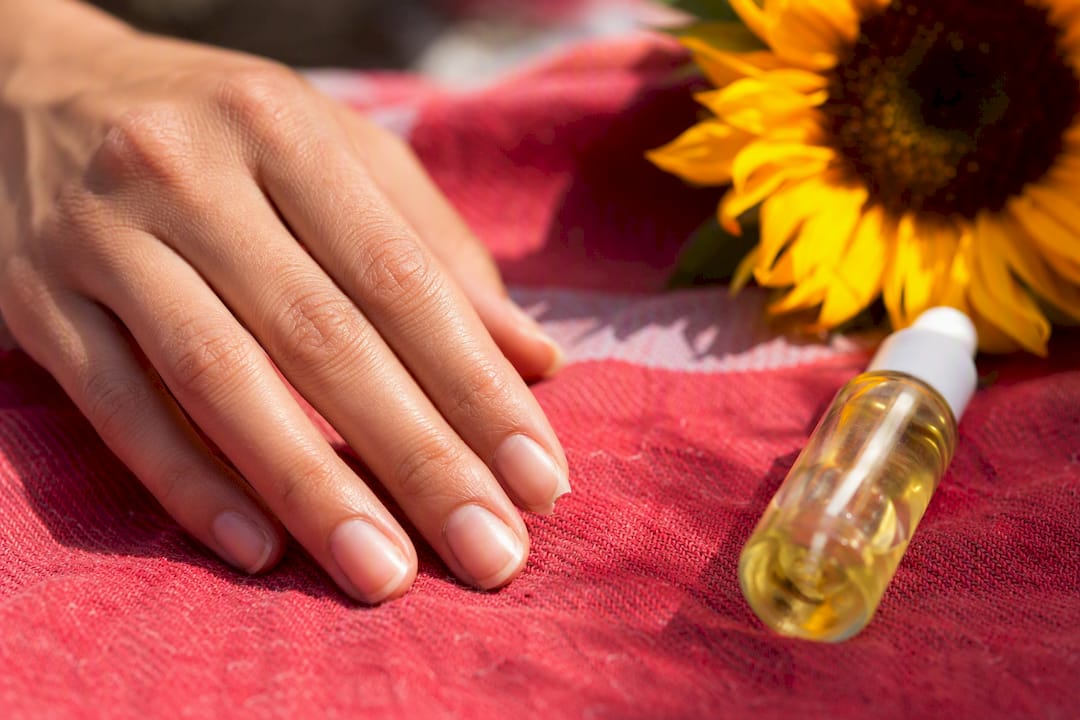
Most nail breakage comes down to three things: repeated wetting and drying, physical trauma from manicures or daily tasks, or an underlying nutritional or medical issue. If a nail just split, here’s what to do right now:
Trim the broken edge and smooth it with a fine file so it doesn’t snag and tear further.
Protect the area with a bandage or nail wrap for a day, then switch to gloves for wet work going forward.
Moisturize the nail plate and cuticle with oil daily. Dry, brittle nails split faster than hydrated ones.
See a clinician if multiple nails are affected, you notice pus, pain, or the nail is lifting from the bed.
The rest of this guide breaks down the specific causes, how to repair damage without making it worse, which nutrients actually matter, and the red flags that mean it’s time for a medical opinion instead of a manicure.
Key Takeaways
Nail breakage is usually driven by repeated wetting and drying, mechanical trauma from manicures, or an underlying nutritional or medical issue, and identifying which one applies determines the right fix.
Point | Details |
Identify your pattern first | Match the split location and nail appearance to environmental, dermatologic, or systemic causes before treating. |
Repair gently, not aggressively | Trim, round the edge, and protect with glue or a wrap rather than picking or peeling. |
Give nutrients time to work | Biotin and iron supplementation typically need six to eight weeks to show visible change. |
Build a daily protective habit | Nightly cuticle oil plus gloves during chores prevents most recurring breakage. |
Know your red flags | Multiple affected nails, pain, or detachment warrant a clinician visit, not another home remedy. |
Choose professional repair when needed | Bradentonnails offers controlled removal and strengthening treatments as a safer alternative to DIY fixes. |
Table of Contents
What’s Really Behind Your Nail Breakage Causes
Nail breakage almost always falls into one of five buckets: environmental habits, skin conditions, systemic disease, medication side effects, or age-related changes. Figuring out which one applies to you usually comes down to pattern recognition. Where the nail splits, what the surrounding skin looks like, and how many nails are affected all point toward a specific cause.
Environmental and mechanical stress is the most common culprit by far. Cycles of wetting and drying the hands, whether from dishwashing, frequent handwashing, or occupational exposure to water and solvents, cause the nail plate to swell and contract repeatedly. That constant expansion and contraction breaks down the layers of keratin that hold the nail together, leading to the vertical splitting at the free edge known as lamellar onychoschizia. Hairstylists, nurses, dishwashers, and anyone who gardens without gloves see this pattern constantly.
Dermatologic conditions show up differently. Psoriasis often causes pitting, oil spots under the nail, and thickening. Lichen planus tends to thin the nail plate and can cause permanent scarring if untreated. Chronic paronychia, inflammation around the nail fold, usually comes with puffy, tender skin and separation of the cuticle. Fungal infection typically thickens and discolors the nail, usually starting at one corner and spreading.
Systemic causes include iron deficiency anemia, thyroid disease (both hyper and hypothyroidism), and peripheral vascular problems that reduce blood flow to the fingertips.
Medication effects are common with retinoids, which thin the skin and nails, and chemotherapy drugs, which can cause ridging, discoloration, or complete nail shedding.
Age-related changes reduce the nail plate’s lipid and water content over time, making nails more rigid and prone to cracking rather than flexing under stress.
Brittle nails affect roughly 20% of people, and the condition skews heavily toward women and older adults. Most cases are secondary, meaning something else is driving the damage rather than the nail itself being inherently weak.
How to Fix a Broken or Split Nail Right Now
The instinct to rip off a hangnail or peel a broken tip is exactly what turns a small problem into a bigger one. Here’s the sequence that actually works.
Trim the break with clean nail scissors or clippers, cutting just past the split so it can’t catch on fabric or hair.
File the edge round, not square. Sharp corners concentrate stress and invite the next tear.
Clean the area with soap and water, then dry it fully before applying anything.
Protect it with a small dab of clear nail glue and a piece of tea bag paper or a silk wrap if the split runs deep. This buys time while the nail grows out.
Avoid picking at the repair, even when it starts lifting at the edges after a few days.
Home fixes work fine for shallow splits confined to the free edge. Once a crack runs into the nail bed or causes bleeding, that’s a job for a professional, not a glue stick.
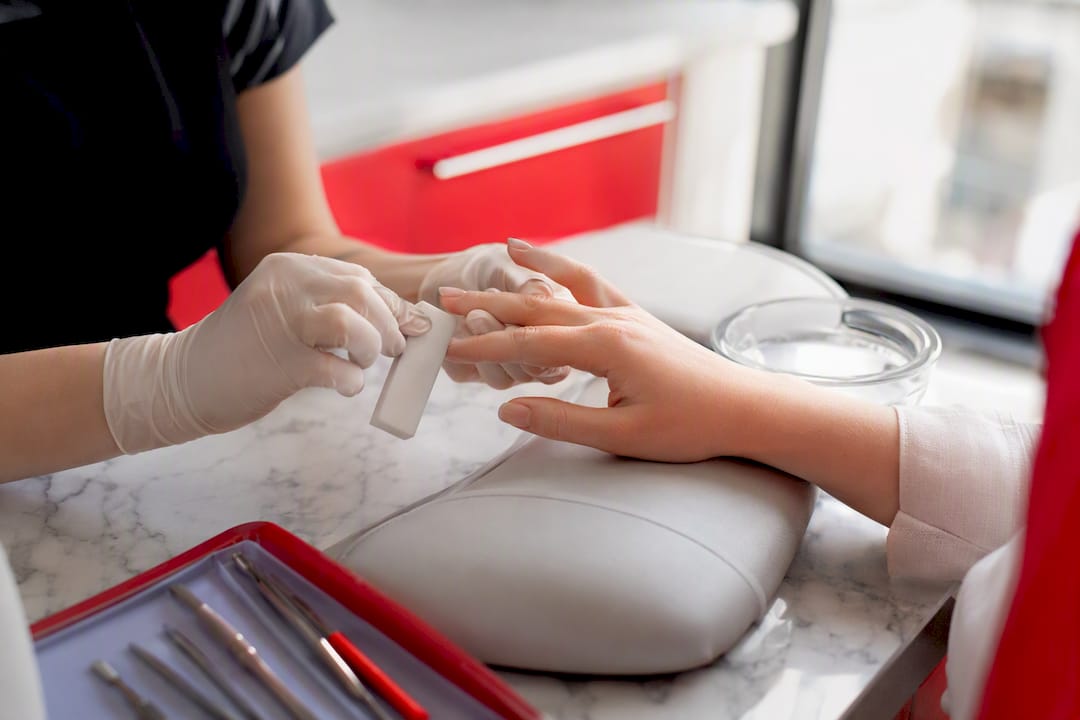
Professional repair matters more than most people realize, and not just for cosmetic reasons. Salons use controlled buffing and gentle soak-off techniques that preserve the nail plate’s thickness. Improper removal of enhancements, especially aggressive scraping or peeling gel off dry, causes long-term thinning that makes every future break worse.
Pro Tip: Fingernails grow about 3 millimeters a month, so a split near the base can take three to six months to fully grow out. Treat the whole nail gently during that window, not just the damaged section.
Nutrition and Supplements for Stronger Nails
Nail keratin depends on a specific set of nutrients, and a shortfall in any of them shows up as brittleness before it shows up anywhere else visible.
Biotin (vitamin B7): the most studied nutrient for nail strength.
Iron: low ferritin is a frequent, often overlooked cause of thin, spoon-shaped nails.
Zinc and selenium: both play a role in keratin synthesis and wound healing at the nail matrix.
Vitamins A through E: support the skin and nail structure broadly rather than acting on one specific pathway.
Cysteine and adequate protein: nails are built almost entirely from structural protein, so overall protein intake matters more than people assume.
These nutrients are linked directly to nail keratinization in clinical literature, which is why a deficiency in any one of them can produce visible ridging or splitting within weeks.
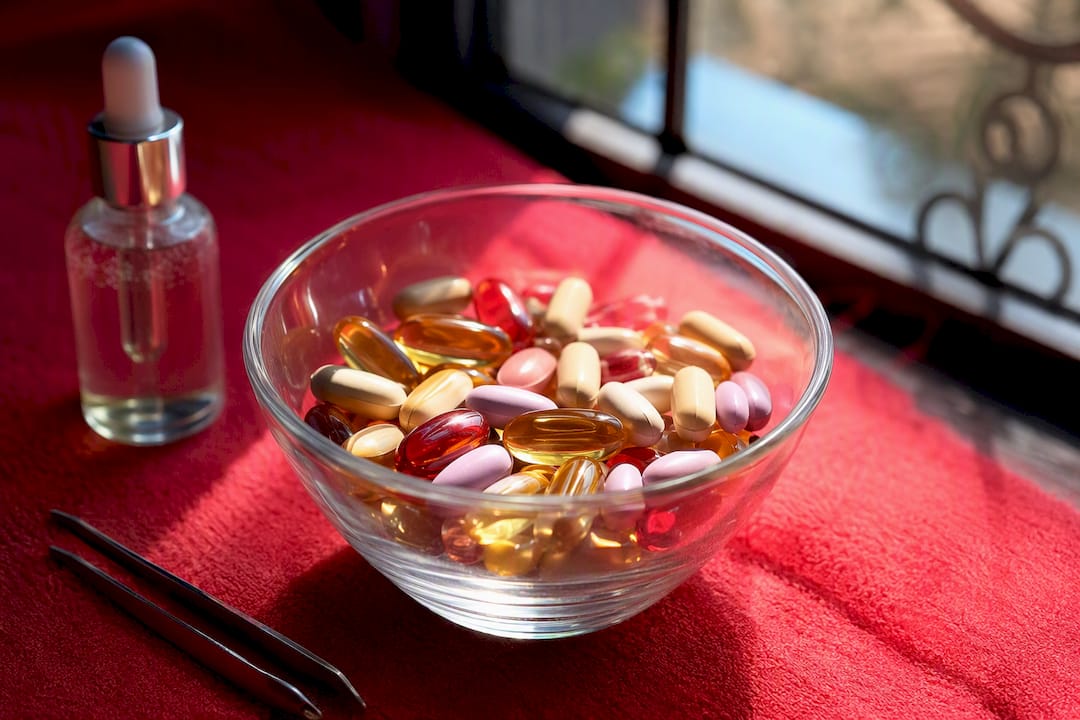
Some dermatologists recommend biotin doses around 5,000 mcg daily, but don’t expect overnight results. Nails grow slowly, so it typically takes six to eight weeks before you see a visible difference, and biotin won’t help if your breakage is from mechanical trauma rather than a deficiency. Before starting any supplement, it’s worth asking your doctor for a CBC with iron studies and a TSH panel. Supplementing blindly wastes money if your nails are breaking from wet work, not biology.
A Daily Routine That Actually Stops the Damage
Fixing brittle nails is less about one big intervention and more about removing the daily stressors that keep wearing them down.
Apply cuticle oil every night to lock moisture into the nail plate. A jojoba or vitamin E based oil works better than water-based lotions, which evaporate fast.
Follow oil with an occlusive ointment on particularly dry or cracked nails to seal moisture in overnight.
Wear cotton-lined rubber gloves for dishes, cleaning, and gardening. This single habit prevents more damage than any product on the market.
Keep nails trimmed short during a breakage flare. Shorter nails have less leverage to catch and tear.
Switch to gentler polish removers (acetone-free when possible) and space out gel or acrylic appointments to avoid cumulative filing damage.
Stop nail-biting and peeling enhancements. Both habits strip layers off the nail plate faster than it can rebuild.
Bradentonnails covers daily habits between salon visits in more depth if you want a week-by-week routine to follow.
Pro Tip: Apply cuticle oil right before bed, not right before you put your hands in water. Oil needs a few minutes to absorb, and washing it off immediately defeats the purpose.
When to See a Clinician: Red Flags to Watch For
Most brittle nails respond to better habits within a couple of months. Some patterns mean it’s time to stop self-treating.
Pain, swelling, or pus around the nail fold
Rapid or widespread changes affecting several nails at once
The nail lifting or detaching from the nail bed
Dark streaks or splinter hemorrhages under the nail
Changes that don’t improve after 8 to 10 weeks of consistent care
When several nails change at the same time, or the changes come with pain or systemic symptoms, testing for fungal infection, anemia, or thyroid dysfunction usually makes more sense than trying another cuticle oil.
A workup typically starts with a fungal KOH prep or culture, a CBC and iron panel, and a TSH test. If a dermatologist suspects psoriasis or lichen planus, a referral and possibly a biopsy follow. Nails often need months to fully recover even after the underlying condition is treated, since existing damage has to grow out rather than heal in place.
How Bradentonnails Approaches Safe Nail Repair
Salon-trained removal beats DIY scraping because it controls two things home methods rarely do: soak time and pressure. A proper soak-off softens product gradually instead of forcing it, which is where most at-home thinning happens.
Controlled acetone soaking instead of peeling or picking
Gentle buffing that removes product without stripping healthy nail layers
Aftercare guidance tailored to the damage pattern we see
A referral recommendation, not a cosmetic fix, when a nail change looks medical rather than mechanical
A Note From the Salon Chair
The same three patterns show up again and again: wet work without gloves, back-to-back enhancement appointments with no break, and diets missing basic nail-building nutrients. Start today: trim short, oil nightly, glove up for chores, and book a check if anything looks off.
— MinhHieu
What TJ Nails Can Do for Damaged or Brittle Nails
If your nails are breaking from manicure buildup, repeated enhancements, or rough removal history rather than a medical condition, that’s exactly the kind of damage a trained technician can help reverse. Bradentonnails offers controlled soak-off removal, strengthening treatments like SNS dip powder, and a personalized aftercare plan built around how your nails are actually breaking, not a generic template.

We won’t promise a supplement can’t. A salon service treats the mechanical and cosmetic side of nail damage. It’s not a substitute for bloodwork if your nails point to something systemic. But if wet work, old gel, or aggressive filing got you here, professional repair and a better maintenance schedule can make a real difference within a few appointments. Book a manicure in Bradenton and let a technician assess what’s actually going on before recommending a fix.
Sources
Recommended
Comments