
Pedicure benefits explained: Health, relaxation, and smart self-care
Most people in Bradenton schedule a pedicure when sandal season hits or before a special event. The assumption is simple: pedicures are a cosmetic treat, something you enjoy once in a while and then forget about. But that assumption is wrong, and the science backs it up. Professional pedicures support real foot health, improve circulation, reduce pain, and even sharpen your emotional well-being. This article walks you through exactly what happens during a quality pedicure, what the research says about its benefits, how to stay safe, and why Bradenton women are increasingly making pedicures a non-negotiable part of their health routine.
Table of Contents
Key Takeaways
Point | Details |
Comprehensive benefits | Pedicures boost not just appearance but also circulation and pain relief. |
Health vs. spa focus | Medical pedicures are ideal for health needs; spa types for relaxation and beauty. |
Hygiene is crucial | Sterilized tools and professional technique drastically reduce infection risks. |
Personalized care matters | Discussing your health needs leads to safer and more effective treatments. |
What really happens during a professional pedicure?
A lot of people sit down in that pedicure chair and enjoy the experience without knowing what each step actually does. Understanding the process changes the way you feel about it. This isn’t just about pretty polish. Every single step has a purpose.
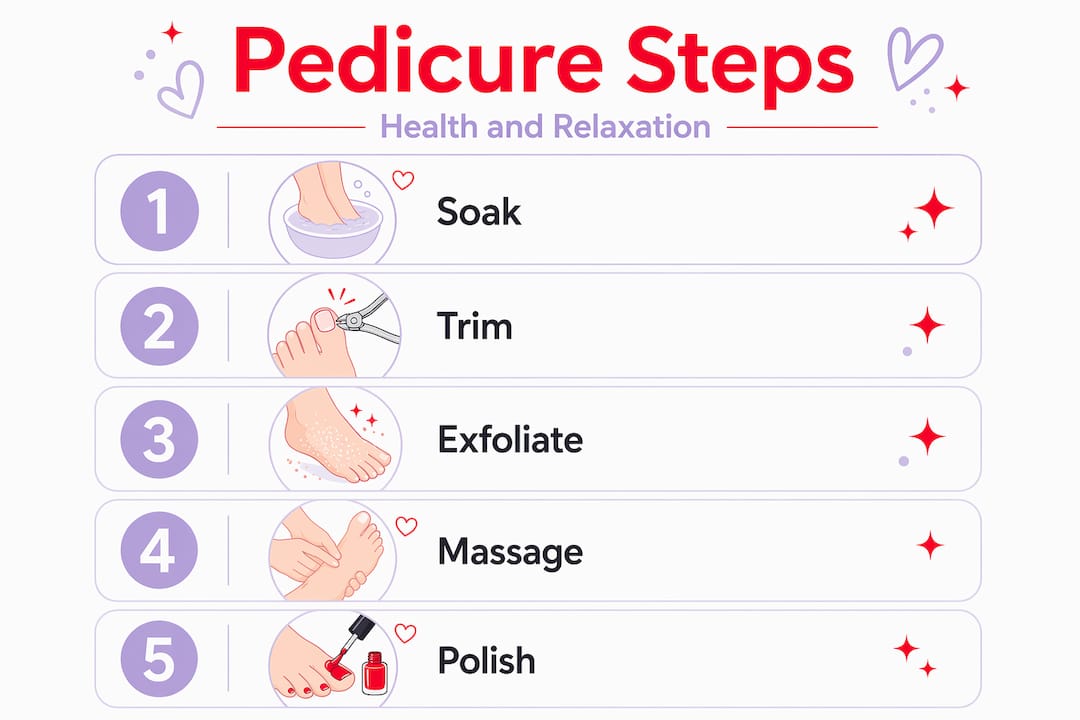
Here’s a breakdown of the standard professional pedicure process:
Soak: Your feet are submerged in warm water for 10 to 15 minutes. This softens skin, relaxes tight muscles, and makes nail trimming easier and more precise.
Nail trimming and shaping: Nails are trimmed straight across and filed to prevent ingrown toenails. Rounding the edges too aggressively is one of the most common causes of painful ingrowns.
Exfoliation: A pumice stone or foot file removes the dead, thickened skin cells that build up on heels and the balls of your feet. Calluses, when left untreated, can cause uneven pressure and discomfort with every step.
Cuticle care: Cuticles are pushed back gently and any excess skin is removed. Skipping this step allows bacteria and fungi to find a foothold under the nail.
Moisturizing: A rich lotion or cream is massaged into the skin to restore hydration. Florida heat, walking on hot surfaces, and flip-flop wear all strip moisture from foot skin faster than most people realize.
Massage: The foot and lower leg are massaged to relieve tension and stimulate blood flow. Foot massage has been shown to improve circulation by up to 25%, which matters for both recovery and long-term foot health.
Polish application: Color or a clear protective coat is applied to finish the service.
Pro Tip: Always ask your technician to trim your nails straight across rather than curved at the corners. It takes an extra 30 seconds and dramatically lowers your risk of painful ingrown nails, especially if you wear closed-toe shoes regularly.
Our relaxing spa pedicures follow this full process, with each step performed by a trained technician who pays attention to the specific condition of your feet, not a one-size-fits-all routine.
The health benefits explained: More than meets the eye
Understanding the process makes the next question easy: do these steps really make a difference? The research says yes, and not in a small way.
A clinical study on podiatric nail care found an impressive 74% effectiveness score when measuring nail condition improvement, pain reduction, and overall quality of life gains. That’s not a marginal result. That’s a meaningful improvement in daily comfort and mobility for real people who received regular professional nail care.
The massage and reflexology components go even further. Foot reflexology has been studied in patients with diabetic neuropathy and hemodialysis-related discomfort, and the results are compelling. Regular foot reflexology massage reduces neuropathic pain, decreases skin itching (pruritus), and measurably improves emotional well-being in people with chronic conditions. For Bradenton residents managing diabetes or circulation issues, this is far more than a relaxation bonus.
Here’s a quick comparison of what standard spa pedicures and medical pedicures each offer:
Benefit | Spa pedicure | Medical pedicure |
Skin hydration | ✓ | ✓ |
Nail shaping and trimming | ✓ | ✓ |
Callus removal | Mild | Deep, clinical |
Ingrown nail treatment | Basic | Advanced |
Fungal infection management | No | Yes |
Emotional relaxation | ✓ | Partial |
Safe for diabetics | Sometimes | Yes (preferred) |
Circulation improvement | ✓ | ✓ |
Beyond the table, here are specific groups who benefit most from regular pedicure care:
People with diabetes: Reduced sensation in the feet means small issues like ingrowns or calluses go unnoticed until they become serious. Regular care catches problems early.
Women with jobs that require standing: Nurses, teachers, retail workers, and others who are on their feet all day accumulate muscle tension and callus buildup faster than average.
Active individuals: Runners and walkers in Bradenton deal with thickened skin, nail stress, and tight plantar fascia (the connective tissue on the bottom of the foot). Pedicures address all of these.
Anyone managing chronic stress: Foot massage activates the parasympathetic nervous system, essentially signaling to your body that it’s safe to relax. The emotional payoff is real and measurable.
Pro Tip: If you live with chronic foot fatigue or swelling, explore the luxury foot treatments that include extended massage and hot stone therapy. These services go deeper than a standard pedicure and offer compounding benefits when scheduled regularly. And if you’re looking for a shared experience, there’s solid evidence that couples who get pedicures together report stronger feelings of relaxation and connection, making it a smart social self-care strategy too.
Medical vs. spa pedicures: What’s the right choice?
Health benefits vary depending on the type of pedicure, and choosing the wrong one for your situation could mean missing out on important care, or worse, putting yourself at unnecessary risk.
Spa pedicures are the standard cosmetic service. They prioritize aesthetics, relaxation, and appearance. Done in a clean, well-run salon, they’re safe and enjoyable for most people. However, unhygienic spa conditions create real infection risks, particularly if tools aren’t properly sterilized between clients.
Medical pedicures (sometimes called medi-pedicures or clinical pedicures) are performed using sterile clinical tools and are specifically designed to treat conditions like deep calluses, fungal infections, and ingrown nails. They’re the better choice for anyone with a health condition that affects their feet.
Feature | Spa pedicure | Medical pedicure |
Primary goal | Cosmetic and relaxation | Therapeutic and corrective |
Who performs it | Nail technician | Podiatrist or trained specialist |
Tool sterilization | Good salons do this | Always required |
Callus treatment | Surface level | Deep and targeted |
Ingrown nail correction | Shaping only | Corrective treatment |
Best for | Healthy adults | Diabetics, elderly, chronic foot issues |
Frequency | Monthly | As prescribed or as needed |
“Medical pedicures can prevent foot disorders and detect issues early, making them especially valuable for those with diabetes, poor circulation, or a history of foot complications.”
If you’re exploring options in downtown Bradenton and want to understand which service fits your health needs, learning more about safe diabetic pedicure options near you is a great starting point.
For most healthy adults, a high-quality spa pedicure performed by a trained technician in a clean environment delivers excellent results. The key phrase is “clean environment.” That distinction matters more than almost anything else.
Risks and smart safety tips: Navigating common pitfalls
Amazing benefits mean nothing if you walk away with an infection. The risks are real but entirely avoidable when you choose your salon carefully and follow a few non-negotiable rules.
The American Academy of Dermatology warns that nail infections from poor hygiene include bacterial and fungal exposure, and that cuts during a pedicure can lead to serious complications like cellulitis or even sepsis in severe cases. For people with diabetes or compromised circulation, these risks are significantly higher because their bodies have a harder time fighting infections and healing wounds.
Here are five concrete tips for protecting yourself every time you visit a salon:
Ask about sterilization practices: Reputable salons use autoclave sterilization (heat-based) or disposable tools for each client. If they can’t answer the question clearly, walk out.
Inspect the footbaths: Jet footbaths are hard to clean thoroughly. Many high-quality salons now use liner bags or hard basins that are easier to sanitize between clients. Ask which type they use.
Skip the razor blades: Foot razors (also called credo blades) can remove too much skin at once and create open areas that invite infection. Pumice stones and files are safer alternatives.
Never get a pedicure over an active infection: If you have an open cut, active fungal infection, or skin irritation on your feet, wait until it heals. Applying polish over infected nails traps moisture and makes the problem significantly worse.
Bring your own tools if you have a health condition: This is common practice for people with diabetes and is perfectly acceptable to request at any professional salon.
Pro Tip: The Russian pedicure technique, which uses an electric file for dry and precise cuticle work rather than soaking, is increasingly popular for its hygiene advantages. Ask your technician if they offer it.
“Cut nails straight across, avoid razors and aggressive emery boards, and never apply polish over active infections. These simple practices prevent the majority of pedicure-related complications.”
When you choose safe local pedicure salons that follow proper protocols, the benefits far outweigh the risks. And for anyone who has experienced nail damage in the past, understanding nail damage prevention tips helps you make smarter choices going forward.
Our take: Pedicures as purposeful self-care in Bradenton
Here’s something that conventional beauty advice rarely says plainly: pedicures are healthcare, not just self-indulgence. The framing matters. When you think of a pedicure as a treat, you skip it when life gets busy. When you think of it as maintenance, like a dental cleaning or a massage therapy session, you prioritize it consistently. And consistency is where the real results come from.
We’ve seen this shift firsthand with our clients here in Bradenton. Women who began booking monthly pedicures for cosmetic reasons are reporting fewer foot problems, better sleep (because their feet hurt less at the end of the day), and a meaningful reduction in stress. That’s not coincidence. Research on podiatric nail care outcomes confirms that consistent professional care delivers compounding quality-of-life gains over time.
What we find most interesting is the social dimension. Bradenton clients increasingly bring a friend, a sister, or their partner. The combination of physical care and shared time creates a wellness experience that’s genuinely hard to replicate anywhere else. It’s not about the nail color. It’s about an hour of your week dedicated entirely to your comfort and well-being.
The uncomfortable truth is that most women wait too long between pedicures and then come in with calluses, overgrown cuticles, and stress-related foot tension that requires more work to resolve. Monthly appointments prevent the buildup. They keep you comfortable, healthy, and honestly just happier in your own skin.
If you’re someone who values intentional living in Bradenton, connecting wellness-oriented pedicures with your broader self-care routine is one of the most practical upgrades you can make. Tell your technician about your specific concerns, whether that’s heel cracking, nail fragility, or foot tension. The more context they have, the better care you receive.
Pro Tip: Before your appointment, think about what your feet have been through that month. Long days on your feet, a new workout routine, extra stress at work. Share that information with your technician. It takes 30 seconds and transforms a routine service into genuinely targeted care.
Ready to experience the benefits? Where to book your Bradenton pedicure
If this article has shifted the way you think about foot care, you’re in good company. Bradenton residents are increasingly choosing salons based on hygiene standards, technician expertise, and the quality of their overall experience rather than just price or proximity.

At TJ Nails, we combine professional skill with a genuinely clean, welcoming environment that makes every visit feel worth it. Whether you’re looking for your first pedicure or want to upgrade your current routine, our Bradenton pedicure specialists are ready to help. Explore our full menu at one of the area’s most trusted nail salons and find the service that fits your lifestyle. We also offer SNS nail treatments for clients who want durable, healthy-looking nails beyond the standard service. Booking is easy online, and we’re open Sundays to fit your schedule.
Frequently asked questions
How often should I get a pedicure for health benefits?
Once a month is the general recommendation for maintaining foot health and appearance, though podiatric nail care research suggests those with medical conditions like diabetes or chronic pain may benefit from more frequent professional care.
Is it safe for diabetics to get a pedicure?
Yes, but diabetics should specifically seek out salons that use sterilized tools and avoid services involving razors or aggressive exfoliation, since diabetic infection risks from even minor cuts are significantly higher than average.
Can pedicures help with foot pain?
Yes. The massage and reflexology components of a professional pedicure have been clinically shown to reduce neuropathic pain and discomfort, with measurable improvements in comfort and emotional well-being, particularly for those with chronic foot conditions.
What should I avoid during a pedicure to reduce risk?
Avoid razors, unsterilized instruments, and any service applied over an active infection. Experts also advise against polish over infected nails because trapping moisture accelerates the problem rather than covering it up.
Recommended
Comments