
What Is a Manicure? Types, Benefits, and Techniques
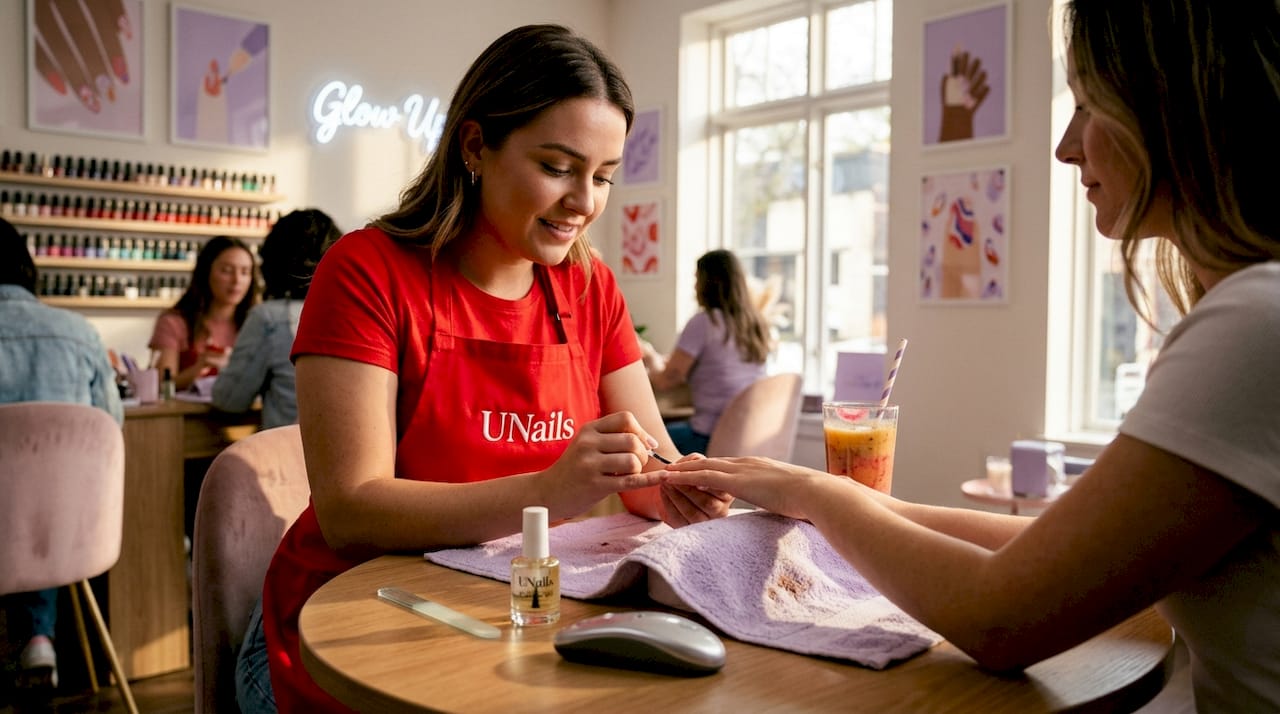
Most people assume a manicure is just a coat of nail polish. It is not. A manicure is a hands-on nail care service that covers cleaning, shaping, cuticle treatment, skin moisturizing, and, yes, polish application. Understanding what is a manicure at its full scope matters because the decisions you make, which product system to use, how to remove it, and how to prep your nails, directly affect your long-term nail health. This guide breaks down every major type, the safest techniques, and what you need to know before your next appointment or DIY session.
Table of Contents
Key takeaways
Point | Details |
A manicure is full nail care | It covers shaping, cuticle care, moisturizing, and polish, not just color application. |
Four manicure categories exist | Types split into service type, product system, technique, and style, which clears up most confusion. |
Application and removal matter most | How you apply and remove a manicure affects nail health more than which product you choose. |
At-home manicures follow clear steps | Filing, buffing, base coat, color, and top coat done correctly can rival salon results. |
Safety awareness protects your nails | Some gel removers contain banned chemicals, so checking ingredients before use is critical. |
What is a manicure, really?
A manicure is a complete nail and hand grooming service. The American Academy of Dermatology recommends keeping nails clean and dry, cutting them straight across, filing to remove snags, and avoiding cuticle removal or biting. That guidance captures the core of what a proper manicure addresses.
The service goes well beyond color. Manicures provide health benefits like improved circulation through hand massage and help prevent nail damage through consistent cuticle care and moisture. Regular manicures train you to notice early signs of damage, dryness, or infection before they become serious problems.
Most people skip the foundational steps and wonder why their polish chips in two days. The shape of your nail affects how long polish lasts. Cuticle care affects how cleanly polish sits near the base. Moisturizing the surrounding skin keeps the nail bed healthy. Every step connects.
Pro Tip: Push cuticles back gently with a wooden stick rather than cutting them. Cutting creates small wounds that invite bacteria and can lead to infection.
Understanding the different types of manicure
This is where most people get genuinely confused, and for good reason. The nail industry uses the word “manicure” to describe product systems, application techniques, and visual styles all at once. Confusion about manicure terms arises because the industry mixes product systems, application techniques, and style references under a single umbrella term. Separating them makes the decision much easier.
There are four distinct categories:
Service type: Basic, spa, or medical grade.
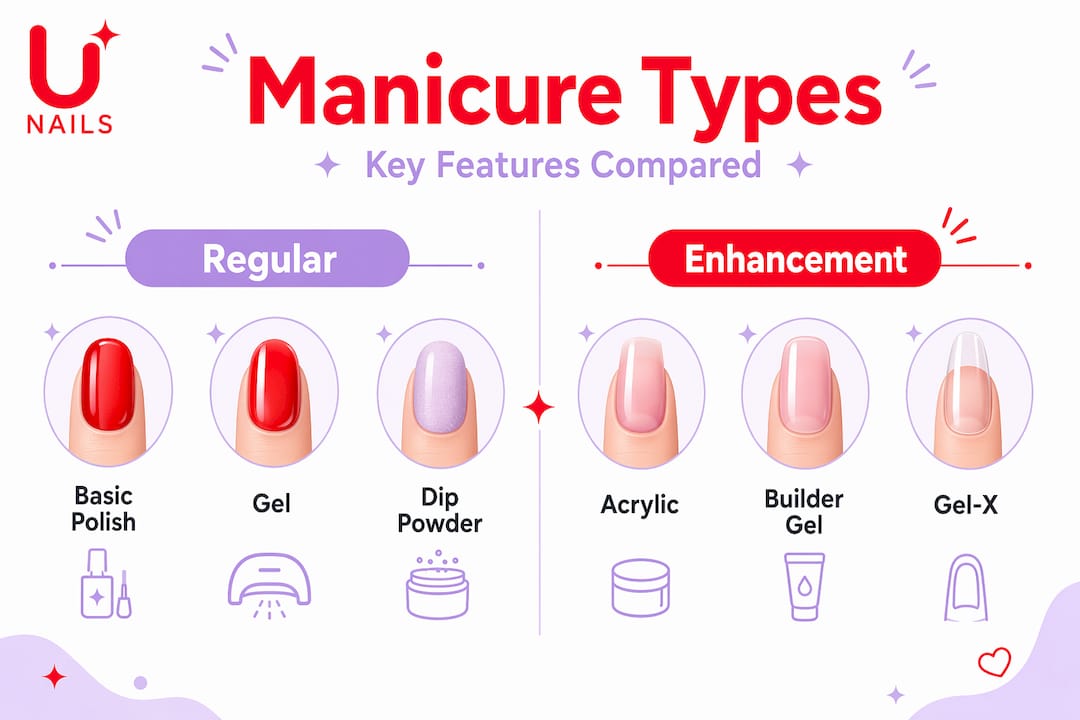
Product system: What goes on your nail. This includes regular polish, gel, dip powder, acrylic, and Gel-X.
Technique: How the service is performed. Examples include dry manicures (no water soak) and Russian manicures (thorough cuticle and skin prep using an e-file).
Style: The visual design, such as French, ombre, or nail art.
Here is a breakdown of the most popular product systems and how they compare:
Type | Durability | Strength added | Wear time | Removal complexity |
Basic polish | Low | None | 3 to 5 days | Easy, acetone or peel |
Gel | High | Moderate | 2 to 3 weeks | Medium, file and soak |
Builder gel | Very high | High | 3 to 5 weeks | High, requires filing |
Dip powder | High | High | 3 to 4 weeks | Medium to high |
Acrylic | Very high | Very high | 3 to 6 weeks | High, professional recommended |
Gel-X | High | Low to moderate | 2 to 3 weeks | Medium, soak off |
Gel manicures use UV or LED curing and typically take about one hour to apply, with removal involving filing and soaking for around 15 minutes. They remain one of the most popular options because the wear time is long without the structural commitment of acrylics.
Technique matters as much as product. A dry manicure, for example, skips the traditional water soak. Soaking nails before polish application causes them to temporarily expand, which leads to polish lifting as the nail contracts during drying. Russian manicures use a precision e-file to remove dead tissue around the cuticle, resulting in a very clean finish. Both techniques require proper training to perform safely.
If you want to explore manicure styles for shorter nails, gel and dip powder systems tend to work well since they add strength without requiring length extensions.
How to do a basic manicure at home
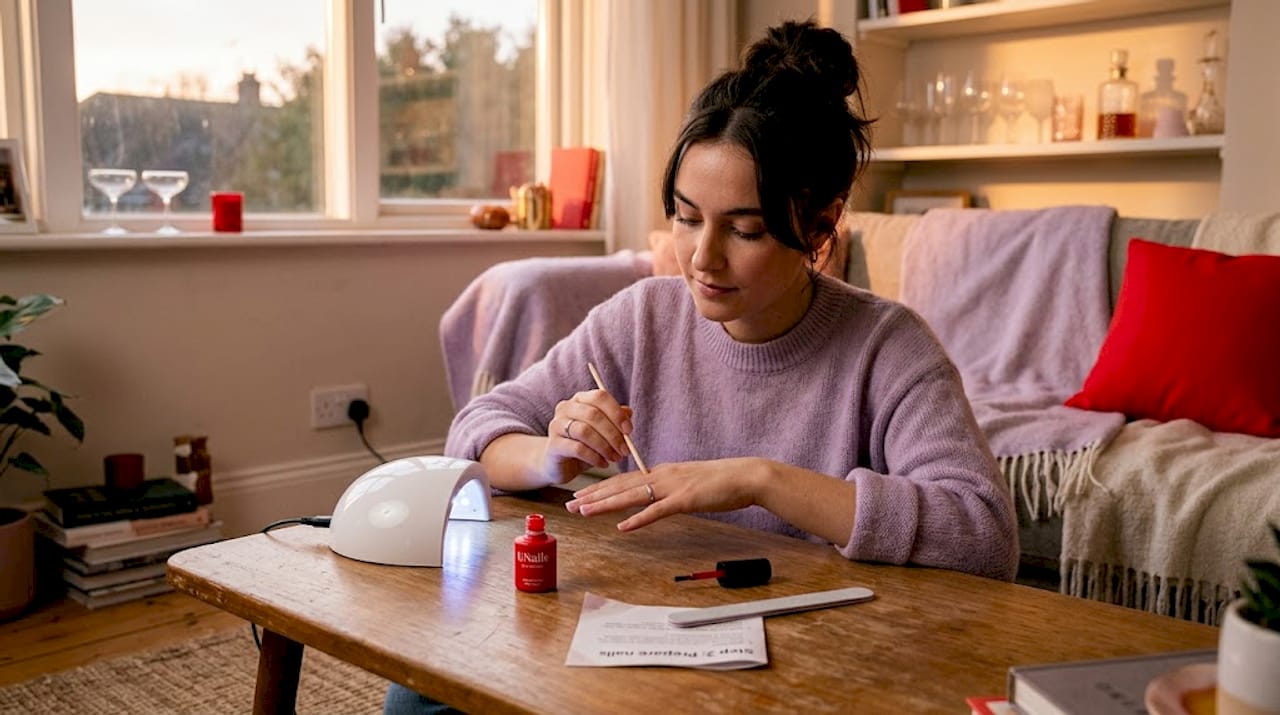
Doing your nails at home is absolutely possible. The key is following the right order and not skipping the prep steps, which most people do. Here is a straightforward process backed by Allure’s at-home manicure guide:
Remove old polish. Use an acetone-based remover on a cotton pad. Wipe in one direction rather than scrubbing.
Trim and shape. Cut nails straight across, then file in one direction. Filing back and forth causes micro-tears that weaken the nail over time.
Soak and push cuticles. Soak your fingertips briefly in warm water, then gently push cuticles back with a cuticle pusher. Do not cut them.
Buff the nail surface. This step is underrated. Buffing improves polish longevity by creating an adhesion-friendly smooth nail surface. A gritty or ridged nail plate causes polish to sit unevenly and chip faster.
Wipe with a cleanser. Remove all dust and natural oils with a nail prep wipe or isopropyl alcohol. Oil on the nail surface prevents polish from bonding.
Apply base coat. One thin layer. Let it dry for at least 60 seconds.
Apply two color coats. Keep them thin. Thick coats take longer to dry and are more likely to dent or bubble. Let each coat dry before applying the next.
Seal the tips. Drag your brush across the very edge of each nail on every coat. This seals the tip and dramatically reduces chipping.
Apply top coat. One layer over the color and edges. Reapply top coat every two to three days to extend wear.
Moisturize. Apply cuticle oil and hand lotion after the top coat is fully dry.
Pro Tip: Apply thin coats and always cap the free edge. Most at-home manicures fail at the tips first, not across the surface of the nail.
The tools that actually matter: a glass nail file (gentler than emery boards), a rubber-tipped cuticle pusher, a buffer block, nail prep wipes, and a quality base coat. Skipping the base coat is the single most common mistake. It protects the nail plate from staining and creates the grip surface that holds your color in place.
Safety and nail health during manicures
Aesthetics are worth nothing if your nails are damaged underneath. There are real risks to be aware of, and knowing them keeps you safe whether you go to a salon or work at home.
The biggest current concern is chemical safety. The FDA has flagged gel polish removers containing methylene chloride, a banned chemical that can cause serious health effects. In 2026, the FDA identified six specific products containing this substance. Before using any gel remover, check the ingredient list.
Safe practices that protect your nails over the long term:
Never peel off gel or acrylic nails. Peeling removes layers of the natural nail plate with the product. You are not removing just the coating, you are removing part of your nail.
Use proper gel removal at home. Lightly file the top layer, apply acetone-soaked cotton to each nail, wrap in foil, and wait 15 minutes. Read up on safe gel nail removal before attempting it yourself.
For acrylic removal, consider a professional. Safe acrylic removal techniques involve extended soaking and careful product lifting, not force.
Do not cut your cuticles. The cuticle seals the space between your skin and nail plate. Cutting it opens the door to bacterial and fungal infections.
Hygiene at salons matters. Metal tools should be sterilized between clients. Anything porous, like files and buffers, should be single use or client owned.
“Proper manicure application and removal are more important for nail health than which product you choose.” — Vogue, expert insight on manicure techniques
This quote gets to the core issue. You can use the best gel brand on the market and still damage your nails by peeling instead of soaking, or by filing too aggressively during removal. The product label matters far less than the hands using it.
My take on manicures after years in the salon world
I have seen a lot of people walk in frustrated, with peeling, thin nails and no idea why it happened. Almost every time, it comes down to removal. Not the product. Not the brand. The removal.
In my experience, the most damaging thing you can do to your nails is peel off a gel manicure because you are in a hurry. Experts prioritize the prep and removal process quality over the manicure label for long-term nail health, and that aligns exactly with what I have watched play out repeatedly.
My honest advice: stop chasing the newest product trend and invest in understanding the process. A basic gel manicure done correctly with careful removal will leave your nails in better shape than an elaborate set that gets ripped off a month later.
The other thing I would push back on is the idea that professional manicures are a luxury. They are genuinely preventive nail care. A good technician will notice changes in your nail shape, color, or texture that you might overlook. Nail condition is a window into overall health, and cuticle integrity is critical to avoiding infections and fungal issues. That is not a beauty claim. That is a health claim backed by dermatologists.
Choose your manicure type based on your lifestyle, not just what looks best on someone else. Active lifestyle and short nails? Gel or dip. Weak nails needing structure? Builder gel. First timer wanting low commitment? Basic polish, done well.
— MinhHieu
Get professional manicures done right in Bradenton
Knowing what to ask for makes a real difference when you walk into a salon. At Bradentonnails (TJ Nails Spa in Bradenton, FL), the team offers a full range of services from basic manicures to gel, SNS dipping, and nail art, all performed in a clean, carefully maintained environment. Skilled technicians guide you toward the best option for your nail type and lifestyle, whether you want something low maintenance or a bold seasonal look. If you are ready to experience a professional manicure near Bradenton, the salon is open seven days a week, including Sundays, with easy online booking. Your nails deserve more than a rushed DIY session.
FAQ
What does a manicure include?
A manicure includes nail trimming and shaping, cuticle care, hand moisturizing, and polish application. The American Academy of Dermatology also emphasizes keeping nails clean, dry, and free of hangnails as part of proper nail care.
How long does a manicure last?
Basic polish lasts three to five days, while gel manicures last two to three weeks. Dip powder and builder gel can last three to five weeks with proper application and care.
What are the main types of manicure?
The main types include basic polish, gel, builder gel, dip powder (such as SNS), acrylic, and Gel-X. They differ in durability, strength, wear time, and how they are removed.
Is it safe to do a manicure at home?
Yes, with the right tools and steps. The most important safety rules are to avoid peeling off product, never cut cuticles, and check that any gel remover you use does not contain methylene chloride, which the FDA has flagged in several products.
What is the difference between a gel and acrylic manicure?
Gel manicures cure under UV or LED light and are soaked off with acetone. Acrylics are a liquid and powder system that harden in air, add more structural strength, and require more involved removal, often best handled by a professional.
Recommended
Comments