
Nail Art Inspo: How to Communicate With Your Technician
- Bradenton Salon Today
- Jun 26
- 8 min read
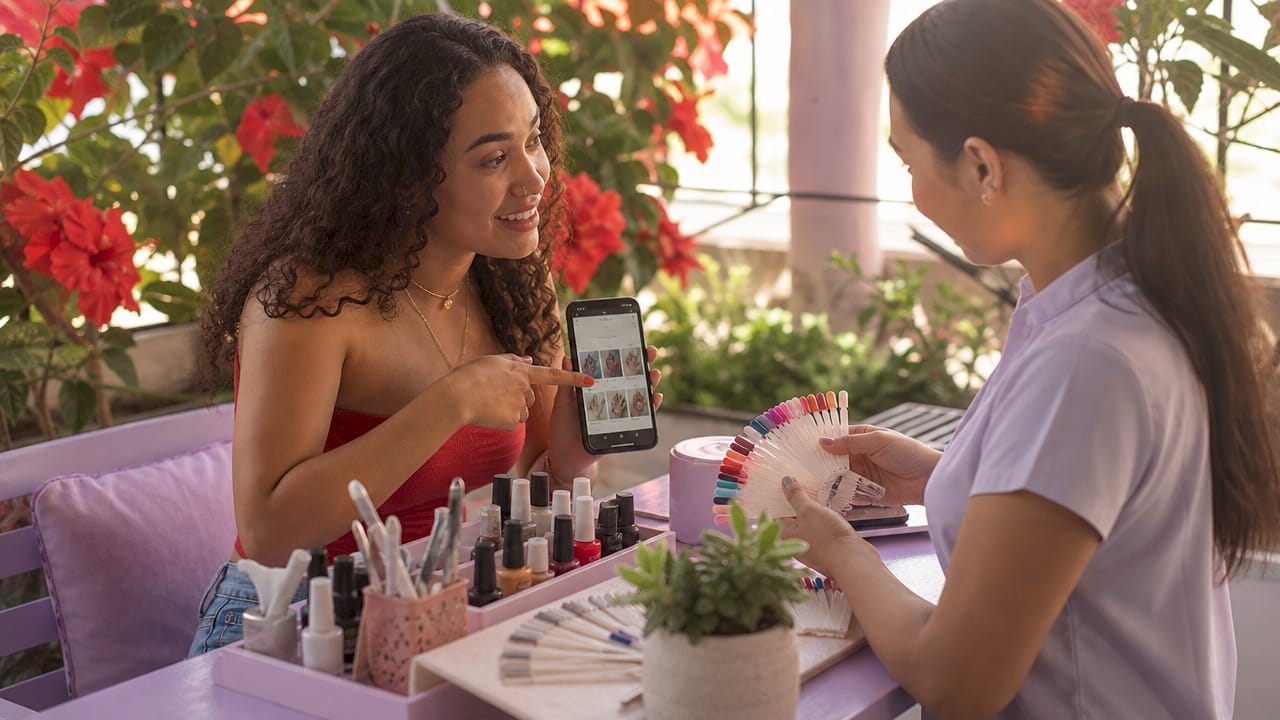
Communicating your nail art inspiration to a technician is the single most important step between a photo on your phone and a design you love on your hands. Most clients assume a good photo does all the work. It does not. Nail technicians need verbal specifics covering color, finish, and placement to accurately execute any design. This article gives you the exact framework, scripts, and appointment habits to translate your nail art inspo into consistent, satisfying results every time.
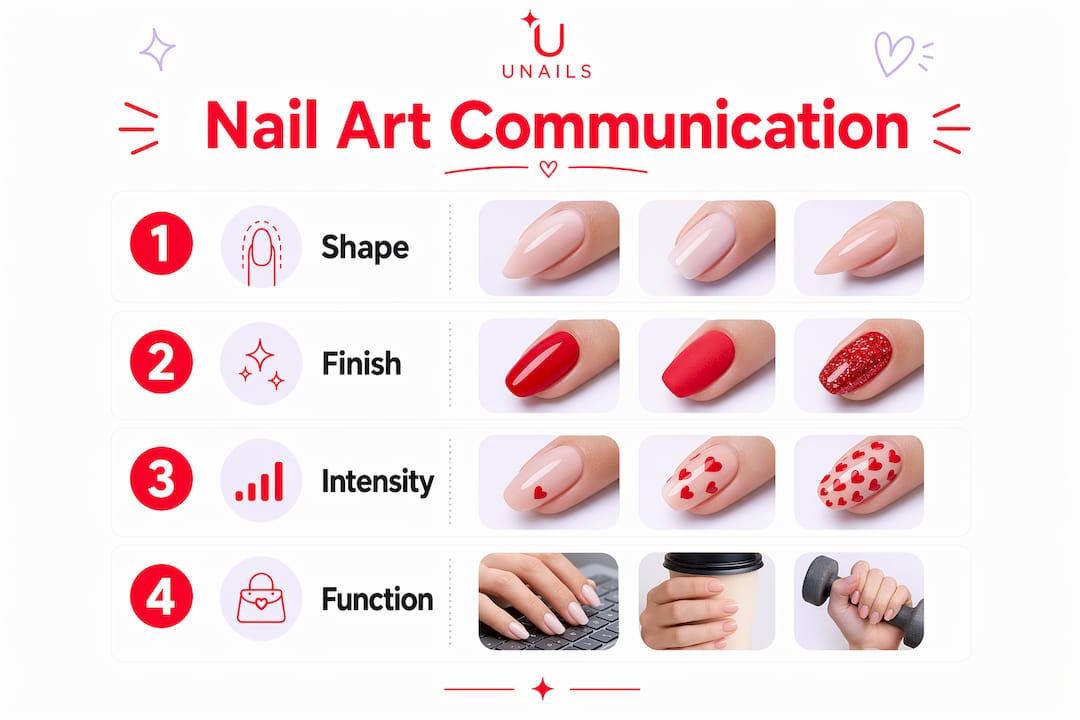
What are the four core elements to communicate with your technician?
Clear communication covering shape, finish, art intensity, and functional goals is the foundation of every successful manicure. Specifying all four elements before your technician begins eliminates guesswork and prevents the most common source of salon disappointment. Skipping even one of these creates room for misinterpretation.
Shape
Nail shape is more specific than most clients realize. “Almond” is not one shape. A narrow almond sits closer to a stiletto, while a wide almond looks rounder and softer. The same applies to coffin nails, where length and width ratio change the entire look. Use reference photos alongside shape names, and always confirm the technician is seeing the same version of the shape you have in mind.
Finish
Finish defines the surface texture of your nails and changes the mood of any design. The four most common finishes are glossy, matte, sheer, and opaque. A glossy top coat on a minimalist nude looks polished and clean. A matte finish on the same color reads edgier and more modern. Specify your finish preference before any color is applied, not after.
Art intensity
Art intensity describes how much decoration you want, from a single accent nail to full 3D sculptural designs. Celebrity nail artist Julie Kandalec notes that 2026 nail trends favor maximalist, layered, and 3D textures. Those designs require far more detailed upfront communication than a simple French tip. Tell your technician whether you want minimal accents, mid-level nail art on two or three fingers, or a full maximalist set.
Functional goals
Your lifestyle shapes what service you actually need. A client who types all day needs a shorter, durable enhancement. Someone attending a wedding wants something that photographs well. Proactive openness about nail health and lifestyle requirements helps your technician recommend the right product, whether that is gel, SNS dipping, or a standard polish.
Shape: Name the shape and confirm the width and length ratio with a photo.
Finish: Choose glossy, matte, sheer, or opaque before color is applied.
Art intensity: Specify minimal, moderate, or maximal decoration upfront.
Functional goal: Share your lifestyle needs so the technician can recommend the right service.
Pro Tip: Write these four elements on your phone’s notes app before your appointment. Read them out loud to your technician at the start of the visit.
How to prepare nail art inspo your technician can actually use
High-quality reference images and a short verbal script are the two tools that separate a great appointment from a frustrating one. Providing high-resolution reference images allows technicians to see fine details that are invisible in blurry screenshots. A 4K photo of a cross nail design, for example, shows the exact thickness of the chrome lines and the placement on each finger. A low-resolution screenshot shows almost nothing useful.
Grouping your preferences into a short, clear script is equally powerful. Concise copy-paste scripts for technicians reduce appointment time and improve satisfaction. The goal is to hand your technician a description they can follow without asking five follow-up questions.
Here is how to build a script that works:
State the service type first. “I want a gel-X set” or “I want SNS dipping with nail art on top” tells the technician what products to prepare before anything else.
Describe the base. “Soft beige, sheer finish, opaque coverage” gives a complete picture of the foundation.
Specify the art. “Silver chrome cross on the ring finger, thin lines only, no 3D elements” is clear and executable.
Name the shape and length. “Medium coffin, not too long, about 2cm past the fingertip” removes all ambiguity.
Add any constraints. “No glitter, no red tones, nothing too bold” saves time and prevents unwanted surprises.
Vague request | Clear script version |
“Something natural looking” | “Sheer nude, glossy finish, no art, short oval shape” |
“Cross nails like I saw on Instagram” | “Silver gel chrome cross on ring finger, matte base, medium almond” |
“Quiet luxury vibes” | “Greige or soft taupe, opaque, matte top coat, no art, medium coffin” |
“Something fun for summer” | “Coral base, glossy, floral accent on two fingers, short square” |
Pro Tip: Save your script as a note on your phone and show it to your technician alongside your reference photo. You can reuse and adjust it for every appointment.
Vague terms like “do whatever looks best” are the most common cause of disappointment. Telling a technician to do whatever looks best produces a coin-flip outcome rather than a personalized design. Your technician is skilled, but they are not a mind reader.
What are best practices during the appointment to stay on track?
The appointment itself is a conversation, not a silent transaction. Successful manicures are collaborative and require feedback at key stages. Staying engaged throughout the process is how you catch small issues before they become permanent ones.
“Give feedback after the base coat and again after the first color layer. Those are the two moments when corrections are easiest and least disruptive.” — Manicurist Lois Elias
The best clients speak up early and politely. Here is what to check at each stage:
After prep and base coat: Confirm the nail shape looks right. Length corrections are much easier before any color goes on.
After the first color layer: Check that the shade matches your reference. Colors look different wet versus dry, so ask your technician to show you before the second coat.
During art application: Watch the placement of any accent designs. If a cross or floral element is landing on the wrong finger, say so immediately.
Before the top coat: This is your last chance to adjust anything. Once the top coat is sealed, changes require removal.
Being open to your technician’s professional advice is not the same as giving up control. Open dialogue about nail health prevents damage and improves outcomes. If your technician recommends a shorter length because your natural nails are thin, that advice protects your result. Treat it as collaboration, not criticism.
What common communication mistakes cause the most dissatisfaction?
Most salon disappointments trace back to one of five predictable mistakes. Recognizing them before your appointment is the fastest way to avoid them.
Relying on a photo alone. Technicians struggle with vague photos and need verbal descriptions of base color, finish, and placement to execute accurately. A photo is a starting point, not a complete brief.
Skipping the service type. Saying “I want nail art” without specifying gel, acrylic, SNS, or dip powder leaves the technician guessing about products and timing.
Using open-ended instructions. “Do whatever looks best” or “surprise me” removes your input from the process entirely. The result reflects the technician’s taste, not yours.
Ignoring allergies and sensitivities. Failing to mention known reactions to acrylics, certain gel brands, or nail primers before the service starts is a health risk. Always disclose this upfront.
Booking inconsistently. Booking with the same technician consistently leads to higher satisfaction and fewer disappointments over time. A technician who knows your nail history, preferences, and lifestyle delivers better results than starting fresh every visit.
Nail technicians value clients who arrive prepared with clear service requests, reference photos, and shape vocabulary. That preparation signals respect for the technician’s time and dramatically increases the chance of a result you love. Check your salon visit checklist before every appointment to make sure you have covered every detail.
Key takeaways
Clear communication covering shape, finish, art intensity, and functional goals is the most reliable way to get the nail art result you want every time.
Point | Details |
Specify all four elements | Cover shape, finish, art intensity, and lifestyle goals before the technician starts. |
Use high-resolution photos | 4K reference images let technicians see fine details that blurry screenshots hide. |
Build a copy-paste script | A short, specific verbal script reduces appointment time and prevents misunderstandings. |
Give feedback at key stages | Check shape after prep, color after the first coat, and art placement before the top coat. |
Book with the same technician | Consistent appointments build trust and produce better results over time. |
What I have learned from treating every appointment as a collaboration
The biggest shift in my nail appointments came when I stopped treating them as a drop-off service. I used to hand over a photo, sit quietly, and hope for the best. The results were inconsistent at best. Once I started showing up with a written script alongside my reference image, the entire dynamic changed.
The script does not need to be long. Three or four sentences covering service type, base color, finish, and any art details is enough. What matters is that it removes the guesswork entirely. Technicians are skilled professionals, and giving them clear information lets them focus on execution rather than interpretation.
I have also learned to stay engaged during the appointment without being overbearing. Checking in after the base coat and again after the first color layer takes about 30 seconds each time. Those two check-ins have saved me from walking out with the wrong shade more times than I can count.
The most underrated advice I can give is to find one technician you trust and stick with them. A technician who has done your nails four or five times knows your nail shape, your preferences, and your lifestyle. That relationship is worth more than chasing whoever has the most viral designs on Instagram. For creative nail designs that actually suit your hands and habits, consistency with one skilled technician beats variety every time.
— MinhHieu
Nail art at Bradentonnails: where your inspo becomes reality
Bradentonnails at TJ Nails in Bradenton, FL, is staffed by skilled technicians who know how to work from clear client briefs. Whether you are bringing in a detailed script for a 3D maximalist set or a simple request for a quiet luxury matte finish, the team is equipped to execute it.
The salon offers gel, SNS dipping, nail enhancements, and custom nail art across a range of styles from minimal to bold. Flexible hours including Sundays make it easy to book when it works for you. Visit the Bradentonnails salon page to book your appointment and bring your nail art vision to life with a technician who listens.
FAQ
What should I tell my nail technician before the appointment?
Tell your technician the service type, nail shape, base color, finish, and art intensity before they begin. Arriving prepared with clear requests and a reference photo produces the most consistent results.
Is showing a photo enough to communicate my nail art idea?
A photo alone is not enough. Technicians need verbal descriptions of base color, finish, and placement alongside any reference image to execute a design accurately.
How do I describe nail art intensity to my technician?
Tell your technician whether you want minimal accents, art on two or three fingers, or a full maximalist set. Being specific about which fingers get art and what type prevents placement errors.
What is the best way to give feedback during a nail appointment?
Check the shape after prep, the color after the first coat, and art placement before the top coat is applied. These three moments are the easiest points for corrections.
Why does booking with the same technician matter?
Consistent appointments with the same technician build a working relationship where the technician already knows your preferences, nail health, and lifestyle. That familiarity leads to better results with less explanation each visit.
Recommended
Comments