
What Is a No-Chip Manicure? Benefits and Care Tips
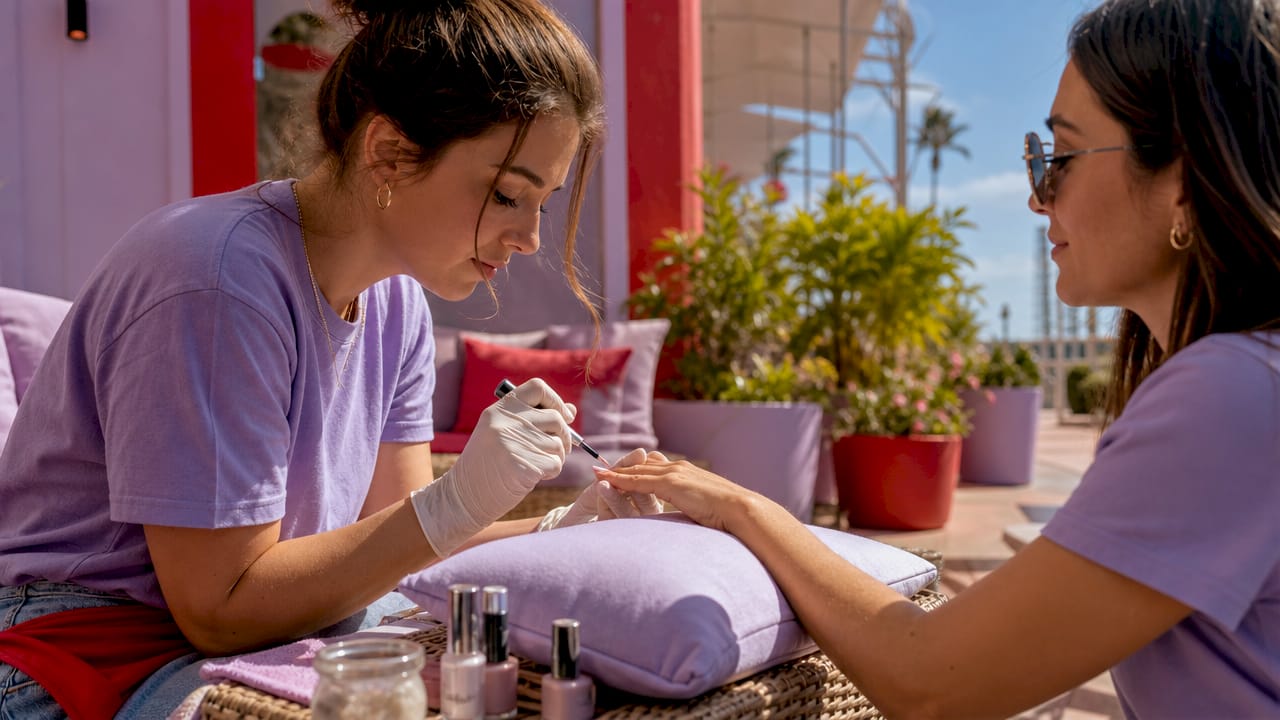
A no-chip manicure is a gel-based nail polish treatment cured under LED or UV light to create a hard, glossy finish that resists chipping for 2 to 3 weeks, compared to just 3–5 days for traditional polish. The industry standard term is gel manicure, but “no-chip” is the popular shorthand used widely in salons across the United States, including at Bradentonnails in Bradenton, FL. The treatment appeals to anyone who wants polished, vibrant nails without constant touch-ups. Brands like OPI, Essie Gel Couture, and CND Shellac all offer gel formulas built on this same curing technology.
What is a no-chip manicure and how is it applied?
A no-chip manicure follows a precise, layered application process that sets it apart from regular polish. Each step builds on the last, and the curing lamp is what locks everything in place.
Nail preparation. The technician shapes your nails, pushes back cuticles, and lightly buffs the nail surface. This step removes oils and creates a texture the gel can grip.
Base coat application. A thin gel base coat goes on first and gets cured under an LED or UV lamp for 30–60 seconds.
Color coats. Two thin color coats follow, each cured separately. Thin layers cure more evenly and last longer than one thick coat.
Top coat. A gel top coat seals the color and adds the signature high-gloss finish. It also gets cured for 30–60 seconds per coat.
Cleanse. The technician wipes away any sticky residue with a cleanser, revealing a dry, shiny finish immediately.
The entire appointment typically runs 45–60 minutes. You walk out with nails that are completely dry. That zero-drying-time finish is one of the biggest practical advantages over traditional polish, which can smear for up to an hour after application.
Professional salon services typically cost $30–$60 per appointment. DIY gel kits run $8–$20, though they require purchasing a curing lamp separately and demand more practice to apply evenly.
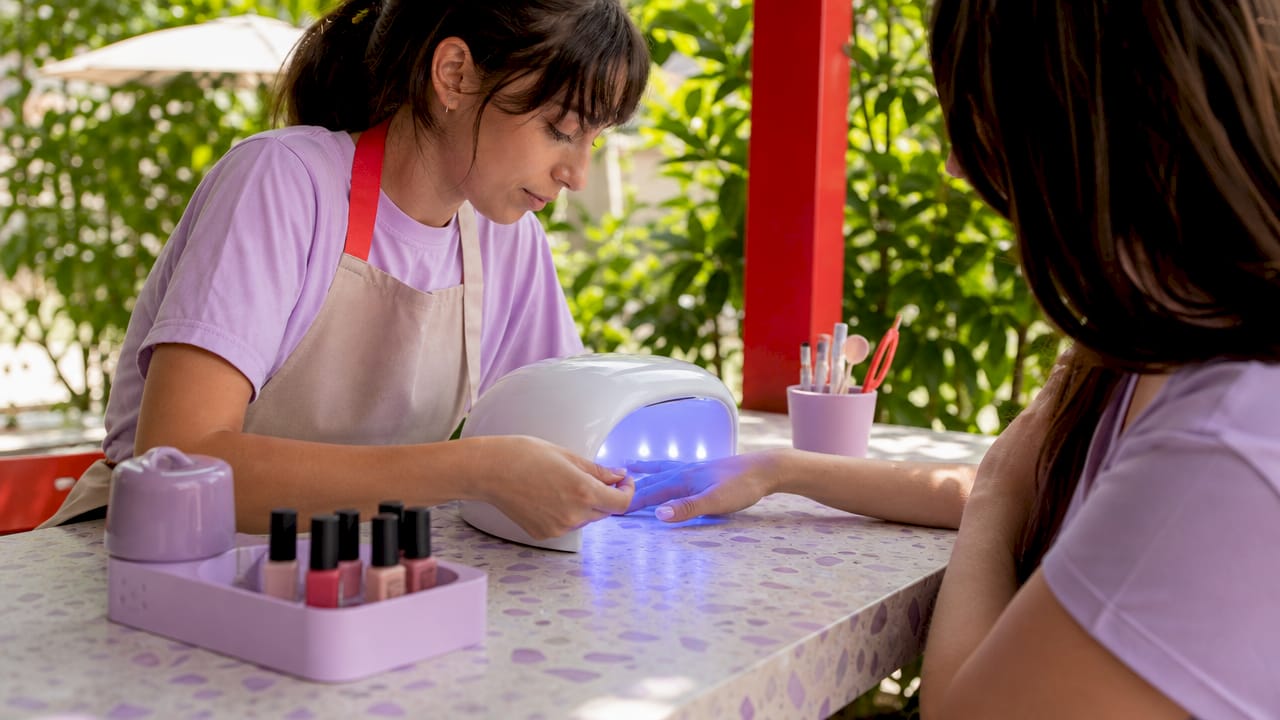
Pro Tip: Ask your technician to use an LED lamp rather than a traditional UV lamp. LED lamps cure faster, in about 30 seconds per coat, and emit lower UV exposure, which is better for your skin over repeated visits.
No-chip manicure benefits vs. regular polish, acrylics, and dip powder
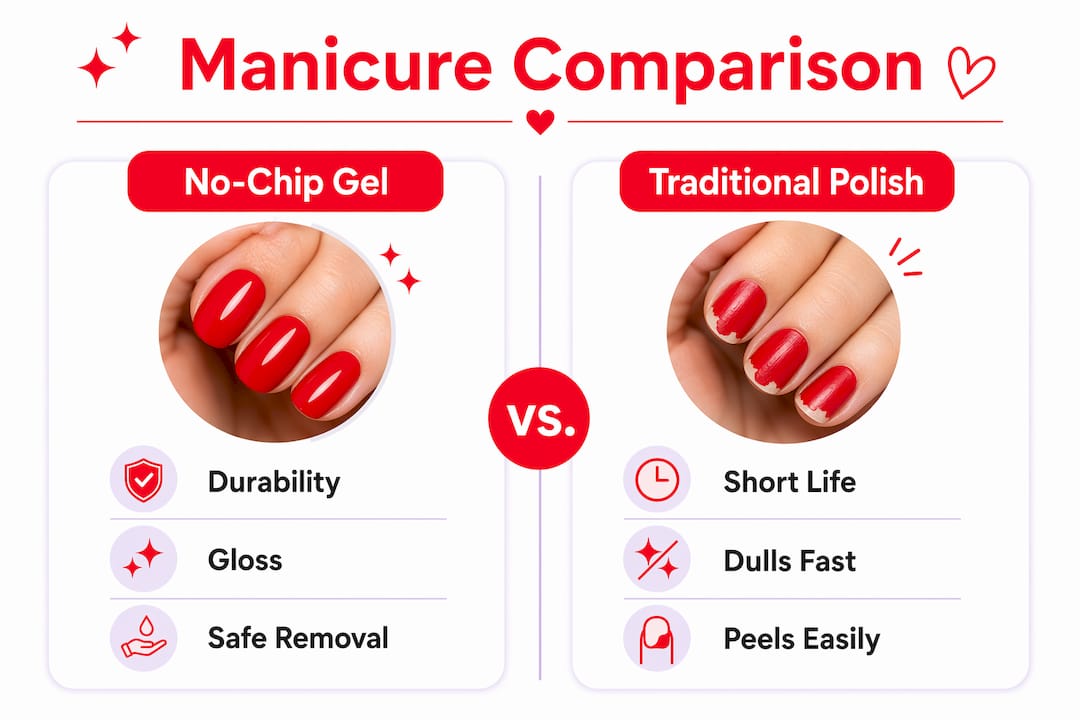
The core advantage of a gel manicure over traditional polish is durability. Regular polish lasts 3–5 days before chipping. A no-chip manicure holds for 2–3 weeks without visible wear. That difference matters if you work with your hands, travel frequently, or simply want low-maintenance nails.
Beyond longevity, the color stays more vibrant. Gel formulas do not oxidize or dull the way air-dried polish does. The finish stays glossy from day one through week two.
Feature | No-chip (gel) manicure | Regular polish | Acrylic nails | Dip powder |
Durability | 2–3 weeks | 3–5 days | 3–4 weeks | 3–4 weeks |
Finish | High gloss | Moderate gloss | Matte or gloss | Matte or gloss |
Application dust | None | None | Yes (filing) | Minimal |
Removal method | Soak-off acetone | Polish remover | Filing + acetone | Soak-off acetone |
Nail thickness added | Minimal | None | Significant | Moderate |
Best for | Natural nail wearers | Short-term color | Length and strength | Durability without gel |
Compared to acrylics, gel manicures add almost no thickness to the natural nail. Acrylic application involves filing and dust that can irritate the nail bed. Gel sits lighter and feels more natural.
Dip powder and gel manicures are close competitors in durability. Dip powder tends to add more thickness, which some clients find uncomfortable as the nail grows. Gel stays flexible with the nail’s natural movement, reducing the risk of snagging.
Gel manicures suit clients who want color without added length or bulk.
Acrylics work better when you need structural support or significant length.
Dip powder is a strong option if you want extra durability without a UV curing step.
Regular polish is the right call for short-term color changes or nail health recovery periods.
How to protect your nails with a no-chip manicure
The biggest risk with gel manicures is not the product itself. Damage comes from improper removal or poor prep technique, not from the gel formula. Knowing how to care for your nails between appointments protects your natural nail plate.
Never peel or pick off gel polish. Peeling strips the nail plate and causes thinning and brittleness that takes weeks to recover from. Always soak off gel with acetone, either at a salon or carefully at home using foil wraps.
Key care habits that extend your manicure and protect nail health:
Apply cuticle oil daily. Regular cuticle oil application keeps the nail flexible and prevents the gel from lifting or cracking as the nail grows.
Wear gloves for cleaning and dishwashing. Frequent water exposure weakens the bond between gel and nail, causing premature lifting.
Avoid using your nails as tools. Opening cans or scraping surfaces puts direct stress on the gel edge and causes chips.
Apply hand sunscreen before curing. Sunscreen before UV exposure during the curing process reduces skin damage risk, especially for clients who get manicures every few weeks.
Schedule removal within 3–4 weeks. After four weeks, natural nail growth creates uneven weight distribution that leads to snagging and potential nail breaks.
Taking a break between gel manicure sessions gives your natural nail time to recover. Periodic nail health breaks between sessions are the most effective way to prevent long-term thinning from repeated gel wear.
Pro Tip: Between appointments, follow a nail care routine that includes daily cuticle oil, gentle hand moisturizer, and avoiding prolonged soaking in water. These three habits alone significantly extend how long your gel manicure looks fresh.
No-chip manicure vs. gel: are they the same thing?
The terms “no-chip manicure” and “gel manicure” refer to the same product category. Both describe a gel-based polish cured under a lamp. The name “no-chip” is a marketing term popularized by salons to emphasize the chip-resistant result.
Shellac, made by CND, is a specific hybrid formula that blends gel and traditional nail polish. It behaves like gel in terms of curing and durability but is thinner and more flexible. Shellac functions as a hybrid gel-polish formula and is always a soft gel, meaning it soaks off with acetone.
Type | Formula | Removal | Durability |
No-chip (gel) manicure | Soft gel polish | Soak-off acetone | 2–3 weeks |
Shellac (CND) | Hybrid gel-polish | Soak-off acetone | 2–3 weeks |
Hard gel | Thick gel | Filing only | 3–4 weeks |
Soft gel extensions | Soft gel over form | Soak-off acetone | 2–3 weeks |
Soft gel polishes allow soak-off removal, while hard gels require filing down, which carries more risk for the natural nail. Most standard no-chip manicures use soft gel, making them the safer and more client-friendly option.
At-home gel kits from brands like Sally Hansen and Beetles Gel Polish replicate the salon process. They work, but the results depend heavily on prep quality and lamp strength. A professional technician controls prep, layer thickness, and curing time with more consistency than most at-home setups allow. If you want to choose the right manicure style for your lifestyle, understanding these differences is the starting point.
Key Takeaways
A no-chip manicure is a soft gel polish cured under LED or UV light that lasts 2–3 weeks, and proper removal by a skilled technician is the single most important factor in keeping your natural nails healthy.
Point | Details |
Definition and durability | Gel polish cured under LED/UV light lasts 2–3 weeks versus 3–5 days for regular polish. |
Application process | Base coat, two color coats, and top coat are each cured 30–60 seconds for an instant dry finish. |
Safe removal is non-negotiable | Always soak off with acetone. Peeling strips the nail plate and causes lasting damage. |
LED lamps are the better choice | LED lamps cure faster and emit less UV than traditional UV lamps, reducing skin exposure. |
Nail health breaks matter | Taking periodic breaks between gel sessions prevents long-term nail thinning and brittleness. |
What I have learned after years of watching gel manicures go wrong
Most nail damage I see comes from one moment: the removal. Clients who peel their gel polish off at home because they are impatient or want to switch colors early are the ones who come back with thin, peeling nails. The gel itself is not the problem. The shortcut is.
The second pattern I notice is clients skipping cuticle oil because they think it is optional. It is not. Gel creates a sealed surface that blocks moisture from reaching the nail. Without daily cuticle oil, the nail becomes brittle under the gel, and you do not notice until the gel comes off and the damage is already done.
Technician skill matters more than the brand of gel used. A well-prepped nail with a clean base coat application will outlast an expensive gel applied over oily, unprepped nails every time. When you are choosing a salon, watch how the technician handles prep. That five-minute step determines whether your manicure lasts ten days or three weeks.
My honest advice for anyone new to gel manicures: start with a professional service, learn what proper prep and removal look like, and then decide if at-home kits make sense for you. Skipping the learning curve costs more in nail repair than it saves in salon fees.
— MinhHieu
Professional no-chip manicures at Bradentonnails in Bradenton
Bradentonnails at TJ Nails Spa in Bradenton, FL offers professional gel manicure services with skilled technicians who handle every step correctly, from nail prep through safe soak-off removal.

The team at Bradentonnails uses quality gel products and LED curing lamps to deliver a long-lasting, high-gloss finish that protects your natural nails. Whether you are new to gel manicures or a regular client looking for a reliable local salon, book your appointment online and experience the difference that proper technique makes. The salon is open seven days a week, including Sundays, with flexible hours to fit your schedule.
FAQ
How long does a no-chip manicure last?
A no-chip manicure lasts 2–3 weeks with proper care. Frequent water exposure or manual tasks can shorten that window.
Is a no-chip manicure the same as gel polish?
Yes. “No-chip manicure” is a popular salon term for a standard gel polish manicure cured under LED or UV light.
Is a no-chip manicure safe for your nails?
Gel manicures are safe when applied and removed correctly. The main risk comes from peeling off the polish, which strips the nail plate and causes thinning.
Can you do a no-chip manicure at home?
At-home gel kits from brands like Sally Hansen and Beetles Gel Polish make DIY application possible, but professional results depend on proper prep and a quality curing lamp.
How do you remove a no-chip manicure without damage?
Soak cotton pads in acetone, place them on each nail, wrap with foil, and wait 10–15 minutes before gently sliding the gel off. Never scrape or peel.
Recommended
Comments