
Walking-Friendly Pedicure: What Active Feet Need in 2026
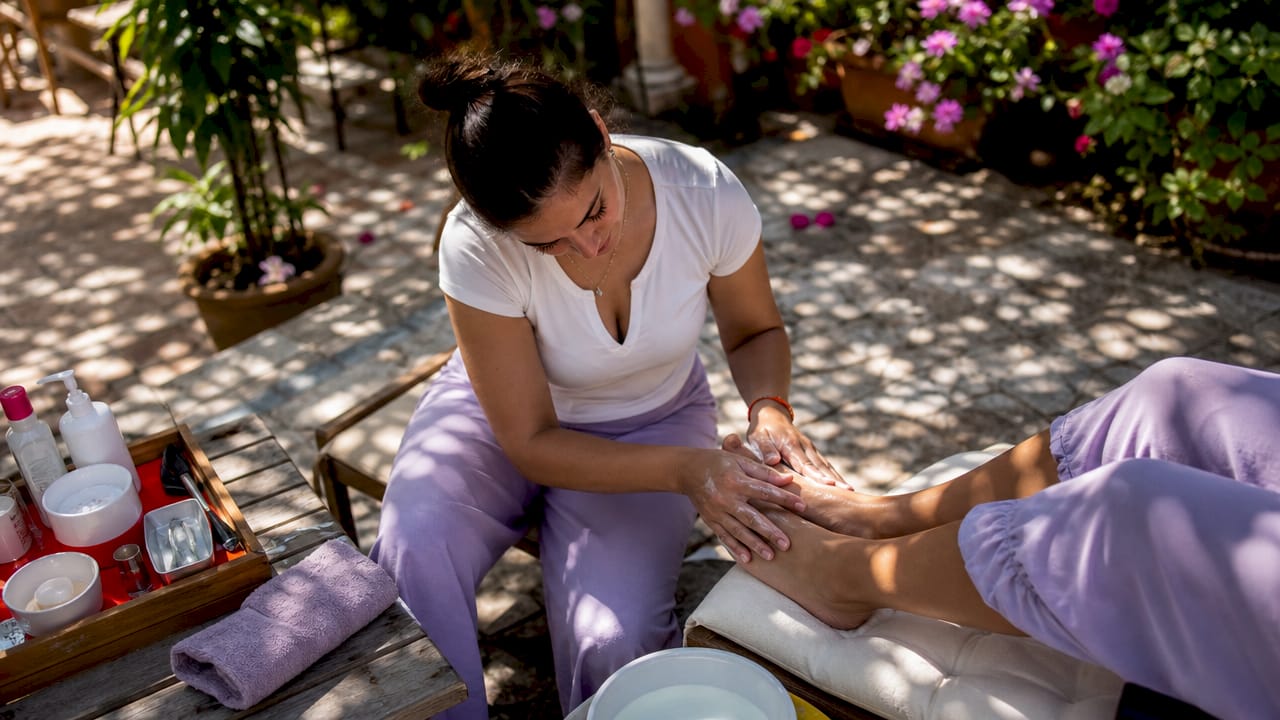
A walking-friendly pedicure is a foot care treatment designed to support comfortable, functional walking by addressing nail shape, callus buildup, skin condition, and circulation. Unlike a standard cosmetic pedicure, it prioritizes foot biomechanics and pressure management over color and aesthetics. Walkers, hikers, nurses, teachers, and anyone who spends hours on their feet benefit most from this approach. The industry term you’ll hear from podiatrists is a “functional pedicure,” and both terms describe the same goal: feet that perform well, not just look good.
What is a walking-friendly pedicure and what makes it different?
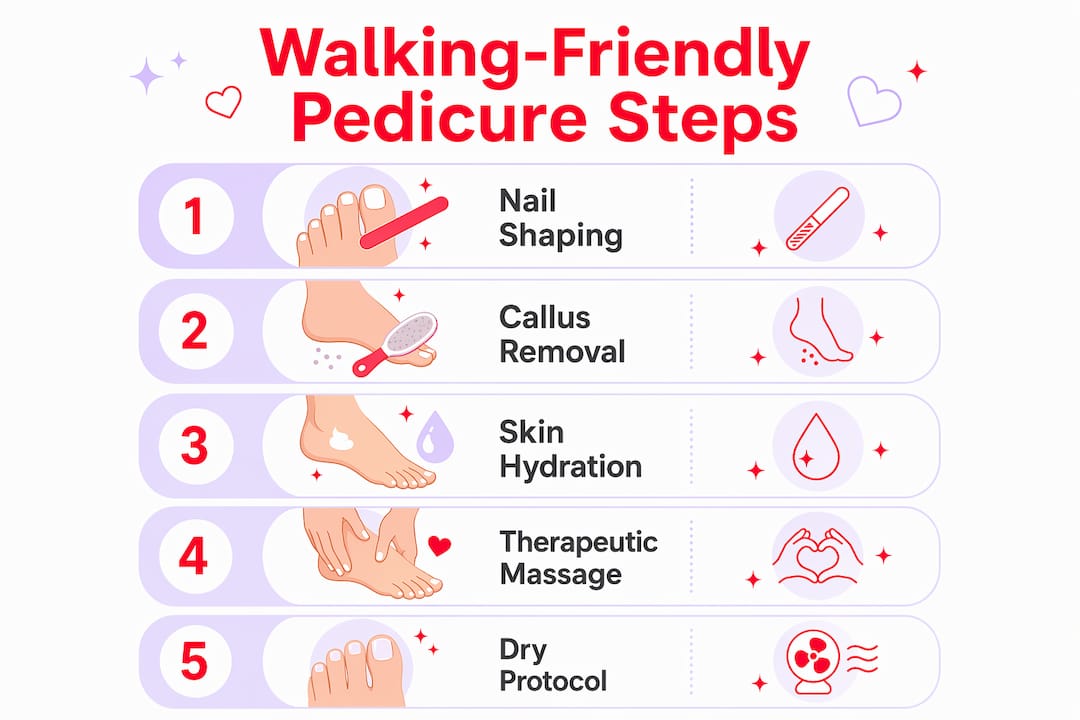
A walking-friendly pedicure focuses on four core elements: nail shaping, callus management, skin protection, and therapeutic massage. Each one directly affects how your feet feel inside a shoe after miles of walking.
Nail shaping for walking
Nail length and shape are the first things a skilled technician addresses. Proper nail length and rounding prevent painful pressure points when nails press against shoe liners during extended walking. A nail that is too long or cut with sharp corners creates friction against the toe box, which leads to bruising or ingrown toenails over time. The correct shape for active feet is a straight edge with slightly rounded corners, not the curved shape often used for cosmetic pedicures.
Callus and pressure point management
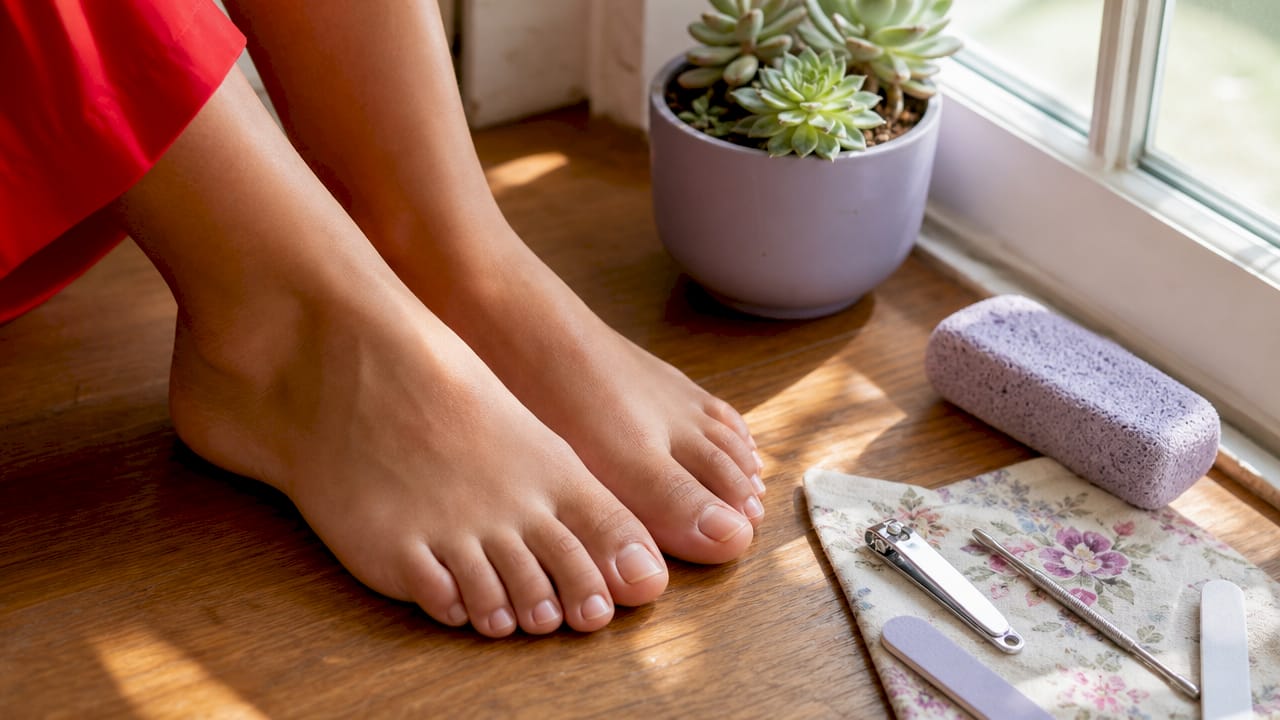
Calluses form where biomechanical pressure concentrates. A walking-friendly pedicure removes excess callus buildup to redistribute that pressure more evenly across the foot. Smoother skin and proper nail shape improve pressure distribution and reduce the hotspots that cause blisters and soreness. Technicians use files and callus removers rather than aggressive cutting tools, which preserves the protective layer of skin while removing the painful excess.
Skin care and moisture balance
Dry, cracked skin loses elasticity and tears under repetitive walking stress. A functional pedicure includes moisturizing treatments that restore skin flexibility, particularly around the heel and ball of the foot. Healthy skin absorbs impact better and resists friction more effectively than dry skin.
Therapeutic massage
Massage in pedicures improves blood circulation, reduces muscle tension, and aids lymphatic drainage. For active feet, this is not a luxury add-on. It reduces fatigue in the calf and arch, which directly affects how long you can walk comfortably.
Dry vs. water-based protocols
Dry pedicure procedures without prolonged soaking are preferred for active feet or those prone to fungal issues. Excess moisture from long foot baths can worsen fungal conditions that thrive in warm, damp environments. A walking-friendly pedicure often skips the extended soak in favor of a brief cleanse or a dry protocol entirely.
Pro Tip: Ask your technician to use a dry protocol if you walk frequently in closed shoes or athletic footwear. It reduces fungal risk and keeps the skin barrier intact.
How does a walking-friendly pedicure improve foot function?
The functional benefits of a proper pedicure go well beyond soft skin. They affect how your entire foot moves and loads weight with every step.
Professional pedicures reduce friction and pressure through callus removal and nail shaping, which rebalances pressure distribution across the foot. This matters because uneven pressure leads to compensatory gait changes. When one part of your foot hurts, you unconsciously shift weight elsewhere, which creates new pain points in the knee, hip, or lower back.
Calluses are the body’s response to repeated friction and pressure. The primary cause of painful calluses is biomechanical pressure, not moisture deficiency. Pedicures provide relief, but calluses return unless footwear and gait issues are also addressed. A walking-friendly pedicure gives you a clean baseline. Pairing it with supportive footwear keeps that baseline longer.
Skin elasticity also plays a direct role in comfort. Cracked heels and tight, dry skin reduce the foot’s ability to flex naturally during the push-off phase of walking. Moisturizing treatments restore that flexibility, which reduces micro-tears and soreness after long walks.
Foot issue | Effect on walking | How a functional pedicure helps |
Overgrown nails | Pressure against shoe liner, bruising | Trim and shape to correct length |
Excess callus | Uneven pressure, hotspots, blisters | Controlled removal to redistribute load |
Dry, cracked skin | Reduced flexibility, micro-tears | Moisturizing treatment restores elasticity |
Poor circulation | Fatigue, swelling, slow recovery | Massage improves blood flow and drainage |
Pedicure frequency should match your activity level. Low-activity individuals benefit from a pedicure every 5–6 weeks. Regular walkers need one every 4 weeks. High-impact lifestyles, including runners and people who stand all day for work, benefit from a visit every 3–4 weeks. More frequent care prevents issues from compounding between appointments.
Pro Tip: Schedule your pedicure two days before a long hike or walking event. Your feet will be at peak condition without the sensitivity that can follow fresh callus removal.
How does a walking-friendly pedicure compare to other types?
Not every pedicure serves the same purpose. Choosing the right type depends on what your feet actually need.
A spa pedicure focuses on relaxation and aesthetics. It typically includes a long foot soak, exfoliation, polish, and massage. The experience is pleasant, but the techniques prioritize appearance over foot function. Nail shaping follows cosmetic preferences rather than biomechanical ones. For someone who walks long distances regularly, a spa pedicure alone does not address the structural needs of their feet.
A medical pedicure, also called a medi-pedi, is a clinical treatment performed by a podiatry team. Medical pedicures use sterile instruments and follow OSHA and CDC standards for sterilization. They address conditions like diabetes-related foot complications, fungal infections, and neuropathy. Medical pedicure appointments typically last 15–45 minutes and are recommended every 4–8 weeks depending on foot health. This type is the right choice when a medical condition is present.
A walking-friendly pedicure sits between these two. It applies functional techniques from the medical approach, including dry protocols, precise nail shaping, and callus management, without requiring a clinical setting. It also incorporates the relaxation elements of a spa pedicure, like massage and moisturizing treatments. The result is a service that supports pedicure benefits for health and relaxation while keeping foot function as the primary goal.
The right choice depends on your situation. Active individuals without medical conditions get the most value from a walking-friendly or functional pedicure. Those with chronic foot conditions or diabetes should see a podiatry team for a medical pedicure. Spa pedicures work well as a supplement when your feet are already in good shape and you want relaxation.
Practical tips for maintaining walking-friendly foot care at home
A professional pedicure sets the foundation. What you do between appointments determines how long that foundation holds.
Trim nails straight across. Cut nails straight with a slight rounding at the corners. Never cut down the sides, which creates the conditions for ingrown toenails. Use a quality nail clipper, not scissors, for a clean edge.
Moisturize daily, especially the heels. Apply a urea-based foot cream or a thick moisturizer to the heels and ball of the foot each night. Urea softens hard skin without removing the protective layer. Consistent moisturizing between appointments extends the results of your last pedicure significantly.
Choose footwear that fits your foot shape. Shoes that are too narrow compress the toes and accelerate callus formation. Shoes with inadequate arch support shift pressure to the heel and ball of the foot. Supportive footwear is the single most effective way to slow callus recurrence between pedicures.
File rough spots gently once a week. Use a foot file or pumice stone on dry skin after a shower. Light, regular filing prevents callus buildup from reaching the point where it causes pain. Do not over-file. Removing too much skin leaves the foot vulnerable to friction injuries.
Know when to go back to a professional. Book a pedicure when you notice persistent heel cracks that do not respond to moisturizer, nail discoloration, thickening nails, or pain that changes how you walk. These are signs that at-home care is not enough. Your nail care routine between visits can extend results, but it does not replace professional attention when something changes.
Pedicures should also serve as a regular check-in for foot health. Pedicures are vital for early detection of infections and biomechanical issues. A trained technician will notice changes in nail color, skin texture, or pressure patterns that you might miss on your own.
Key takeaways
A walking-friendly pedicure is the most effective foot care choice for active individuals because it addresses nail shape, callus pressure, skin elasticity, and circulation as a single, connected system.
Point | Details |
Nail shape matters for walking | Straight nails with rounded corners prevent pressure and ingrown toenails in closed shoes. |
Callus removal redistributes pressure | Controlled callus reduction reduces hotspots and lowers the risk of blisters and gait compensation. |
Dry protocols protect active feet | Skipping prolonged foot soaks reduces fungal risk for people who walk in closed footwear regularly. |
Frequency should match activity level | Regular walkers benefit most from a pedicure every 4 weeks; high-impact lifestyles every 3–4 weeks. |
At-home care extends results | Daily moisturizing, straight nail trimming, and supportive footwear slow callus recurrence between visits. |
Why I think most walkers are getting the wrong pedicure
Most active people I’ve worked with come in asking for a spa pedicure because that’s what they know. They want the soak, the polish, and the relaxation. What they actually need is a functional approach that treats their feet like the load-bearing tools they are.
The biggest misconception I see is that a pedicure is a reward you give yourself after your feet hurt. By that point, the callus is already causing gait changes, the nails are pressing into the shoe liner, and the skin is cracked enough to be painful. A walking-friendly pedicure works best as prevention, not recovery.
I’ve also noticed that people underestimate how much nail shape affects their daily comfort. A nail trimmed for aesthetics and a nail trimmed for walking are not the same cut. The difference shows up after mile three of a long walk, not in the salon chair.
The other thing worth saying plainly: pedicures are not just for people who care about how their feet look. They are maintenance for a body part that carries your full weight, every day, for decades. Treating them with the same regularity you’d treat any other joint or muscle group is not indulgent. It’s practical. If you walk for fitness, stand for work, or simply want your feet to last, a functional pedicure every 4 weeks is one of the most direct investments you can make in your mobility.
— MinhHieu
Bradentonnails and walking-friendly pedicure services in Bradenton
Bradentonnails, located in Bradenton, FL, offers professional pedicure services designed for clients who need more than a cosmetic treatment.

The team at Bradentonnails applies functional techniques including precise nail shaping, callus management, and therapeutic massage to support foot health for active clients. Sanitation standards are a priority at every appointment, with clean instruments and a hygienic environment that protects your feet rather than putting them at risk. Whether you walk for fitness, stand all day at work, or simply want feet that feel as good as they look, the pedicure services at Bradentonnails are built around your comfort and foot health. Book your appointment online and experience the difference a functional approach makes.
FAQ
What is a walking-friendly pedicure?
A walking-friendly pedicure is a foot care treatment that prioritizes nail shaping, callus management, skin hydration, and massage to improve comfort and function during walking. It applies functional techniques rather than focusing primarily on aesthetics.
How often should active walkers get a pedicure?
Regular walkers benefit from a pedicure every 4 weeks, while high-impact lifestyles like running or standing all day call for every 3–4 weeks. Low-activity individuals can go every 5–6 weeks.
What is the difference between a walking-friendly and a medical pedicure?
A medical pedicure is a clinical treatment performed by a podiatry team using sterile instruments, recommended for conditions like diabetes or fungal infections. A walking-friendly pedicure applies functional techniques in a salon setting for healthy active feet without a medical diagnosis.
Does callus removal actually help with walking comfort?
Yes. Callus removal rebalances pressure distribution across the foot, reducing hotspots and friction inside shoes. Calluses return without addressing footwear or gait, so pairing pedicures with supportive shoes gives the longest-lasting relief.
Is a dry pedicure better for active feet?
Dry pedicure protocols are preferred for active feet because prolonged water soaking increases fungal risk, especially for people who regularly wear closed athletic footwear. A brief cleanse or fully dry approach protects the skin barrier while still delivering all functional benefits.
Recommended
Comments