
Your Nail Care Routine Between Salon Visits
Your nails tell a story between appointments. A chipped manicure on day three, peeling gel by week two, or dry cracked cuticles that undo even the most flawless salon work. Getting a solid nail care routine between salon visits right is less about expensive products and more about knowing which habits actually protect your nails. This guide breaks down exactly what works, from the tools worth owning to the daily moves that keep your manicure looking fresh for weeks instead of days.
Table of Contents
Key takeaways
Point | Details |
Hydration is non-negotiable | Apply cuticle oil daily to prevent brittleness and premature lifting, especially with gel manicures. |
Protection prevents damage | Wearing gloves during wet or chemical chores is one of the single most effective nail-saving habits. |
Gentle beats aggressive | Never cut cuticles or peel polish. Push cuticles back gently and file with a glass or crystal file. |
Consistency wins | A two-minute daily routine beats an elaborate weekly one every time when it comes to manicure longevity. |
Water is the hidden enemy | Nails absorb water and weaken from repeated swelling. Limiting water exposure extends polish life significantly. |
1. Your nail care routine between salon visits starts with hydration
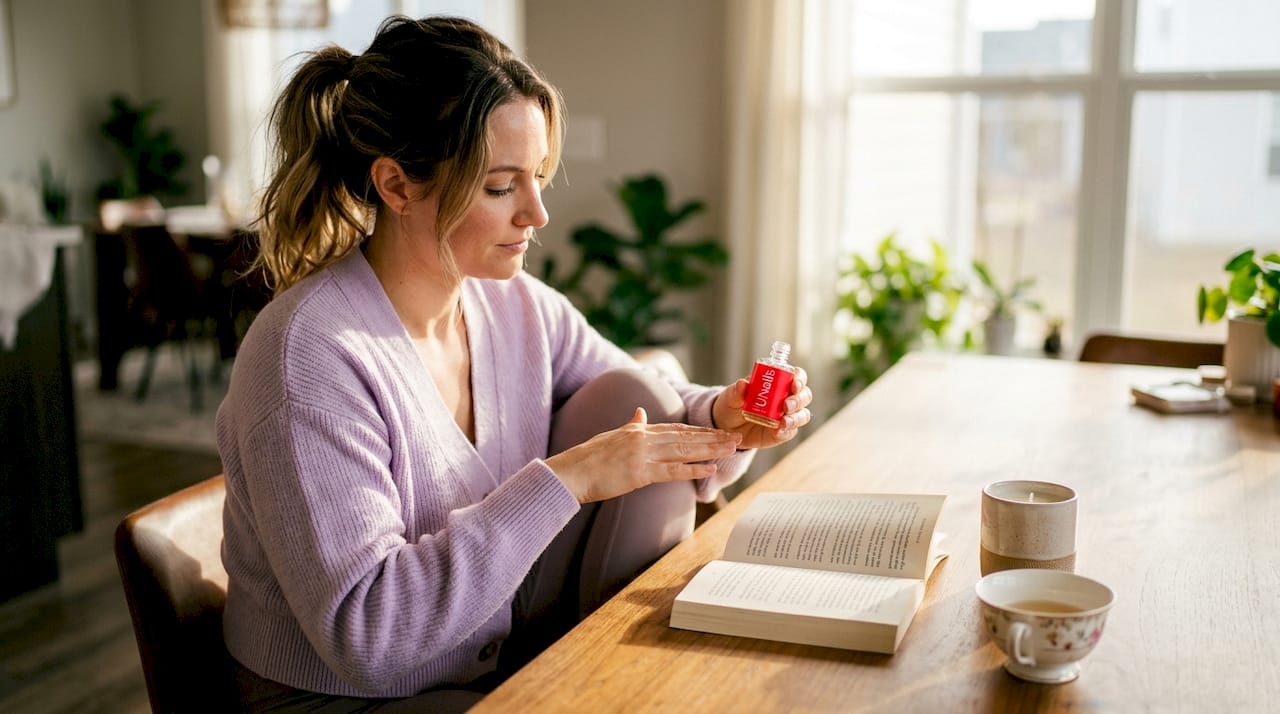
If you only do one thing between manicures, make it this: moisturize your nails and cuticles every single day. Daily cuticle oil application maintains nail flexibility and prevents lifting, particularly with gel nails. Dry, brittle nails are the number one cause of premature lifting and breakage, and it happens faster than most people expect.
Cuticle oils rich in jojoba and vitamin E are the gold standard because they penetrate the nail plate rather than just sitting on top. Apply a drop to each nail and massage it in, working it into the cuticle and the surrounding skin. The best times? Right after a shower when your skin is soft, and just before bed so the oil absorbs overnight.
Pro Tip: Before bed, apply a generous amount of cuticle oil, then follow it with a hand cream and put on a pair of thin cotton gloves. This overnight treatment does more for your nail health than most products sold specifically for nail repair.
2. Protect your nails from water damage
Most people know water is hard on nails, but the scale of the problem is surprising. Nails absorb water up to 1,000 times more readily than skin, which causes the nail plate to expand and then contract as it dries. Repeat this cycle enough times and you get weakness, breakage, and lifting polish.
This matters most when you are doing dishes, washing clothes by hand, or cleaning the bathroom. The practical fix is simple: keep a pair of rubber gloves near the sink. Glove use blocks water and chemicals from reaching the nail plate entirely, which means your manicure lasts noticeably longer without you doing anything extra.
The other place water does real damage is in the first 24 hours after a gel manicure. Experts recommend waiting 24 hours after gel application before exposing nails to hot water, steam, or soaking. That post-salon bath or long hot shower can compromise the gel bond before it fully settles.
3. Handle your cuticles the right way
The cuticle is not just dead skin waiting to be trimmed. It is a protective barrier that shields the nail matrix from bacteria and infection. Cutting it removes that barrier and raises infection risks that can lead to lasting nail damage. This is one of those habits that feels productive but actually works against you.
The right approach is to push cuticles back gently after a warm shower when the skin is soft. Use a rubber-tipped cuticle pusher or even a washcloth. You get the clean look without the damage. A well-hydrated cuticle will naturally stay flat and tidy without ever needing to be cut.
If your cuticles are cracked or peeling, apply a thick ointment like petroleum jelly or lanolin to the area before bed. The occlusive overnight treatment creates a humidity barrier that accelerates healing. Add cotton gloves over the top and you have a cuticle repair routine that works while you sleep.
4. File nails correctly to prevent breaks and splitting
How you file your nails matters more than people realize. Metal files are too aggressive for most nail types and can cause micro-tears at the nail edge, making splits and peeling far more likely. A glass or crystal file is the smarter choice for at-home use. Glass files seal nail edges as they smooth, which means less fraying and fewer breaks between appointments.
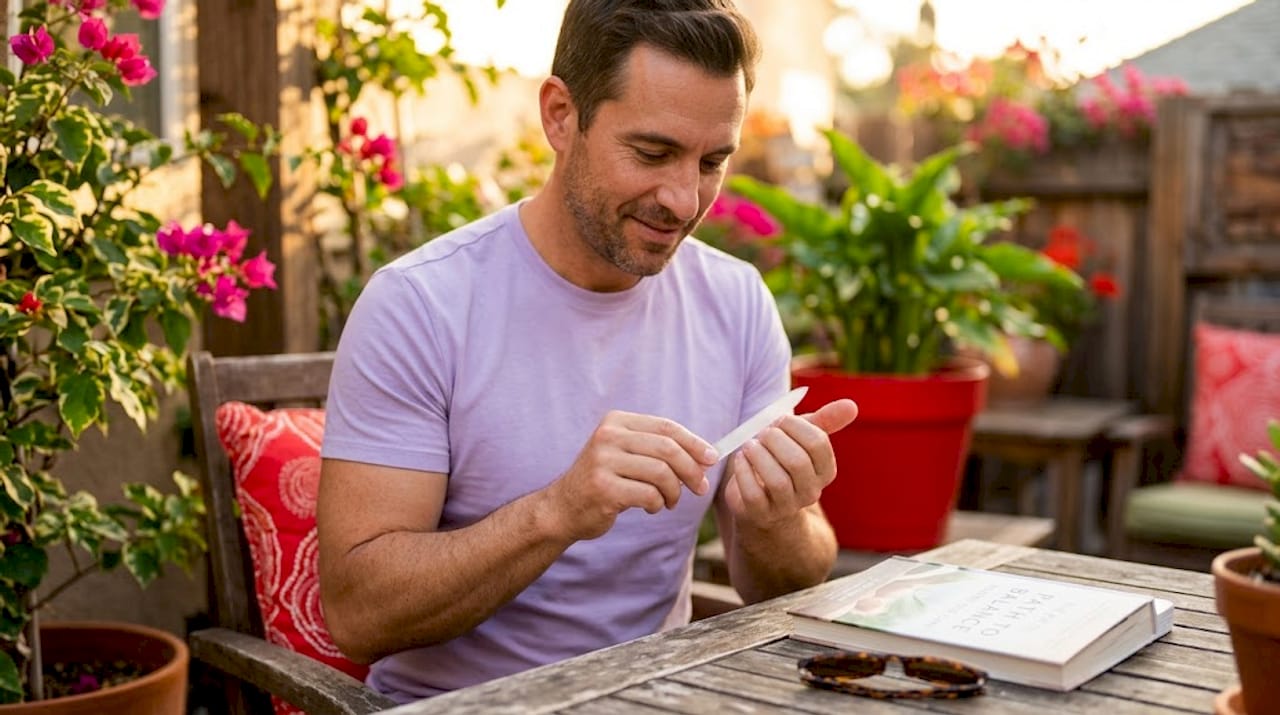
Always file in one direction rather than sawing back and forth. The back-and-forth motion creates heat and friction that weakens the nail tip over time. Shape nails in short, controlled strokes moving from the outer edge toward the center.
Pro Tip: Check your salon visit checklist for how professionals assess nail shape and damage. You can apply the same visual inspection at home to catch problems early.
5. Stop treating your nails as tools
This one sounds obvious but it is one of the most common reasons manicures chip prematurely. Daily habits like using nails as tools are a primary cause of polish chipping and lifting. Prying open lids, scraping stickers, picking at labels. All of it puts lateral stress on the nail plate that polish and gel are not designed to handle.
The mental shift is small but the payoff is real. Use a pen cap to press elevator buttons. Open cans with a tool, not a fingernail. Once you start noticing these moments, protecting your nails becomes automatic rather than effortful.
The same principle applies to peeling off polish. Picking or peeling gel or regular polish does not just remove the color. It pulls off layers of the actual nail plate with it, leaving nails thinner and weaker. If your polish is chipping, top-coat touch-ups or a visit to the salon for removal are your real options.
6. Apply a top coat to extend manicure life
A clear top coat is one of the cheapest and most effective tools in your at-home nail maintenance kit. Applying a fresh layer every two to three days seals the color underneath and adds a physical layer of protection against chips. It also refreshes the shine so your manicure looks newer for longer.
For regular polish, this is especially powerful in the first week after a salon visit when the polish is still curing and most vulnerable to damage. Look for a fast-dry formula so this does not feel like a production. Thirty seconds per hand, every few days, and your manicure can last up to a week longer.
7. Compare your tools and products before buying
Not all at-home nail care products deliver the same results. Here is how the most common options stack up:
Product | Best for | Budget option | Premium option |
Glass/crystal nail file | All nail types, sealing edges | Dollar store crystal file | Rido or Mont Bleu glass file |
Cuticle oil | Daily hydration, gel maintenance | Sweet almond oil | Jojoba and vitamin E blends |
Hand moisturizer | Surrounding skin, overall softness | Cetaphil lotion | La Mer or rich shea butter creams |
Occlusive ointment | Overnight cuticle repair | Vaseline petroleum jelly | Aquaphor healing ointment |
Rubber gloves | Wet chore protection | Generic dish gloves | Nitrile-lined household gloves |
A few points worth noting on this list:
Cuticle oils labeled “natural” are not automatically better. Check the ingredient list for jojoba, vitamin E, or almond oil as the first or second ingredient.
Emery boards are fine for shape maintenance but should not be your first choice for sealing nail edges.
Rich creams outperform thin lotions for people with chronically dry hands. Lotions evaporate faster and do less for the nail bed.
For deeper guidance on keeping nails moisturized, understanding the role of oils and creams makes a real difference in choosing what works for your skin and nail type.
8. Adjust your routine based on nail type and lifestyle
A one-size-fits-all approach does not work here. Your routine needs to reflect how you actually live and what your nails actually need.
For gel manicure wearers: The 24-hour water rule is non-negotiable. Beyond that, cuticle oil applied daily is your best defense against lifting at the edges. When it is time for removal, always have gel taken off by a professional. Peeling it yourself strips the nail plate and can cause damage that takes months to repair. Read more on safe gel removal before attempting anything at home.
For brittle or weak nails: Prioritize hydration and protection above everything else. Skip long soaks, avoid acetone-heavy removers, and take breaks between nail enhancements when possible. Apply cuticle oil twice a day instead of once.
For people with frequently wet hands: Gloves are your foundation. Add a barrier cream applied before dishwashing or cleaning for an extra layer of protection. Check for signs of nail damage or separation regularly since wet environments accelerate problems.
For nails that need a break: Going polish-free occasionally is healthy. It allows you to assess nail integrity visually, apply treatments directly to the nail plate, and give the nail a rest from adhesives and removers. Even two weeks without product a couple of times a year supports long-term nail health.
If you are dealing with cracking around the nail edges from chores or chemicals, the guidance on preventing nail breakage covers repair options worth knowing before damage gets worse.
What I have learned after years of watching nails
I have worked with enough clients to say this with full confidence: most people make nail care harder than it needs to be. They buy products, try treatments, and then skip the two habits that actually move the needle. Cuticle oil every day and gloves during chores. That is genuinely most of the battle.
The misconception I hear most often is that cuticle oil “messes up” gel nails or makes polish peel faster. The opposite is true. A dry nail plate is what causes lifting. Oils maintain the flexibility that keeps gel adhered and polish intact. The evidence on this is clear, and once clients start applying oil daily, their manicures consistently last longer.
The other thing nobody talks about: your nails reflect what is happening internally. Consistent hydration, enough protein, and good sleep show up in nail strength and growth. No product fixes what a depleted body cannot provide. So yes, use the oil and wear the gloves. But also drink water, eat well, and get rest. That combination beats any complicated routine.
Consistency is the real differentiator. Two minutes every night beats an elaborate Sunday ritual done inconsistently. The clients who come back to the salon with the best nail condition are rarely the ones with the most products. They are the ones who do the basics without skipping.
— MinhHieu
Keep your nails looking great with professional care in Bradenton
At-home care keeps your nails healthy between appointments, but professional services take results to a different level. Bradentonnails at TJ Nails Spa in Bradenton, FL, offers expert manicure services designed to maintain nail health while delivering the style you want.

Whether you prefer a classic polish finish or a longer-lasting option, the team at Bradentonnails uses techniques that set your nails up for a better at-home experience between visits. For clients who want maximum durability, SNS dipping services are a strong alternative to traditional gel, with less nail stress during removal. Book your next appointment through the Bradentonnails manicure page and pair your salon visits with the at-home routine above for the best results.
FAQ
How often should I apply cuticle oil between manicures?
Apply cuticle oil at least once daily, ideally after showering and before bed. For gel manicures or brittle nails, applying twice a day significantly improves flexibility and longevity.
Can I get my nails wet after a gel manicure?
Wait at least 24 hours after a gel manicure before exposing nails to hot water, steam, or prolonged soaking. The first 24 hours are critical for gel adhesion and premature water exposure can cause lifting.
What is the best nail file to use at home?
A glass or crystal file is the best choice for at-home use because it seals the nail edge as it smooths, reducing the risk of splits and peeling between salon visits. Avoid metal files, which are too aggressive for regular home use.
Should I cut my cuticles between salon visits?
No. Dermatologists advise against cutting cuticles because they act as a protective barrier against infection. Instead, gently push them back after a warm shower using a soft pusher or washcloth.
How do I prevent chipping between salon visits?
Apply a fresh layer of clear top coat every two to three days, avoid using nails as tools, wear gloves during wet chores, and keep nails hydrated with cuticle oil daily. These four habits address the most common causes of premature chipping.
Recommended
Comments