
What Is a Spa Pedicure? Benefits, Process, and Tips
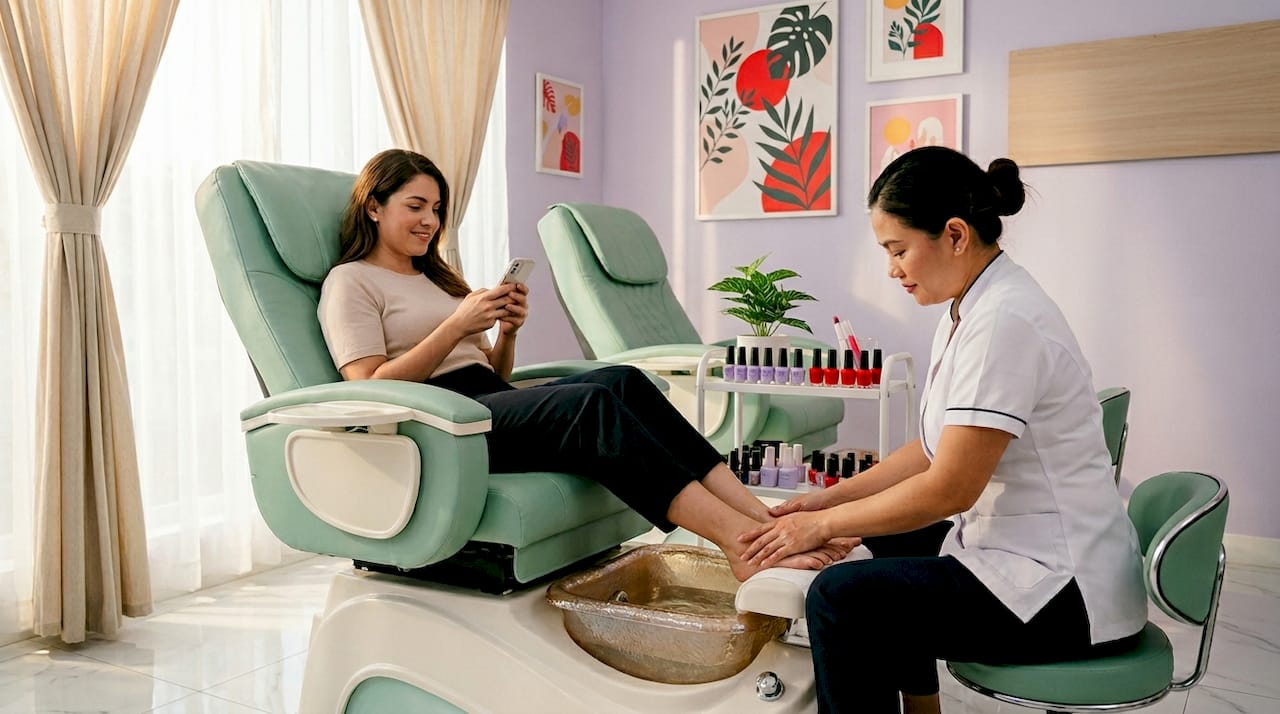
A spa pedicure goes far beyond a coat of polish and a quick nail trim. It’s a full therapeutic foot treatment, known in professional settings as a spa or luxury pedicure, designed to deeply care for your skin, relieve tension, and leave your feet genuinely transformed. If you’ve ever wondered what is a spa pedicure and why so many people swear by it, you’re about to find out exactly what happens from start to finish, what real benefits you can expect, and how to get the most out of every appointment.
Table of Contents
Key Takeaways
Point | Details |
More than nail care | A spa pedicure treats the skin, muscles, and nails through multiple therapeutic steps. |
Longer appointment | Expect 45 to 90 minutes for a complete spa pedicure experience. |
Real skin benefits | Deep exfoliation and moisturizing masks dramatically improve skin texture and hydration. |
Not one-size-fits-all | The term “spa” varies by salon, so always ask what specific steps are included. |
Safety matters | Certain health conditions, like diabetes, require modified soaking time and techniques. |
What a spa pedicure includes: step-by-step
Understanding the full spa pedicure process is the best way to know what you’re paying for and what to expect from a spa pedicure when you sit down in that chair.
A complete spa pedicure typically runs 45 to 90 minutes and moves through these stages:
Aromatic foot soak. Your feet are placed in a warm, often scented or salt-infused bath. This softens the skin and nails, making every step that follows more effective. Many salons add essential oils or mineral salts to the water.
Nail trimming and shaping. The technician clips, files, and shapes your nails to your preference. Straight edges with slightly rounded corners are generally recommended for preventing ingrown nails.
Cuticle care. Cuticles are softened by the soak, then gently pushed back or carefully trimmed. This step keeps the nail bed clean and tidy without causing irritation.
Exfoliation and callus work. A scrub or pumice stone removes dead skin cells from the heels, balls of the feet, and toes. Exfoliation improves skin texture and prepares the skin for the moisturizing steps ahead.
Hydrating mask or wrap. A conditioning mask is applied to the feet, sometimes followed by warm towel wraps or a paraffin dip. This step is one of the biggest differences between a spa treatment and a basic pedicure.
Extended foot and calf massage. This is where the relaxation truly kicks in. The massage works through the arch, heel, and up into the calf using lotion or warm oil. Foot massages reduce tension and support circulation beyond what aesthetic care alone can do.
Moisturizer application. A rich lotion or oil is worked into the skin after the massage, locking in hydration.
Polish application (optional). You can finish with a classic polish, gel, or no color at all. The treatment is complete with or without it.
Pro Tip: Book your spa pedicure at least a day after shaving your legs. Fresh razor nicks can sting during the soak and scrub steps, making the experience far less enjoyable.
Spa pedicure benefits: relaxation, skin health, and more
The spa pedicure benefits extend well past how your feet look when you leave the salon. This is where the investment in a longer appointment really pays off.
Skin texture and hydration. Hydrating masks and oils deeply moisturize dry feet, softening cuticles and reducing roughness that builds up over weeks of daily wear.
Callus reduction. Regular exfoliation prevents calluses from thickening to the point where they crack or become painful. It’s maintenance, not just cosmetic work.
Stress relief. The combination of warm water, scent, and massage signals your nervous system to slow down. Spa pedicures for relaxation are not a marketing gimmick. The sensory experience genuinely reduces tension.
Circulation support. Foot massage may improve circulation in the lower legs, which is particularly valuable for people who stand or sit for long periods throughout the day.
Long-term foot health. Catching issues like thickening nails, ingrown edges, or dry cracked skin early keeps small problems from becoming painful ones.
It’s worth knowing that many foot bath “detox” claims lack legitimate research backing. Think of the foot soak as a comfort and preparation step rather than a medical treatment. The real, evidence-supported benefits come from the massage, exfoliation, and moisturizing stages. For a deeper look at how regular treatments support your overall wellness, pedicure benefits explained covers the health and relaxation research in more detail.
Spa vs. regular pedicure: what’s actually different
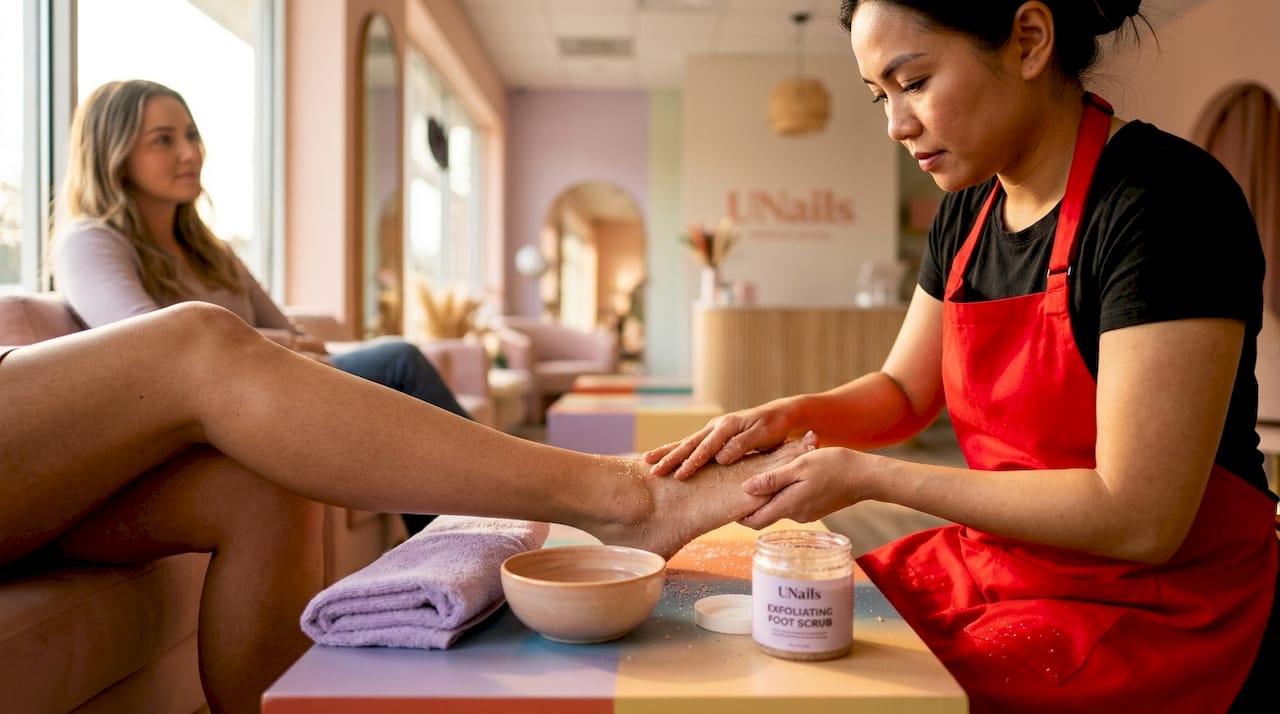
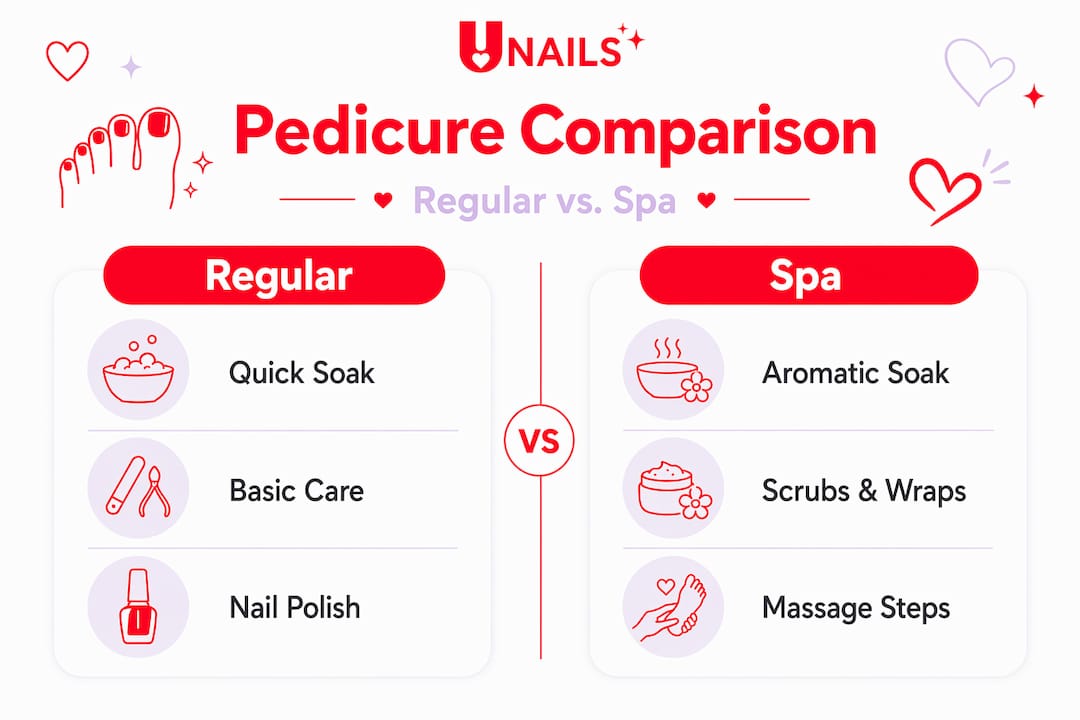
The difference between spa and regular pedicure services comes down to time, intensity, and skin focus. A standard or classic pedicure covers the basics: soak, nail trim, light buffing, and polish. That typically takes 30 to 45 minutes. It gets the job done for maintenance.
A spa pedicure adds layers that a regular one skips entirely.
Feature | Regular pedicure | Spa pedicure |
Foot soak | Plain warm water | Aromatic, mineral, or milk-infused soak |
Exfoliation | Basic buffing | Scrub plus pumice or chemical exfoliant |
Skin treatment | Light lotion | Hydrating mask, paraffin dip, or hot towel wrap |
Massage | Brief (2 to 5 min) | Extended foot and calf (10 to 20 min) |
Duration | 30 to 45 minutes | 45 to 90 minutes |
Primary focus | Nail appearance | Skin health and full relaxation |
Spa pedicures include extra luxuries like aromatic soaks, exfoliating scrubs, warm towel wraps, and extended massage steps that a basic appointment simply doesn’t offer. If your goal is a fast tidy-up before an event, a regular pedicure works fine. If you want real skin improvement and a genuine break from daily stress, the spa version is worth the extra time and cost.
Pro Tip: The word “spa” is not standardized across the industry. Always ask your salon to walk you through exactly what their spa pedicure includes before you book, especially if you have specific skin concerns like thick calluses or cracked heels.
Considerations and precautions for sensitive feet
Knowing how is a spa pedicure done is only half the picture. Knowing when to modify the experience is just as important for your safety and comfort.
Diabetes and circulation issues. Prolonged soaking can increase risk for people with diabetes or poor circulation by drying the skin or creating openings for infection. If this applies to you, get medical clearance before booking.
Short soak option. For diabetic clients who do get clearance, brief soaking of 5 to 10 minutes in plain lukewarm water is recommended. Ask your technician to skip the extended soak or opt for a dry pedicure format entirely.
Dry and skin-focused pedicures. Some modern approaches avoid soaking altogether in favor of dry hardware techniques that are gentler for sensitive or dry-prone skin. This is an increasingly popular option worth asking about.
Tell your technician everything. Open cuts, nail infections, skin conditions like psoriasis, or recent surgeries all affect what techniques are safe to use. A skilled technician will adapt the spa pedicure process to protect you.
Check the salon’s hygiene practices. Sterilized tools, single-use liners in foot baths, and fresh towels for each client are non-negotiable. For a full checklist, salon safety practices covers what to look for before you sit down.
Aggressive callus removal has limits. Soaking combined with aggressive callus work can be risky for vulnerable feet. If your calluses are severe, ask about a gentler multi-visit approach rather than trying to remove everything in one session.
Tips for getting the most from your appointment
Preparation makes a real difference between a good spa pedicure and a great one.
Schedule your appointment with enough lead time in your day to actually relax. Rushing in on your lunch break and rushing back out defeats the purpose of booking a 60-minute treatment in the first place. Many clients find that morning or late afternoon slots feel the least rushed.
Wear or bring open-toed shoes or flip-flops. Closed shoes immediately after a pedicure will smear polish and trap moisture against freshly treated skin, reducing the benefit of the moisturizing steps.
Communicate clearly about pressure during the massage. Some people want firm work through the arch; others prefer light touch. Speak up before the technician starts.
Mention any pain points, dry patches, or problem areas at the start of the appointment so the technician can focus accordingly.
Ask about the specific products used, especially if you have sensitivities to fragrances or certain ingredients.
Plan for regular visits. Most people see the best results from a luxury foot treatment every three to four weeks rather than occasional one-off appointments.
Pro Tip: Between appointments, apply a thick foot cream or shea butter to your heels before bed and wear cotton socks overnight. This simple habit extends the results of your spa pedicure significantly.
On the pricing side, spa pedicures typically run $10 to $30 more than a basic pedicure depending on the salon and region. That difference reflects real added time and product cost. When you factor in how long does a spa pedicure take, the 45 to 90 minutes of focused care, it’s one of the better value-for-time self-care investments available.
My honest take on spa pedicures and foot health
I’ve seen a lot of clients come in thinking a spa pedicure is just a fancier version of a regular one with a nicer chair. What surprises most of them is how much of the treatment is actually about the skin rather than the nails.
In my experience, the biggest misconception is that the foot soak is the most important part. It feels luxurious, but it’s really just preparation. The exfoliation, the mask, and especially the massage are where the real work happens. I’ve watched clients who came in with visibly cracked, dehydrated heels leave with noticeably softer skin after a single session. Not because of any magic ingredient in the soak, but because proper exfoliation followed by a quality hydrating mask actually changes the skin.
What I’ve learned is that customization matters more than the menu description. The term “spa” varies so much between salons that two places charging the same price can deliver very different experiences. The best results come from communicating openly with your technician before the service starts, not after.
My recommendation: treat your first spa pedicure as a conversation, not a passive experience. Tell the technician what’s bothering you about your feet. The results will be better every time you do.
— MinhHieu
Experience a real spa pedicure at TJ Nails in Bradenton
If you’re ready to move from reading about spa pedicures to actually experiencing one, Bradentonnails at TJ Nails Spa in Bradenton, FL makes it straightforward. The team here approaches each appointment with genuine attention to what your feet actually need, whether that’s focused callus work, deep hydration, or simply an hour of real relaxation without rushing you out the door.

Every spa pedicure at TJ Nails uses sterilized tools, fresh liners, and quality products tailored to your skin. The technicians take time to understand your preferences before they start, which is exactly what transforms a standard appointment into a treatment worth coming back for. Sunday hours mean you can book when it actually fits your schedule. Visit the nail salon services page to see what’s available and book your appointment online today.
FAQ
What is a spa pedicure exactly?
A spa pedicure is a professional foot care treatment that includes a foot soak, nail trimming, exfoliation, hydrating mask, extended massage, and optional polish. It typically lasts 45 to 90 minutes and focuses on both skin health and relaxation.
How long does a spa pedicure take?
Most spa pedicures take between 45 and 90 minutes, depending on the salon and specific services included. This is noticeably longer than a regular pedicure, which usually runs 30 to 45 minutes.
Is a spa pedicure safe for people with diabetes?
People with diabetes should consult their doctor before getting a spa pedicure. If cleared, a brief soak of 5 to 10 minutes in lukewarm water is recommended, and some clinics suggest a dry pedicure approach to reduce risk entirely.
How often should you get a spa pedicure?
Most people benefit from scheduling a spa pedicure every three to four weeks. This frequency keeps skin consistently hydrated, calluses managed, and nails in good shape without over-treating the feet.
What should you bring to a spa pedicure appointment?
Bring open-toed sandals or flip-flops to wear after the treatment so you don’t smudge polish or trap moisture against freshly moisturized skin. Also come prepared to communicate your preferences and any foot concerns to your technician before the session begins.
Recommended
Comments